Stop Fighting Bathroom Mold with a Scrub Brush
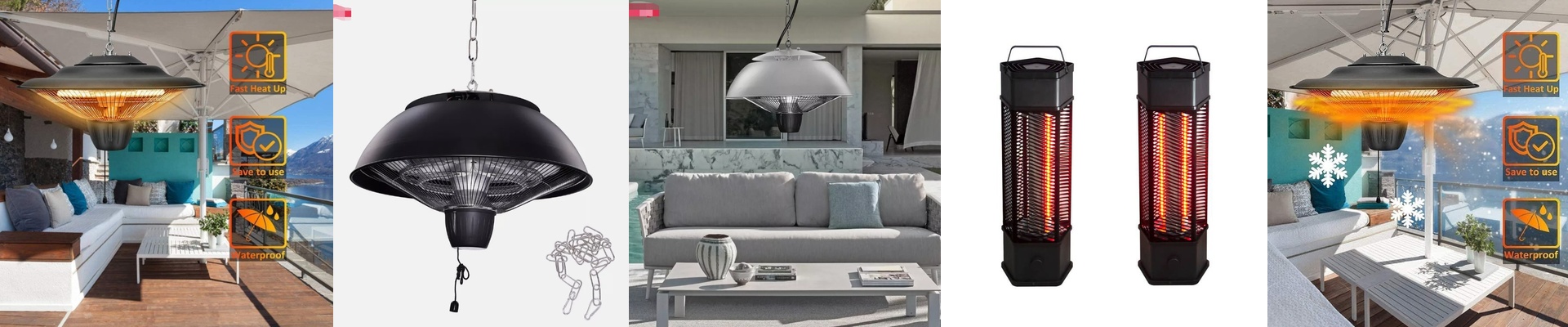
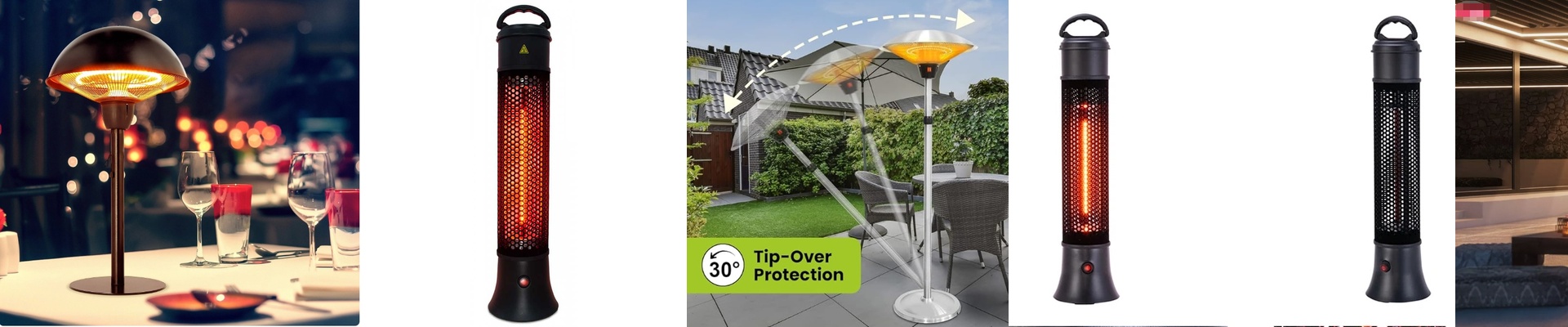
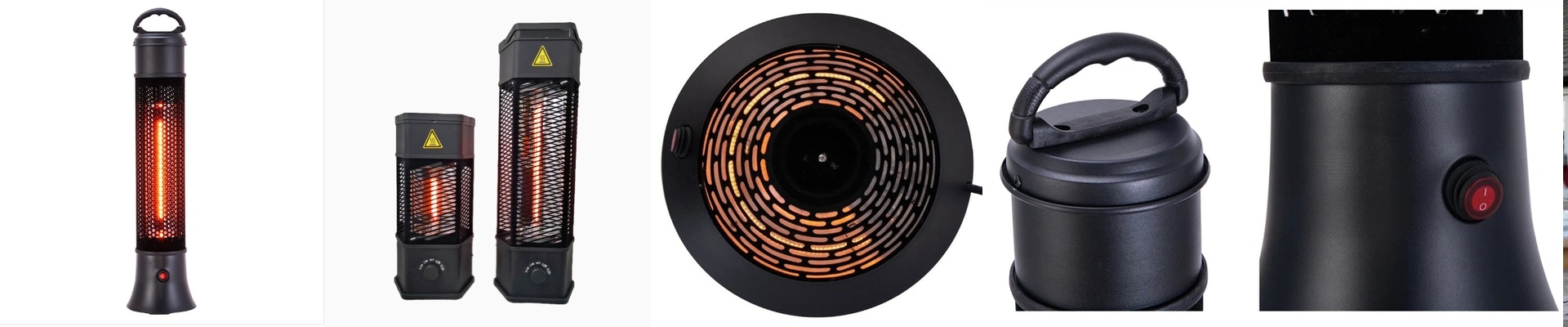
Most people see those bathroom heating lamps and think, “Oh, that’s just to keep me from shivering after a shower.” But there’s a lot more going on under the hood. From an engineering perspective, we aren’t just trying to warm up the air. We’re actually trying to kick the moisture out of the room. How it actually works Here’s the thing: these lamps use short-wave infrared radiation. Now, that sounds fancy, but all it really means is that instead of just heating the air around you, the heat goes straight into the wet stuff—your tiles, your grout, and your walls. It warms the surfaces themselves. When your walls stay warm, water can’t settle or condense on them. It just evaporates. Think about it. Mold loves those cold, damp, stagnant corners where water just sits. By drying out the actual “footprint” of the room, you’re basically making the bathroom a place where mold spores can’t survive. The tag-team approach These lamps aren’t meant to do all the heavy lifting alone. They work best when they’re teaming up with your exhaust fan. The IR lamp turns the liquid water on your walls into vapor, and then the fan whisks that vapor outside. Without that heat, the moisture just clings to the cold sealant in the corners, and that’s exactly how you end up with those annoying black streaks. Finding the sweet spot You might think, “Why not just use the most powerful lamp possible?” Well, we have to be careful there. If the wattage is too high for a small space, it gets uncomfortable fast. Nobody wants to feel like they’re standing under a heat lamp at a buffet. Plus, you don’t want to overheat the fixture itself. We spend a lot of time balancing the power so it’s hot enough to kill the mold, but gentle enough that you don’t feel like you’re being toasted. One quick tip: wire these up to a timer or a humidity sensor. That way, the lamps shut off once the room is dry, and you aren’t wasting electricity for no reason.