Why Your Bathroom Heater Keeps Dying (And How to Fix It)
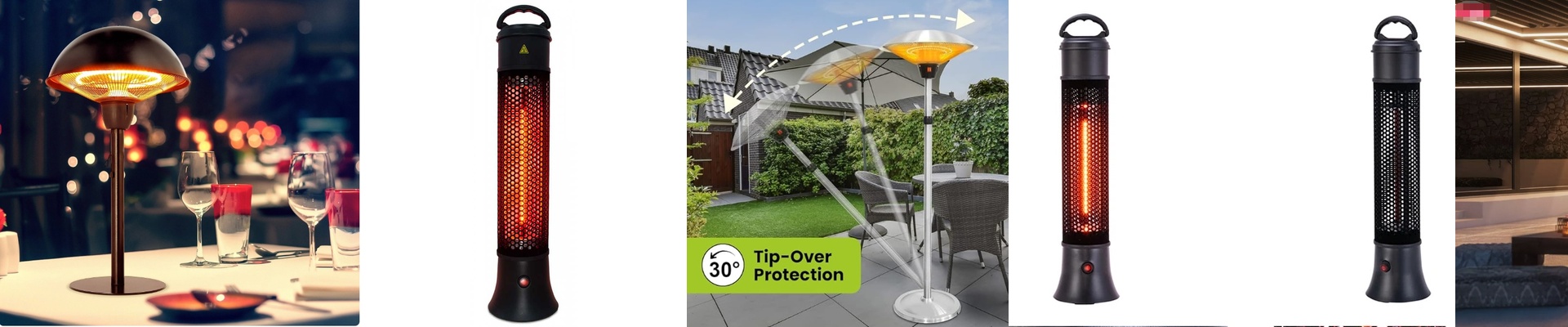
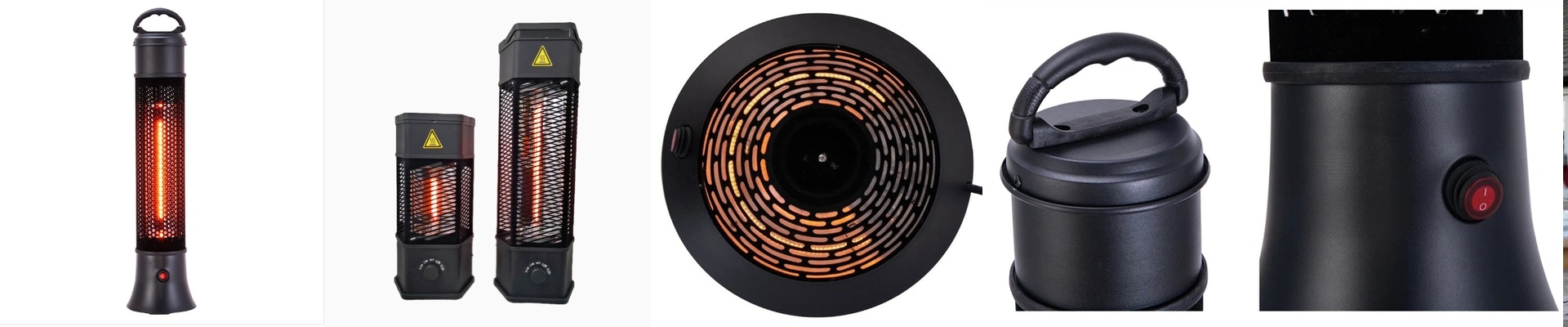
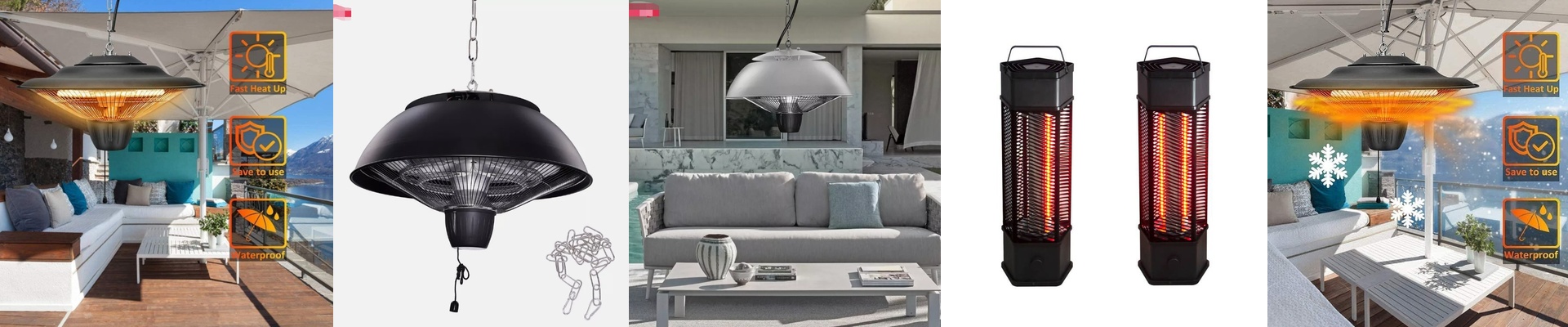
Ever noticed how those standard bathroom heat lamps always seem to burn out right when you actually need them? It’s not just bad luck. Most of them just aren’t built for the steam and humidity of a real bathroom. That’s why we’ve been moving toward IP65-rated infrared heaters. It sounds like a technical code, but here is what it actually means for you: they don’t freak out when they get wet. The battle against steam Think about your bathroom during a hot shower. Everything is damp. Standard heaters let that moisture sneak into the wiring, which eventually fries the electronics or causes a short. An IP65 seal basically locks the internals in a vault. It keeps the dust and water jets out, meaning the guts of the heater stay dry. No moisture, no corrosion, and no more replacing the same fixture every couple of years. Heat you can actually feel Here is the cool part about the physics. Old-school lamps try to heat up the air around you. That takes forever, and the heat just floats to the ceiling. Infrared is different. It sends out waves that hit your skin or the floor directly. It’s an instant warmth. We use short-wave elements because they pack a ton of heat into a tiny space. You step out of the shower and—boom—you’re warm. The “Gotchas” (What to watch out for) Now, it’s not all plug-and-play. You’ll want to double-check your breaker. These infrared units pull a decent amount of power. If you’re putting in a few of them, make sure your wiring is thick enough to handle the load. You don’t want your wires getting hot inside the walls. And a fair warning: the glass front getshot. Like, really hot. The inside is waterproof, but the surface can still burn you if you touch it. Just mount them high up on the wall or ceiling where nobody is going to accidentally lean against them. At the end of the day, these things just last longer. Because the filament is sealed away from the steam, it doesn’t oxidize and snap. It’s a simple swap that actually survives the environment it was built for.