


Let’s cut right to the chase
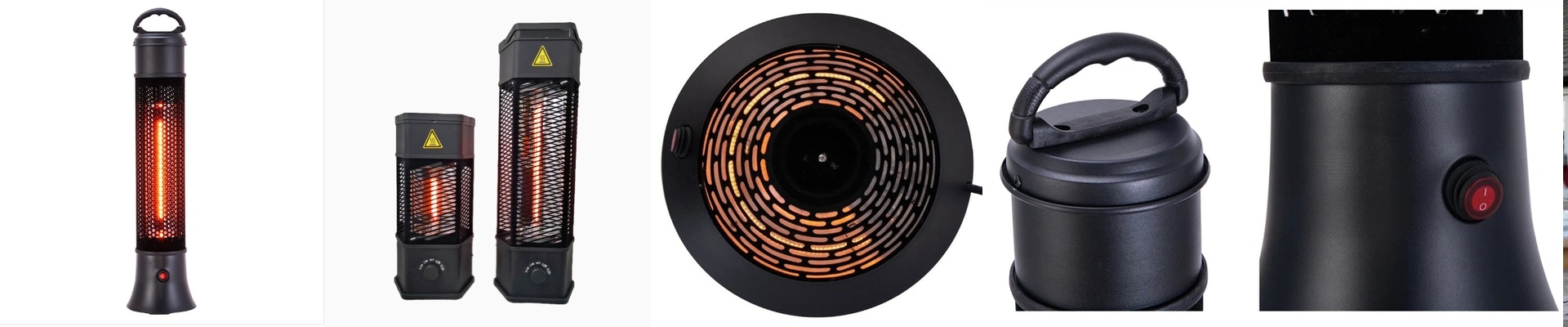
Here’s the hard truth about bathroom heaters: moisture and heat are a brutal combo. Together, they age wiring fast. When the seal around the power wire gives up, you don’t just get a nuisance—you’re staring down a short circuit. So we built our infrared heaters around one non-negotiable: afully sealed lead wire system. Because in a bathroom, safety isn’t something you hope for—it’s something you lock in.
The nitty-gritty: power, voltage, and why geometry matters
Bathroom heaters live on a tight thermal budget. We match the wattage and voltage to the heater’s length and your home’s circuit. When space is tight, you need high heat density, which means the wires inside carry a lot of current. That spot where the wire exits? It’s the most stressed joint in the whole unit. If the seal is weak, moisture creeps in. Then the heater cycles on and off, over and over, and the insulation starts to crack. Our OEM-grade seal keeps that joint rock-solid and bone-dry, even through years of heating up and cooling down.
Inside the build: quartz, tough coatings, and connectors that actually behave
The heating element sits inside a quartz tube. We chose quartz because it shrugs off thermal shock and stays stable when things get hot. We add a high-temperature coating to prevent hot spots and keep output steady. And the connector interface? It matters just as much as the tube. Whether it’s an R7s base or another high-temperature connector, it has to lock in place and stay sealed—even when there’s vibration and the parts expand and contract with heat. At the lead wire termination, we don’t rely on standard thermoplastic. We use compression seals and insulation rated well above the operating temperature. That’s how we stop insulation breakdown and prevent arcing at the joint.
Real bathrooms. Real reliability.
Bathrooms are tough on equipment. You’ve got humidity, sudden temperature swings, and enclosures that are often cramped. With OEM-level lead wire sealing, you can wire the heater into a standard bathroom circuit without having to redesign the junction box for extra protection. Yes, higher heat density means you have to pay attention to the mounting area and make sure airflow and heat rejection are handled. But if you spec the heater correctly and follow the clearance requirements, the sealed lead system pays you back in a big way: fewer field failures, fewer service calls, and a heater that doesn’t burn out way before its time.