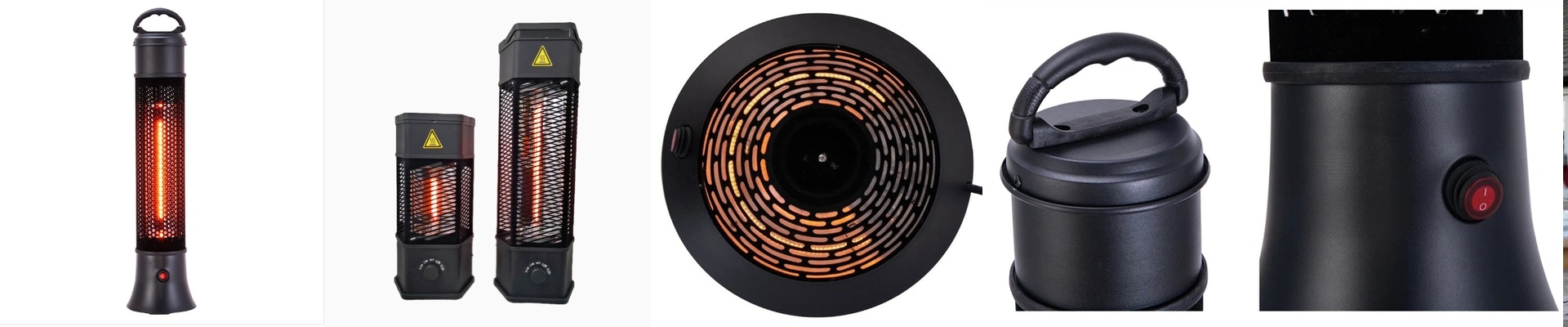
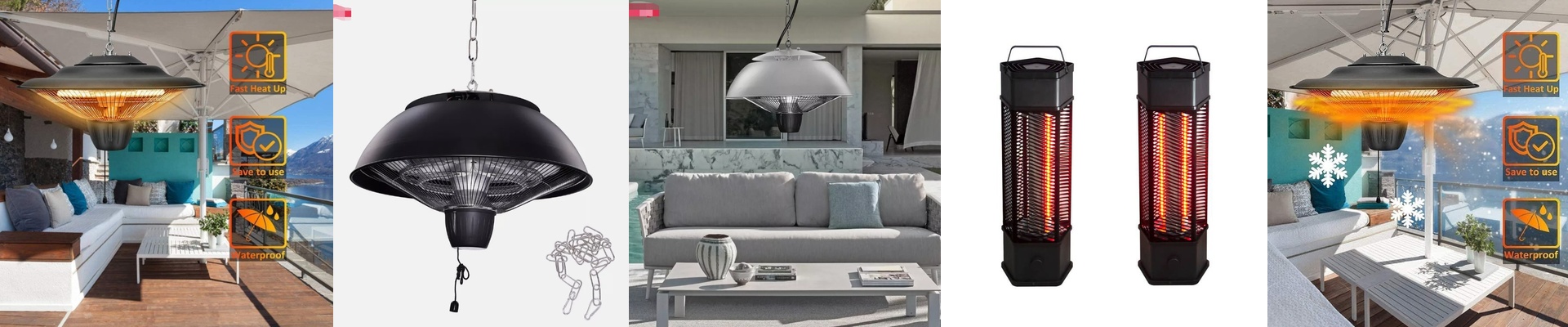
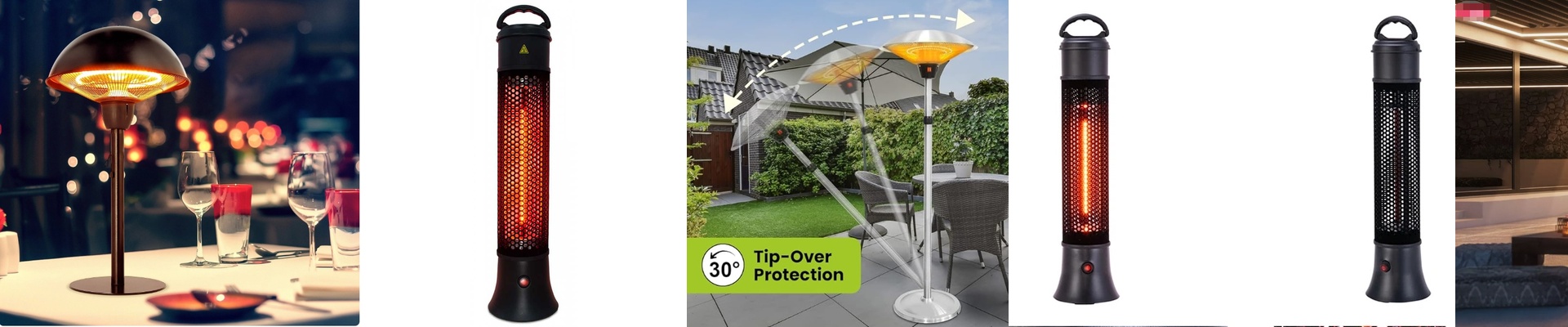
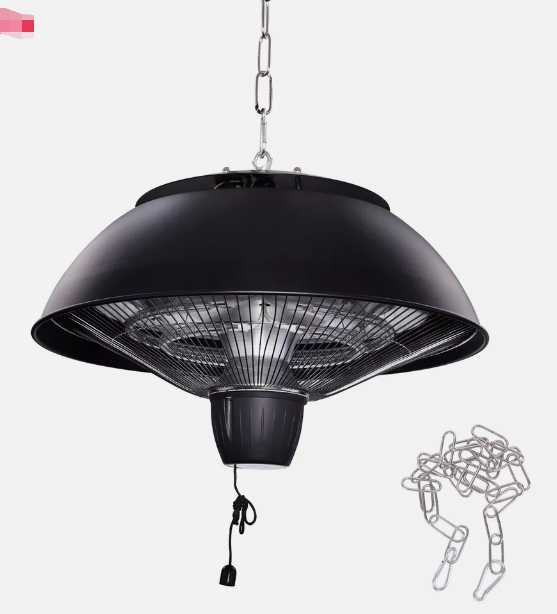
Walk any trade floor or warehouse in winter and you see the same story play out: heaters stacked high, all promising warmth, yet what you get is patchy comfort, short service life, and spec sheets that never quite match the real-world performance. In a market crowded with look-alike units, the one decision that actually protects your budget, your people, and your schedule comes down to a single mark —CE certification on the infrared heater you pick. What actually matters under the hood Infrared warmth is radiant heat, plain and simple — it doesn’t move air. Inside a CE-certified unit, a quartz tube or a carbon fiber element turns electricity into targeted heat that travels outward fast, warming people, tools, and surfaces first. That’s why you feel the heat within seconds, not minutes. The CE mark means the heater has cleared harmonized European standards for electrical safety, thermal protection, and build quality — including an overheat cut-off and a stand that stays stable. In practice, that translates to wattage you can count on, consistent output, and components that survive day after day of on/off cycles. Why this works in the real world On a workshop floor or in a drafty warehouse, comfort isn’t a perk — it’s output. Radiant infrared keeps workers warm even when doors keep opening and closing, so attention stays on the job, not on chasing the thermostat. Because the heat is directional, energy goes where it’s needed, which often means lower running costs than convection-only heaters that warm air that immediately escapes. CE certification also clears up procurement: compliance checks are simpler, liability risk is easier to manage, and purchasing stays clean across multiple sites. A few practical notes from the trenches Infrared heat hits fast, but it doesn’t heat the air. In the coldest stretches, pair the unit with gentle background air movement for full comfort. Clearances matter, and placement needs to be chosen so people and materials get direct coverage. Most models are electric, so a dedicated circuit and stable voltage keep performance steady. When you buy CE-certified infrared, you’re buying fewer headaches — and warmer days that show up when you need them.