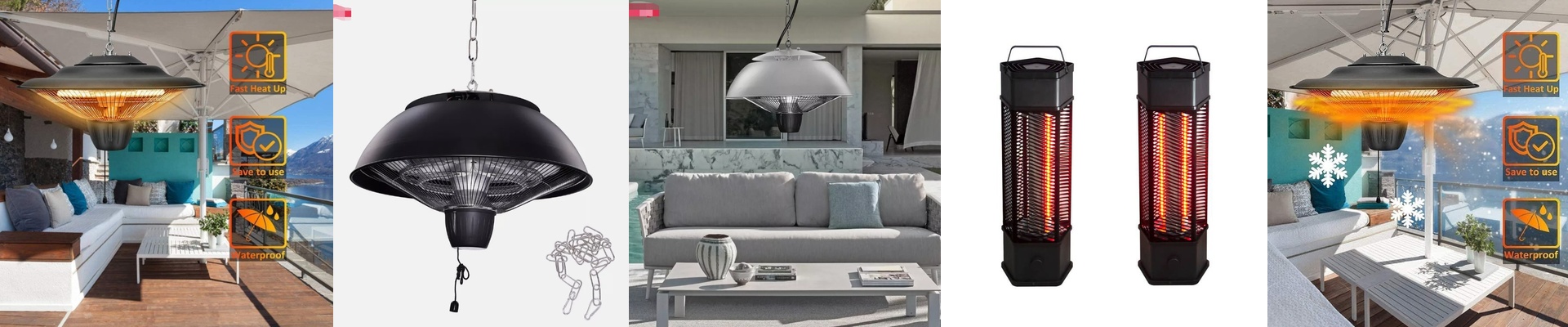
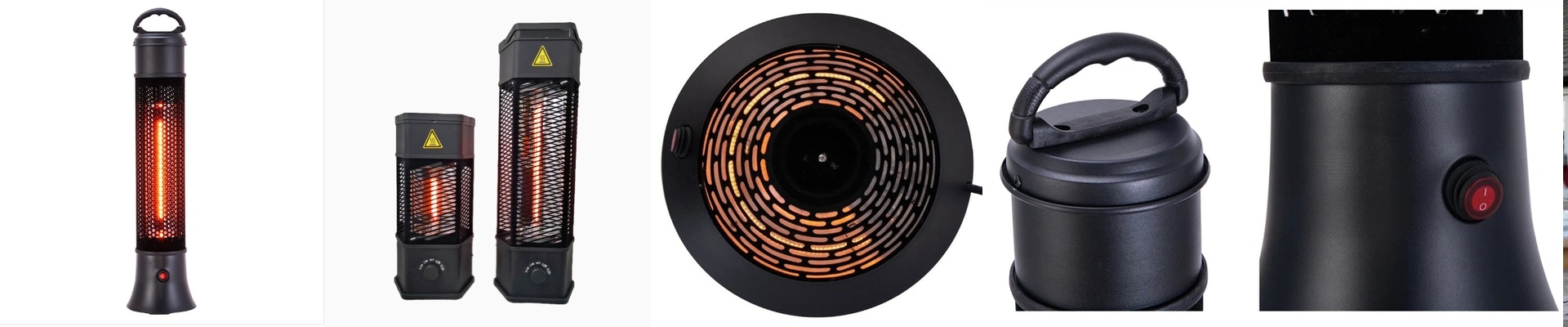
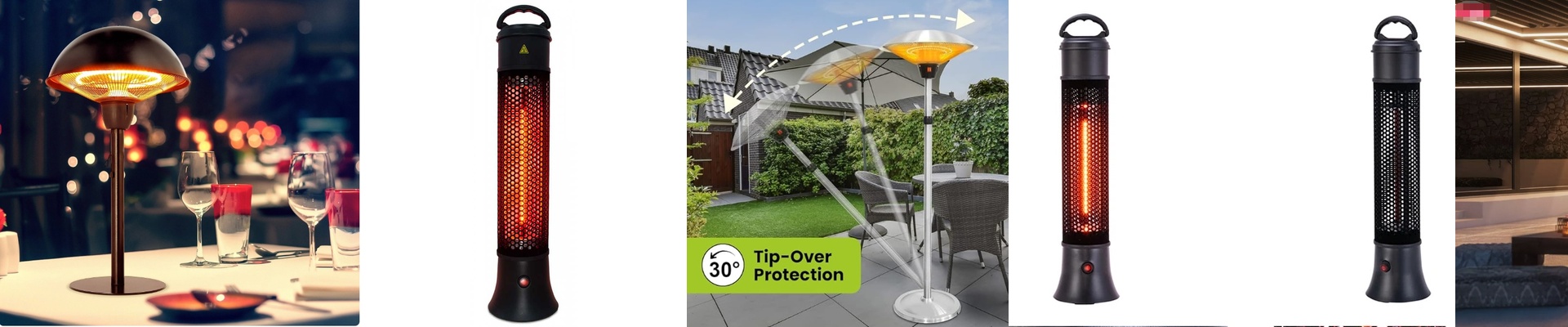
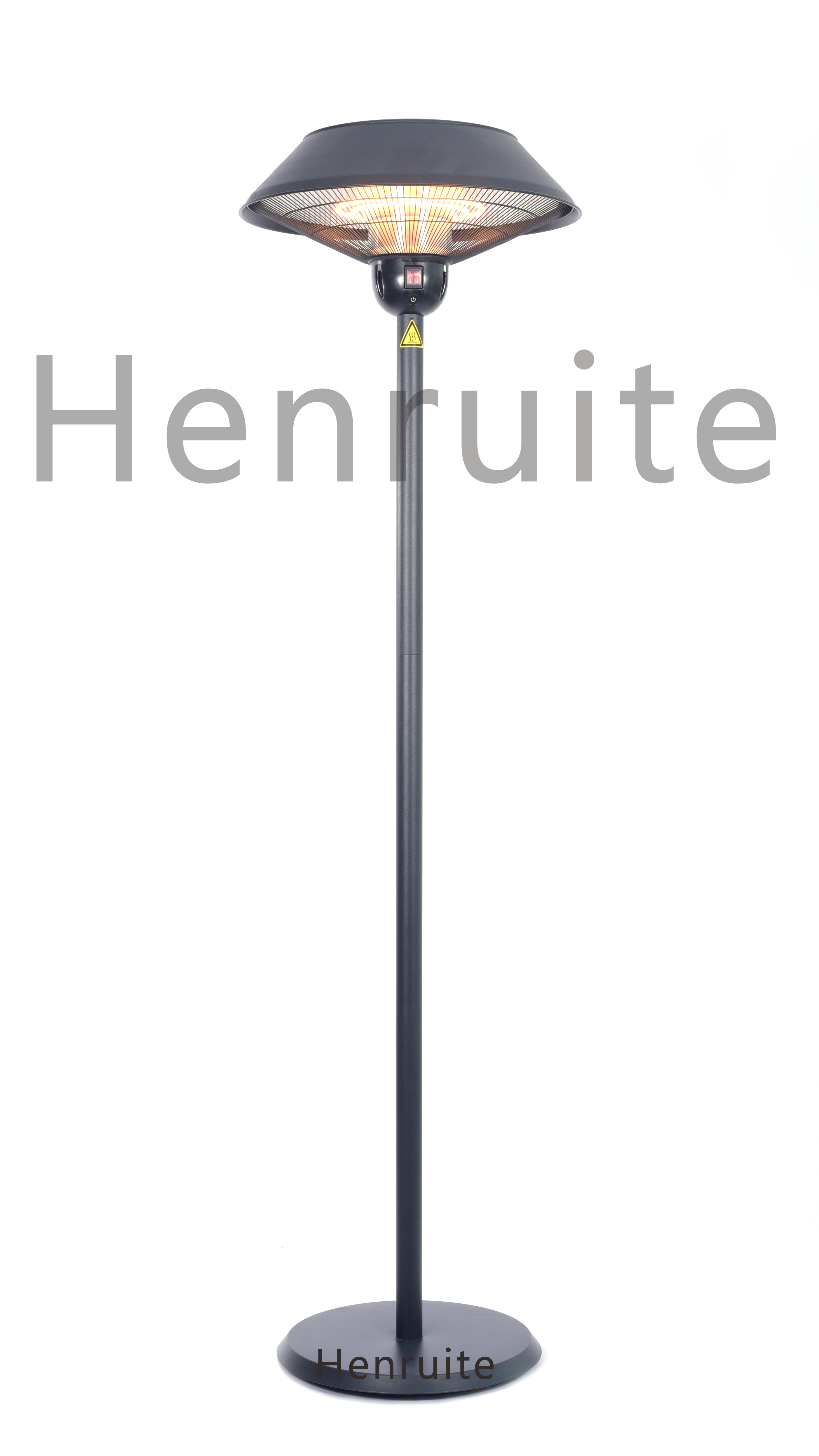
The outdoor heating market is packed, and too many units are built to a price, not a standard. When you’re ordering in bulk, a cheap patio heater that folds mid-season doesn’t just cost you downtime—it burns trust and ends up costing way more than whatever you thought you saved. That’s why we stick with CE-certified infrared electric heaters—engineered to clear tough testing and then keep running, shift after shift. What matters under the hood We build our infrared electric heaters around a carbon fiber element. It throws steady radiant heat, lights up fast, and doesn’t churn the air like forced-air units. The CE mark means the heater meets EU safety, health, and environmental requirements, with documented conformity and traceable quality controls. In day-to-day use, you get consistent output across duty cycles, dependable thermostat control, and protections like tip-over cutoff. Specs stay practical: 230V, IP-rated housings for outdoor use, and standardized connectors that make wiring and replacement straightforward. Why this is the right fit in the real world When you’re heating a venue, a workshop, or a rental fleet, consistency is the only currency that counts. CE certification cuts down on field failures, returns, and compliance headaches. Infrared warmth targets people and objects directly, so comfort lands fast—even when the breeze picks up. Energy use stays focused, and because the core components are built for continuous cycling, you spend less time on service calls and more time keeping customers warm. What to watch on install and in the field CE-certified design is a strong start, but performance still depends on doing the basics right. Run the heater on a dedicated circuit that matches its rated load, and double-check local electrical codes for outdoor installations. Keep clearances open around the unit, and keep the infrared element clean so output stays steady. In very wet conditions, confirm the IP rating actually covers the exposure you’re dealing with—no heater is invincible against direct, prolonged water ingress. Place the unit to avoid glare and hot spots, and you’ll get the comfort, safety, and uptime you need.