
The platform catches a cold draft every time the next train rolls in. At the outdoor cafe, guests clutch hot drinks and still shiver, while staff just keep piling on layers. In these transit and commercial spots, comfort isn’t a perk—it’s what keeps people moving and spending. When the heating is slow or patchy, lines back up, turnover dips, and the whole space feels uninviting.
What matters, technically
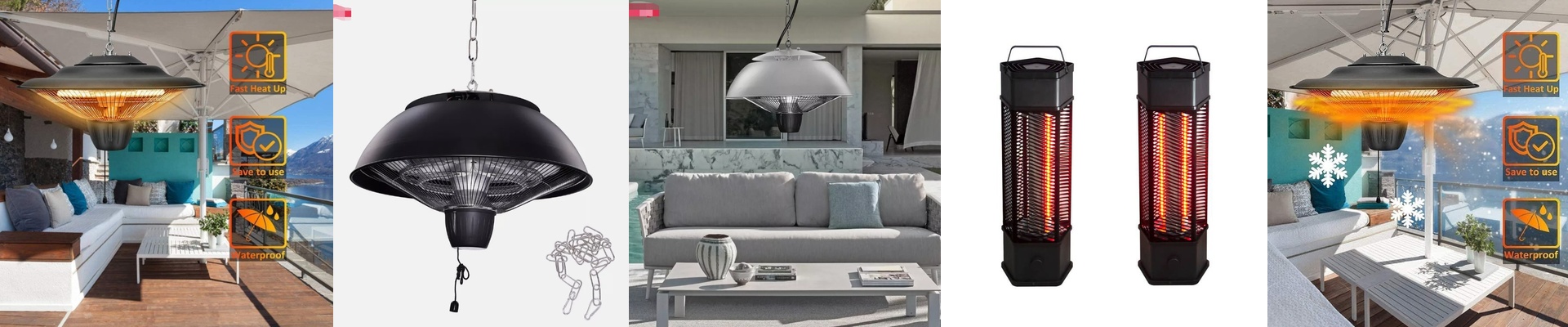
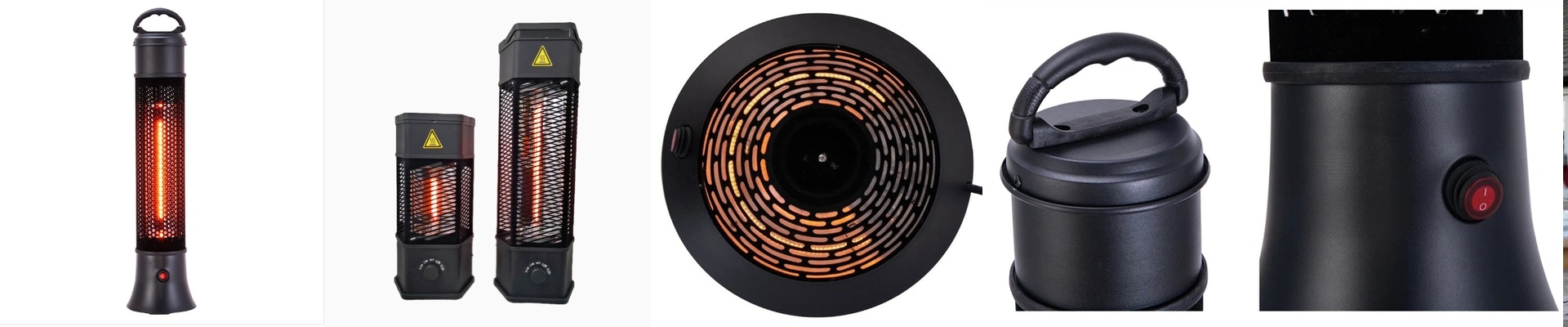
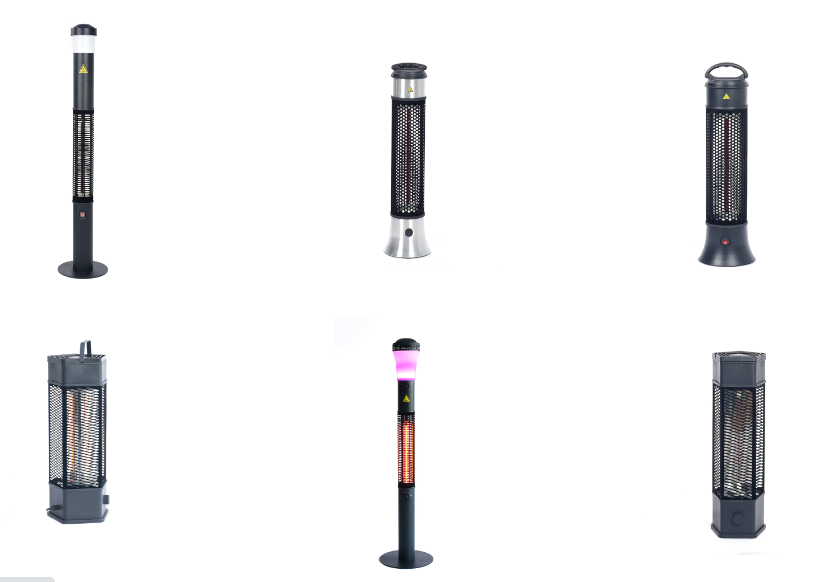
We built our carbon crystal heater around a high-purity carbon fiber element that throws infrared warmth the second it’s switched on. Instead of warming air first like convection units, it delivers radiant heat that goes straight to people, tables, and floors, so the felt temperature climbs within seconds. Typical models run on standard 220–240 V circuits and pull 1.5–2.5 kW—enough to cover compact to mid-sized zones without tripping common electrical layouts. A built-in thermostat holds output steady, and tip-over protection plus an IP rating for outdoor use help keep things safe in public areas.
Why it fits these spaces
Train stations and airports run on pause, wait, and move—heating has to keep up with that rhythm. The carbon crystal heater comes up fast, so waiting areas feel usable even during short lulls. For outdoor cafes and covered transit stops, the focused radiant heat doesn’t vanish into open space; it lands where you need it, keeping guests comfortable without trying to heat the whole sky. The payoff is steadier customer flow, fewer draft complaints, and staff who can work without bundling up. Energy use stays focused, too, because you’re not fighting to warm air that immediately escapes.
The practical stuff
Placement is half the job. Infrared warmth spreads in a pattern, so aim the unit to hit seating lines and walkways directly. In high-traffic spots, plan for dedicated circuits—peak hours can otherwise trip breakers. And while radiant heat feels immediate, it won’t fully beat severe wind chill on fully exposed sites. Pair units with wind screens or partial enclosures, and comfort holds up in the coldest months.