

Why IP55 Infrared Heaters Are Taking Over Bathroom Renovations
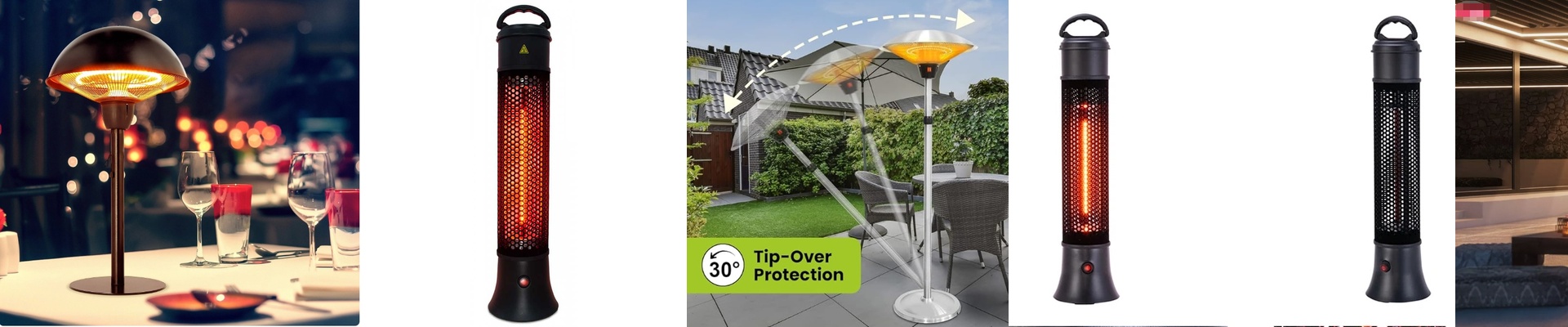
Here’s what’s happening in modern bathroom upgrades: IP55-rated infrared heaters are quietly replacing those old lamp-style heaters. And honestly, it makes perfect sense. Traditional bulb heaters just weren’t cut out for the job. They struggle with moisture, and the heat never feels even. An IP55 infrared unit? It’s built for steamy rooms and delivers that warm, targeted glow you actually want.
The Power Behind the Warmth
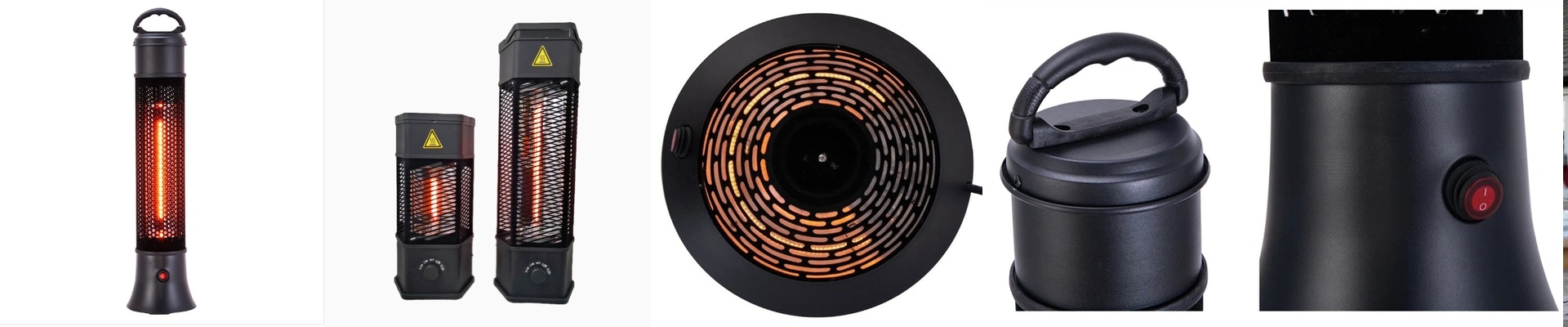
Infrared tube heaters pack a lot of heat into a small space. They’re designed to run on standard mains voltage—usually 220-240V—so your wiring stays simple. No need for heavy transformers. The wattage and tube length are matched up, like a 2500W unit over a specific length, to hit the right output without pushing the element too hard. This keeps the heater compact enough to fit in tight spots, while still radiating enough warmth to warm people and surfaces directly—not just the air.
Built to Last: The Inside Story
The heart of the heater is a quartz envelope. Why? Because it can handle heating up and cooling down quickly without cracking. Inside, a halogen filament produces shortwave infrared, so you get fast, focused warmth. A reflective coating on the inside directs more energy forward, so you get more usable heat and less wasted radiation. And the connector? It’s the R7s two-pin design. It’s proven, makes installation a drop-in job, and holds up better to vibration than those fragile cap fittings.
Real-World Benefits for the People Installing Them
In a bathroom, that IP55 seal keeps water jets out from every angle. No short circuits. No corrosion. Just a heater that can take the steam and keep working. For engineers, that means fewer callbacks, faster installs, and predictable performance. Just remember, because it runs hot, you need to plan for proper ambient cooling and thermal management in the enclosure. Give it the right ventilation and mounting clearance, and it’ll run reliably, cycle after cycle.