Introduction
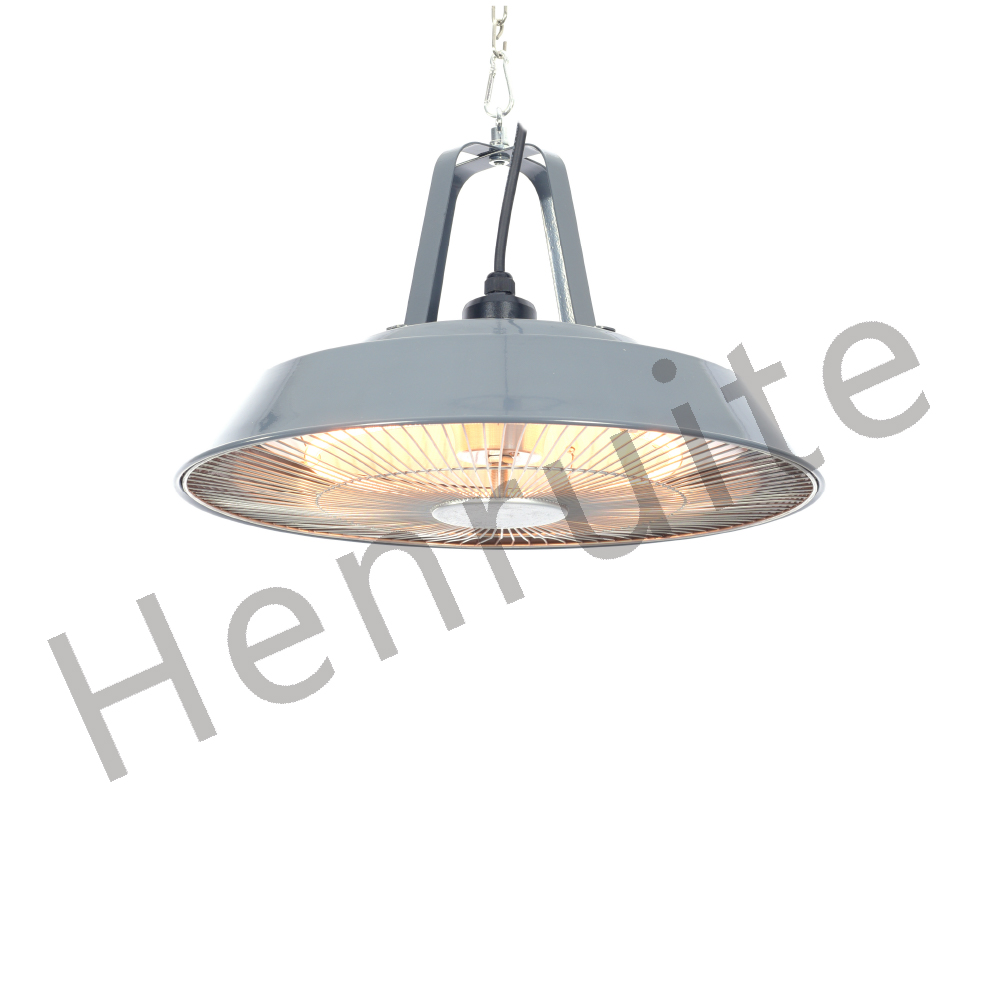
Let’s get straight to it. We built these ceiling-mounted infrared heaters for one place: the bathroom. Because in there, keeping things dry isn’t a luxury—it’s a must. This isn’t just a space heater. It’s a focused drying tool. It uses infrared energy to stop moisture from clinging to surfaces and hanging in the air. And that’s exactly how you cut off mold before it even gets a foothold.
Power, Voltage, and a Small Footprint
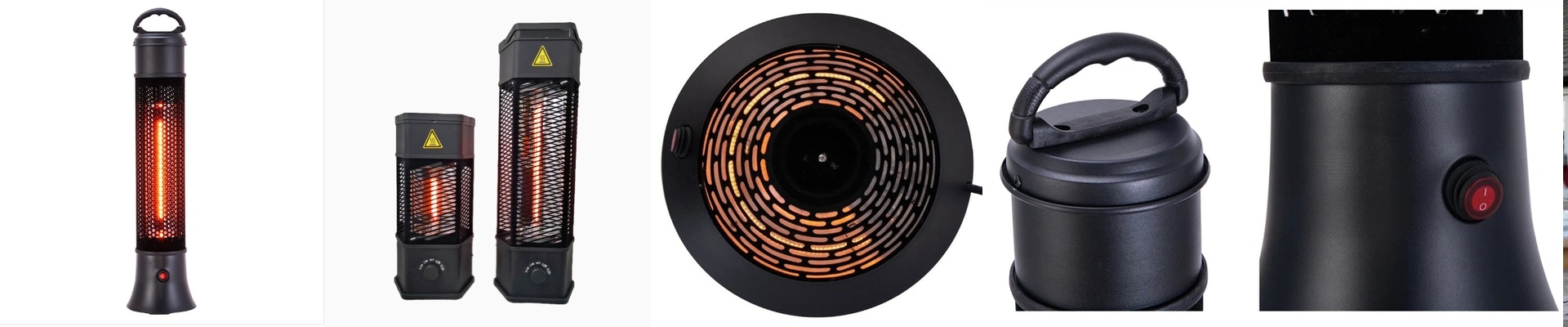
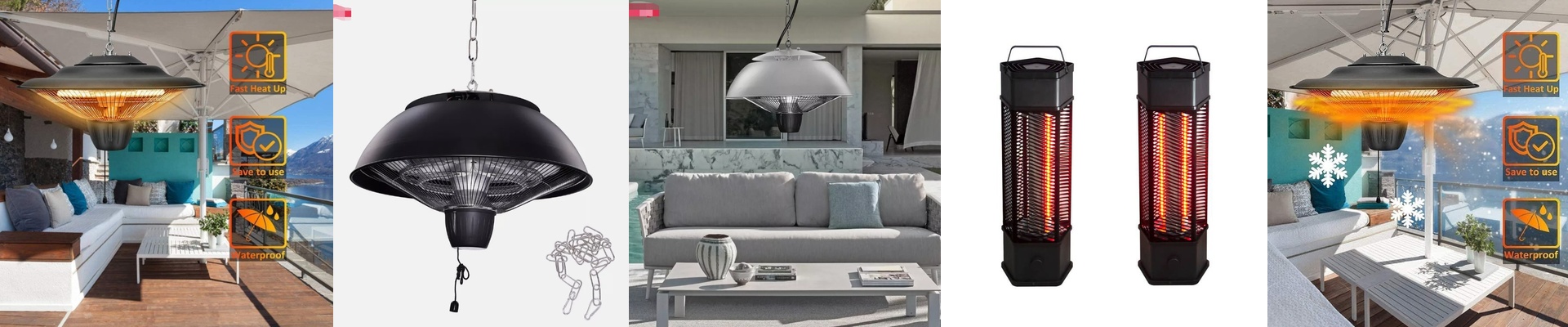
Here’s the thing about these units. They’re all about direct, radiant heat. The kind that hits surfaces immediately, not the kind that slowly warms the air. They’re designed to run on either 220–240V or 400V, with wattage that you can match to the size of your room and how high your ceiling is. And the design? It’s intentionally compact. The tubes are often around 300mm long, so the whole unit takes up minimal space. You can mount it right where you need it, without making your ceiling feel crowded. We chose high voltage and focused wattage because they deliver the kind of heat density that dries surfaces fast. But there’s a trade-off. That level of power will raise the local temperature, so you’ll want to make sure your ventilation and controls are up to the task.
The Materials That Make It Work
At the heart of it is a quartz infrared tube. We went with quartz because it handles rapid heating and cooling without breaking down, and it’s excellent at sending out infrared energy. Many versions also have a reflective coating on the inside. That simple addition directs more of the heat downward, where you need it. It means less wasted energy and keeps the fixture itself from getting too hot. For the actual hookup, we use an R7s base. It’s a reliable, two-contact connection that’s common for linear lamps. This makes wiring the heater a straightforward job—it can drop right into existing fixtures or a custom mount with minimal fuss.
How It Actually Stops Mold
Mold loves two things: wet surfaces and humid, stagnant air. This heater tackles both at once. The infrared energy goes straight to your tiles, walls, and fixtures, warming them up and speeding up evaporation. Because it uses shortwave and near-infrared, it heats surfaces far faster than a regular heater that just warms the air. That’s how you cut down on condensation. And it helps your other equipment, too. When surfaces stay warm, less moisture evaporates back into the air after a shower. That means your exhaust fan or dehumidifier doesn’t have to work as hard. The result is simple. Your bathroom dries faster, right down to the surfaces. And that leaves mold with nowhere to grow.