Why Most Bathroom Heaters Fail (and How We Fixed It)
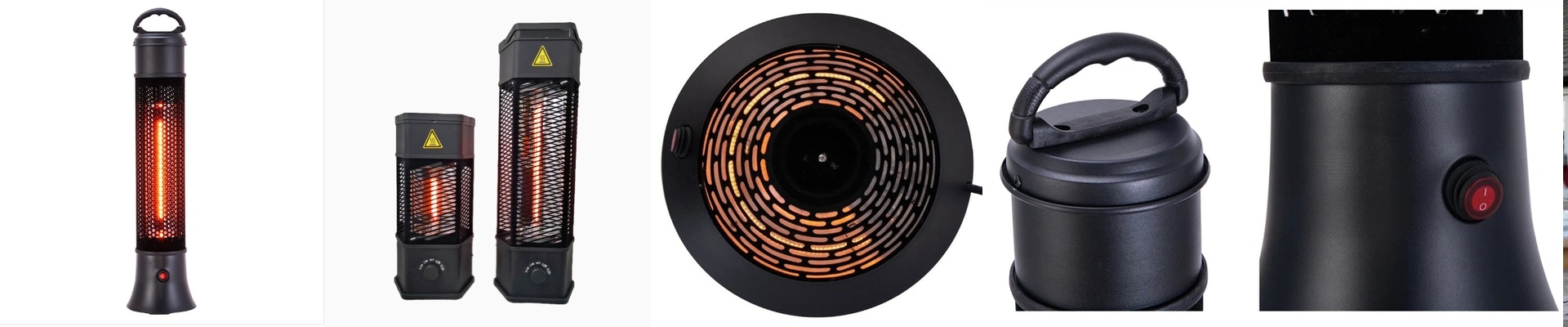
Bathrooms are a nightmare for electronics. You’ve got thick steam, random water splashes, and temperature swings that would make a thermometer dizzy. Most heaters just can’t hack it. The biggest problem? The glass. When a tiny, cold drop of water hits a heating element that’s sitting at 600°C, the glass panics. It shrinks too fast in one spot, and pop—the whole thing shatters. We don’t use standard glass. We use high-purity quartz. Here’s the thing: quartz doesn’t freak out when the temperature changes. It stays stable. By using specialized quartz and adding an explosion-proof layer, we’ve made sure the heater can take a beating from the humidity without breaking its seal. It just keeps working. About that instant heat… We use shortwave infrared because nobody wants to wait ten minutes to feel warm while they’re shivering in a towel. It’s instant. But because these are tucked away in your ceiling, all that power is concentrated in a small space. That puts a lot of pressure on your wiring. Just a heads-up: make sure your circuit breakers can handle the initial surge when you flip the switch, or you’ll be spending your morning resetting the power box. Keeping it simple We put everything in a recessed housing to keep the guts of the machine safe from accidental bumps. One big tip for installation: get that seal between the chassis and your ceiling tight. Really tight. If steam sneaks into the electrical housing, your terminals will start to corrode, and that’s a headache you don’t want. And look, let’s be real. These tubes don’t last forever. Eventually, they’ll burn out. Instead of making you tear your entire ceiling apart to fix it, we designed them as drop-in replacements. When the time comes, you just swap the element and you’re back to a warm bathroom in minutes.