
Getting the Heat Right in Bathrooms and Nurseries
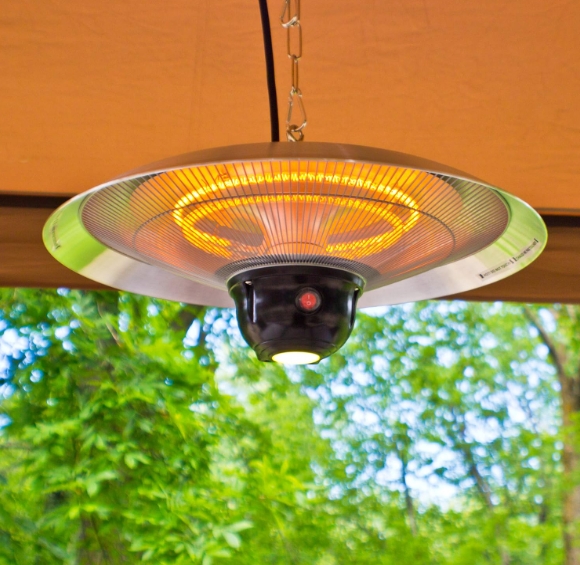
When you’re putting an infrared lamp in a place like a nursery or a bathroom, you can’t just blast heat and call it a day. It’s not about raw power. It’s about being gentle. Standard short-wave IR is just too aggressive. If you’re dealing with a baby’s sensitive skin or someone’s eyes, that kind of intensity can actually be irritating or even stressful on the retina. So, we change how the light behaves. Keeping eyes safe We use special coatings or doped quartz glass to act as a filter. This knocks out the harmful UV rays and that harsh, blinding visible light. The trick is shifting the energy toward the long-wave or far-infrared spectrum. It’s basic physics, really. We tune the lamp so the heat sinks into the skin where it’s wanted, rather than hitting the lens of the eye. You get the warmth without the glare. Smart distribution Then there’s the housing. We don’t want “hotspots”—those annoying patches where it feels like you’re being burned in one spot while the rest of you is cold. We use reflective alloys that push the IR energy straight down and shield the sides. It’s not about pumping out more wattage; it’s about controlling exactly where that beam goes. The trade-offs Here’s the honest part: filtered lamps aren’t as “bright” as clear halogen tubes. You get less visible light, which is exactly what we want here, but it does mean they take a bit longer to warm up to a steady temperature. A couple of practical tips: make sure your wiring can handle the initial surge of power when you flip the switch so you don’t trip a breaker. And please, don’t over-spec the wattage in a tiny space. Even with the best filters, too much heat in a small box will overheat the fixture. Just keep your ventilation clear. No one wants heat soaking into the ceiling.