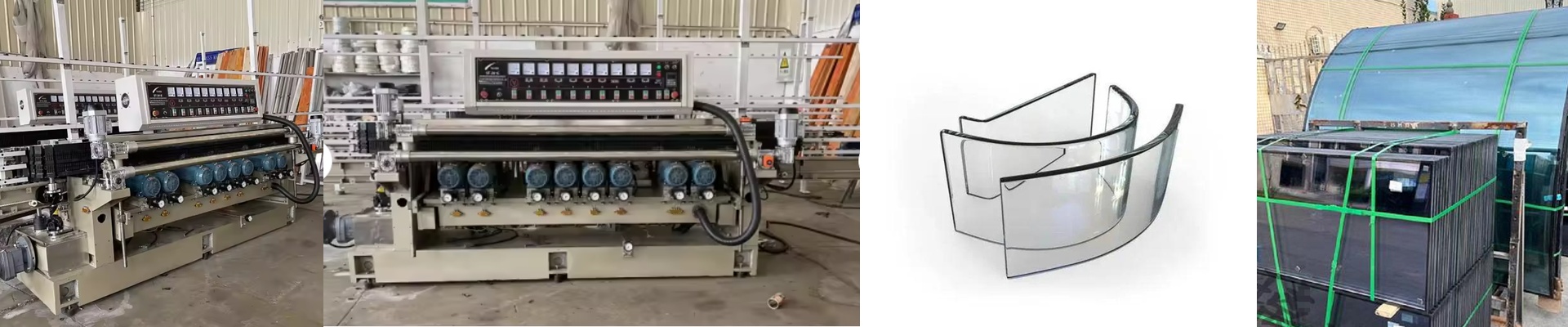

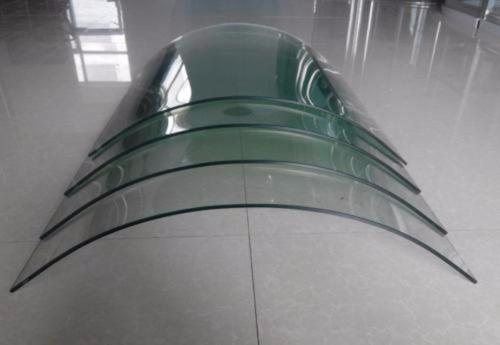
Stop the Chipping: Why We Preheat Glass with Infrared
Cutting cold glass is basically a gamble. You score the sheet, you hope for the best, and then you pray you don’t see those jagged micro-cracks or a messy corner breakout when you finally make the break. It’s frustrating, and it wastes material. That’s why we use infrared (IR) preheating. We get the glass warm before the blade even touches it.
Why the heat matters
Think of it as relaxing the material. IR lamps don’t just warm the surface; they get deep into the glass and shake up the molecular structure. This lowers the internal tension and makes the glass a bit more “giving.” When you score preheated glass, the crack actually behaves. It follows a straight line instead of jumping around erratically. The result? A crisp, clean break every time.
Getting the gear right
To actually make this work, you can’t just use any old bulb. You need high-intensity shortwave IR lamps. We stick with high-purity quartz tubes because they can handle the brutal cycle of heating up and cooling down without snapping. If you’re running a fast line, speed is everything. You need high wattage density to hit your target temperature in a matter of seconds. But here’s the catch: you have to be precise. Your lamp length and voltage need to fit your rail footprint perfectly. If you’re replacing a burnt-out tube,get the exact same wattage. Go too high, and you’ll overheat the glass until it bows. Go too low, and the glass stays cold, meaning those annoying chips are coming right back.
A few things to watch out for
Quartz tubes are tough, but they aren’t invincible. In a busy shop, dust and oil splashes are your worst enemies. They create “hot spots” on the tube, which is usually how they fail. Keep them clean. Seriously. And one last thing—keep an eye on your fans. More heat means your cooling system has to work harder. If your ventilation can’t keep up with the output, you’re going to cook your electrical housing, and that’s a headache nobody wants.