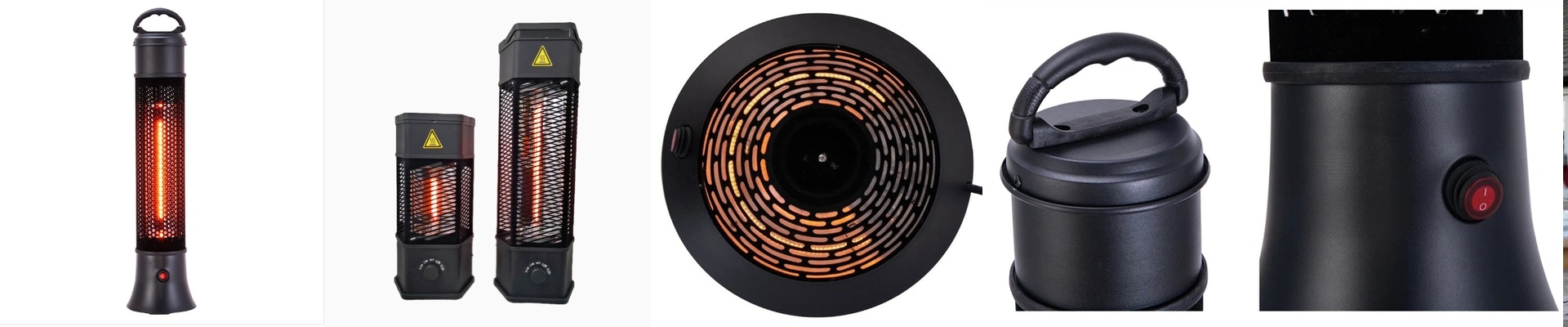
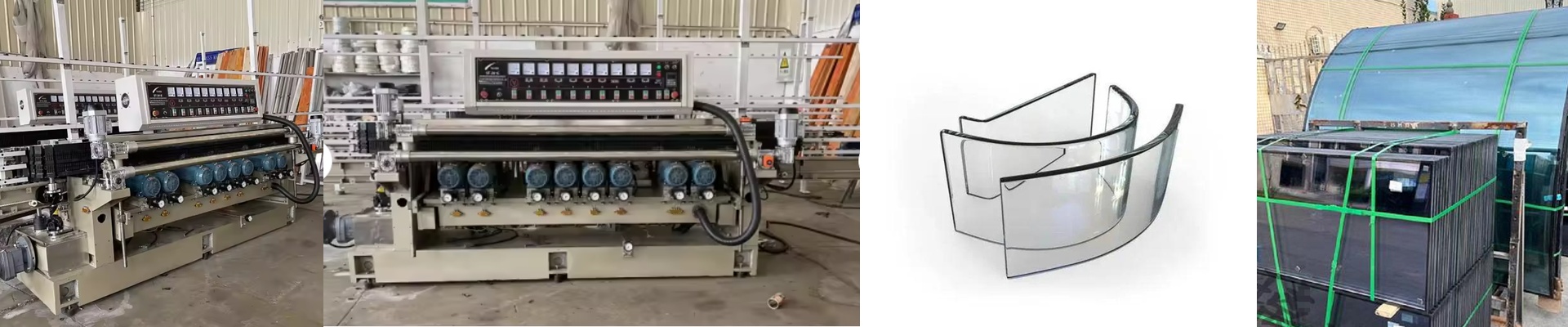
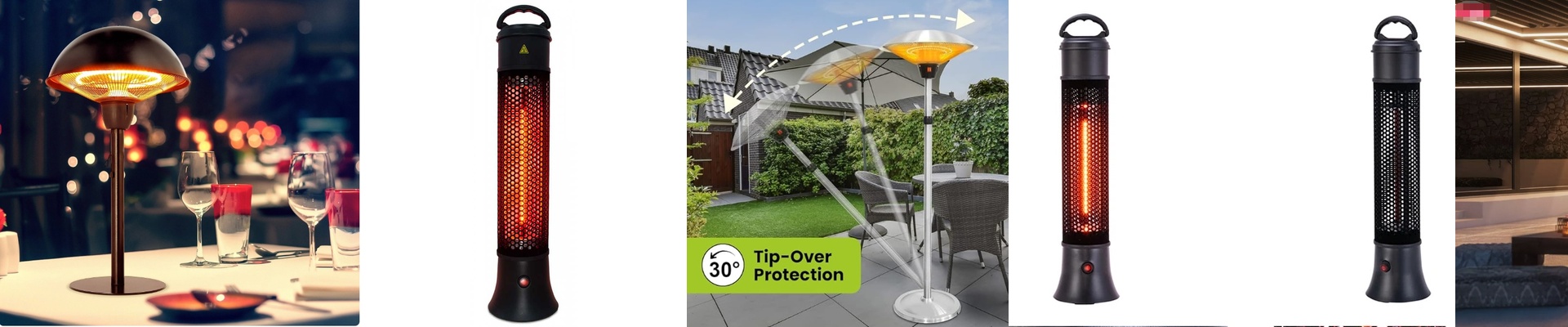

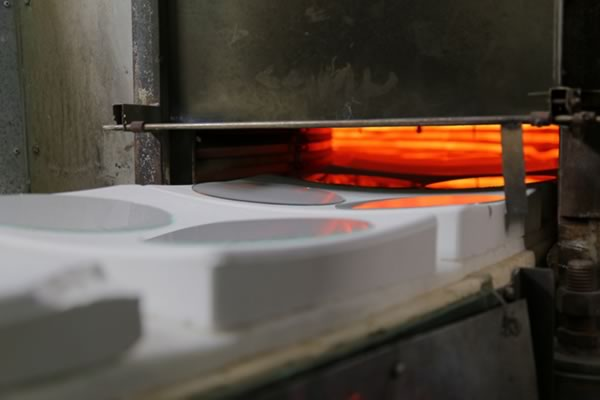
Cutting through ultra-thick glass is a nightmare for your equipment. If you try to score a heavy slab cold, your cutting wheels take a massive beating. They chip fast, they wear out even faster, and you spend way too much time swapping them out. We found a better way: we use shortwave infrared (IR) lamps to warm up the glass right where the cut happens. It completely changes how the material reacts. Here’s the thing about thick glass—it’s a heat sink. If you use a standard heater, you’re just warming the surface, which does absolutely nothing for the core of a 20mm or 30mm slab. That’s why we use shortwave IR. The wavelength actually digs deep into the silica. It doesn’t melt the glass. That would be a disaster. Instead, it just makes the material a bit more forgiving. The wheel stops grinding and starts gliding. But you have to be careful with the setup. High-wattage quartz tubes get incredibly hot. If you just wire them up and walk away without a solid cooling plan for the housing, you’re going to warp your brackets or fry your connectors. We also suggest using a focused reflector. You want that beam pinned exactly on the score line. If the heat spreads too far, the rest of the plate expands, and that’s when things get messy. The real payoff is in the tool life. When the path is softened, the wheel doesn’t “jump” or develop those tiny micro-chips. Your consumables last longer, your breaks are cleaner, and you aren’t tossing nearly as many rejects in the bin. The only tricky part is the timing. You have to sync the lamp’s heat-up time perfectly with the speed of the cutting head. If you’re off, you’ll either under-heat the glass or end up with a heat zone that’s way too wide. Get it right, and it’s a breeze.