Why Your IR Lamps Are Either Saving Your Glass or Breaking It
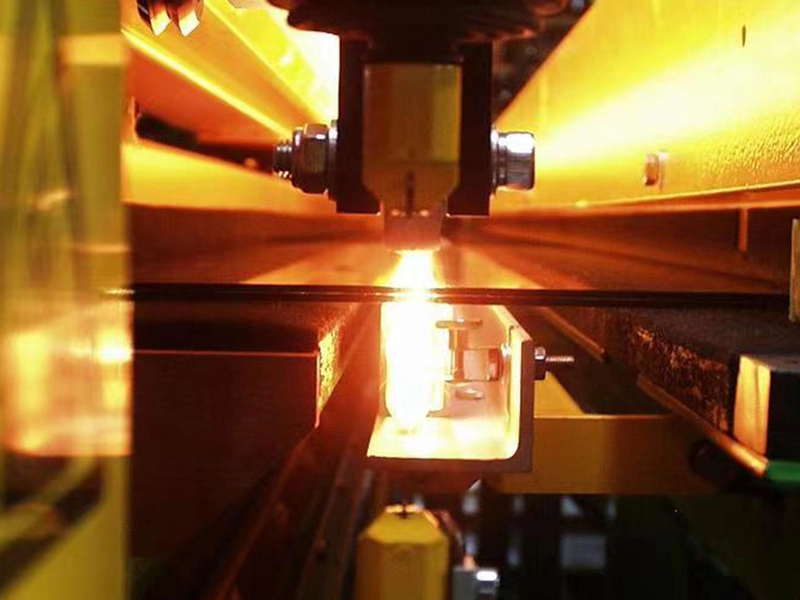
Ever had a batch of glass pieces where some come out perfect, but others just… crack? It’s frustrating. Usually, the culprit isn’t your skill; it’s the heat. Specifically, it’s what’s happening during preheating. If your infrared (IR) lamps aren’t putting out the exact same amount of heat across the board, you get these invisible “thermal gradients.” Basically, some spots are too hot and others are too cold. That unevenness creates internal stress in the glass. One piece stays under-annealed, the next one snaps. It’s a nightmare. The problem with “close enough” Here’s the thing: we obsess over wattage tolerance and spectral distribution for a reason. Imagine one lamp is pushing 110% power while the one right next to it is only hitting 90%. You’ve just created a “hot spot.” In the world of glass, a tiny swing of 10-20°C is enough to change how the material flows. You want that heat to feel like a warm blanket—totally even across the entire kiln or tunnel. No surprises. Keeping things steady To stop that drift, we use high-purity quartz and filaments wound with extreme precision. Why? Because if a filament sags or shifts even a little bit, the focal point of the heat moves. Suddenly, your “sweet spot” is gone. And a quick tip: keep an eye on your power supply. Voltage spikes are killers. They’ll either fry your lamps early or cause a flicker that throws your whole thermal balance out of whack. Power vs. Control High-output lamps are great because they get your glass up to temp fast. But that intensity comes with a catch—positioning is everything. If your lamps aren’t spaced exactly right, the areas where the heat overlaps will just bake the glass. You’ll need to tweak your PID controllers to match the specific batch of lamps you’re using so you don’t overshoot the annealing point. When your lamps are actually consistent, the guesswork vanishes. Your ramp-up times become predictable. You stop crossing your fingers and start hitting your specs every single time.