
Why Constant Heat is the Secret to Better Glass
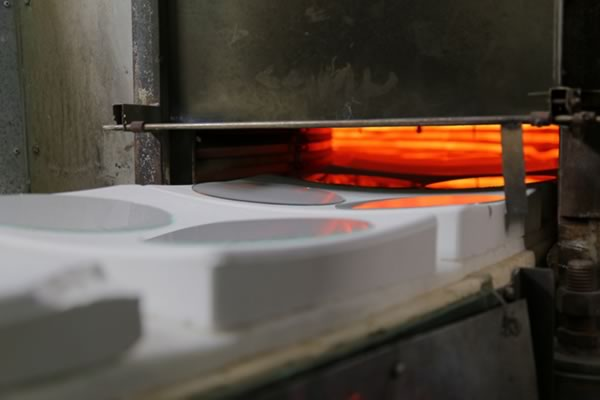
Ever wonder why one batch of glass comes out perfect, but the next one is a disaster? Usually, it’s because of “cold spots.” When you’re running glass through a preheating system, any tiny dip in the infrared (IR) output across your heating array creates these invisible pockets of cool air. That’s where the trouble starts. Those spots cause uneven internal stress, and before you know it, your glass is warping or—even worse—just snapping for no apparent reason after it cools down.
The Headache of “Almost” Consistent Lamps
To fix this, you need lamps that actually do what they say on the box. We spend a lot of time obsessing over the tungsten filament winding and spectral distribution. Why? Because if you have a 10-lamp array and nine of them are putting out 2000W, but one is hitting 2200W, you’ve got a heat spike. It sounds like a small difference. But that 10% variance is plenty to ruin a precision batch. You need that radiant flux to be dead-even across the entire surface of the glass. No spikes, no dips.
Power vs. Hardware
To get the temperature to climb quickly, we use high-wattage shortwave emitters. These are great because they react fast. You get immediate heat transfer without having to wait around for the lamp to “soak.” But here’s the catch. When you cram that much wattage into a small space, you’re putting a lot of pressure on your lamp holders and wiring. If you’re building a system for maximum heat density, make sure your electrical contacts can actually handle the current. Otherwise, you’re just waiting for your terminals to burn out.
What This Actually Means for Your Shop
When your heat source is steady, the guessing game ends. You stop wondering if the “soak time” was long enough. You stop pulling “mystery rejects” from the middle of a batch and scratching your head. Instead, you just wire up the array, set your PID controllers, and trust that you’ll get the exact same thermal profile every single time the machine cycles. It just works.