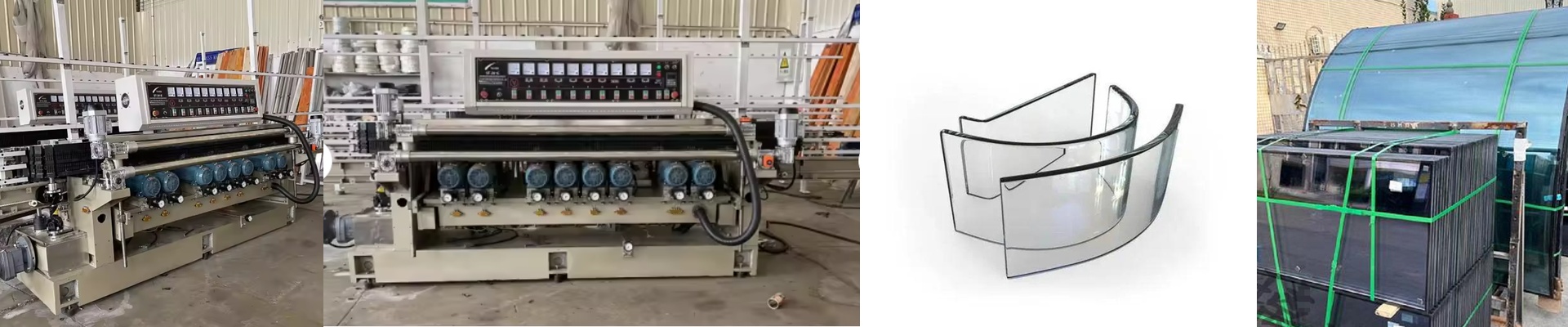
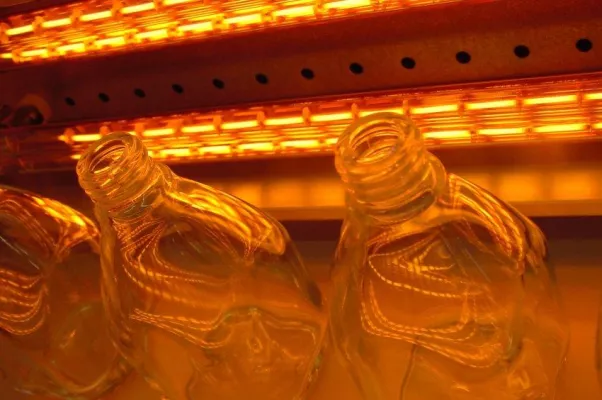
Squeezing High-Heat IR into Mobile Glass Brackets
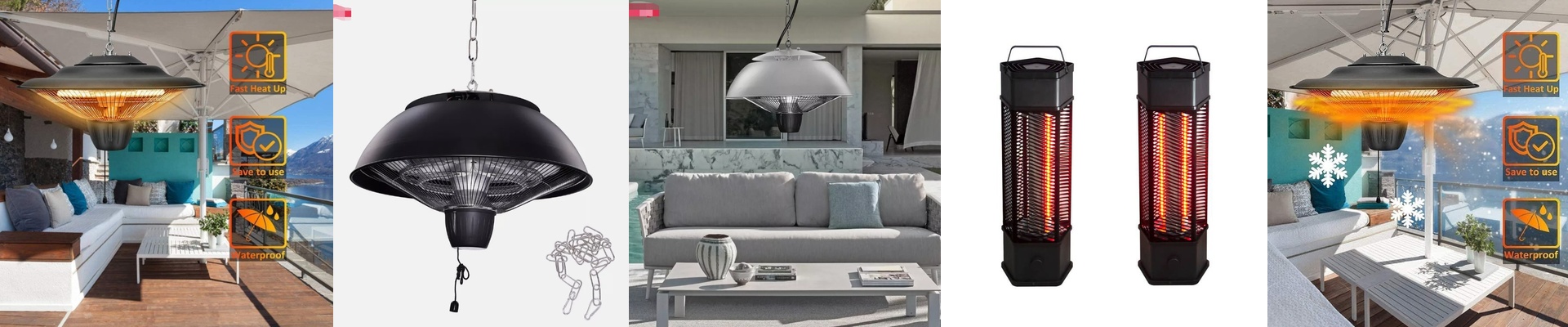
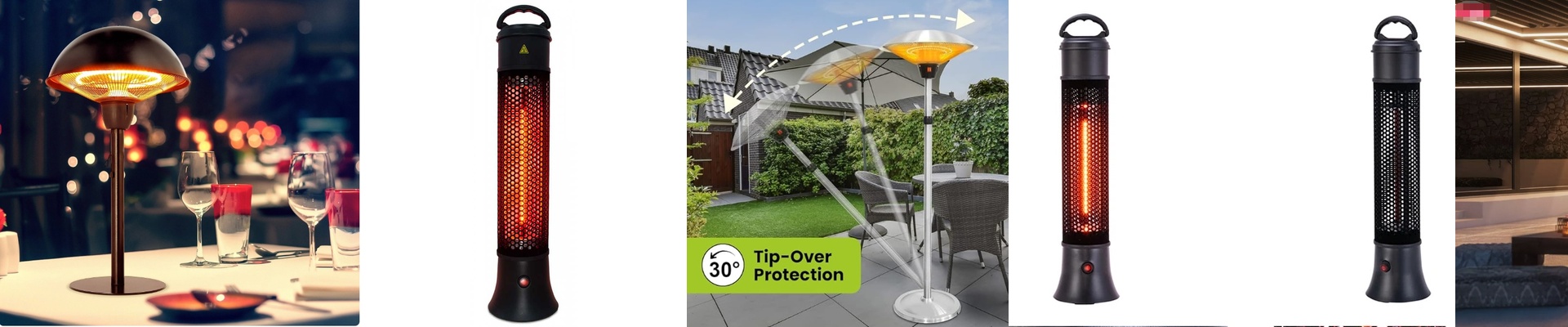
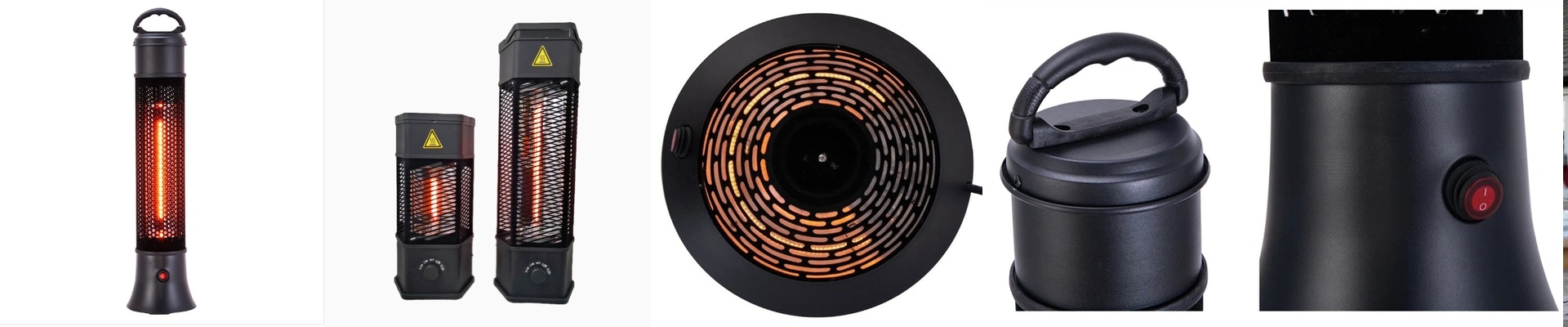
When you’re trying to jam a high-performance heater into a mobile glass repair bracket, you’re basically fighting for every single millimeter. It’s a tight squeeze. If you’ve got a tiny footprint and a strict voltage limit, standard heating coils just won’t cut it. They’re too bulky and too slow. That’s why we lean on shortwave infrared (SWIR) lamps.
The Power Struggle
Here’s the thing: you want the glass to hit molding temperature fast, but you don’t have a massive power plant sitting in the back of the van. To make this work, we focus on power density. We use quartz halogen tubes with concentrated filaments to pack a ton of wattage into a tiny package. But there’s a catch—the voltage drop. In a mobile setup, the lamp has to play nice with the onboard power inverter. If you try to shove too many watts through a low-voltage line, you’re going to fry your wiring. It’s a balancing act. We tweak the filament length against the voltage so the lamp gets hot enough to do the job without blowing a fuse.
Picking the Right Stuff
We use high-purity quartz glass for the outer shell. Why? Because it doesn’t freak out when the temperature swings wildly. It handles that “on-off-on” thermal shock way better than the cheap stuff. And we stick with shortwave IR because it’s efficient. Instead of wasting time heating up the air around the bracket, the energy shoots straight into the glass. It’s fast. Really fast. But remember, these things get scorching. You can’t just bolt them to a frame. You need a solid heat shield or a reflective backing to bounce that heat toward the glass and keep it away from the rest of the rig.
The Trade-offs
Nothing is perfect. Since we’re pushing these miniature lamps so hard, they don’t last as long as those giant industrial heaters you see in factories. The filaments are under a lot of stress, so you’ll be swapping them out more often. Also, because the heat is so concentrated, you can’t just “set it and forget it.” You need a precise PID controller. If you don’t have one, you’ll likely overshoot your temp and—crack—there goes your glass.