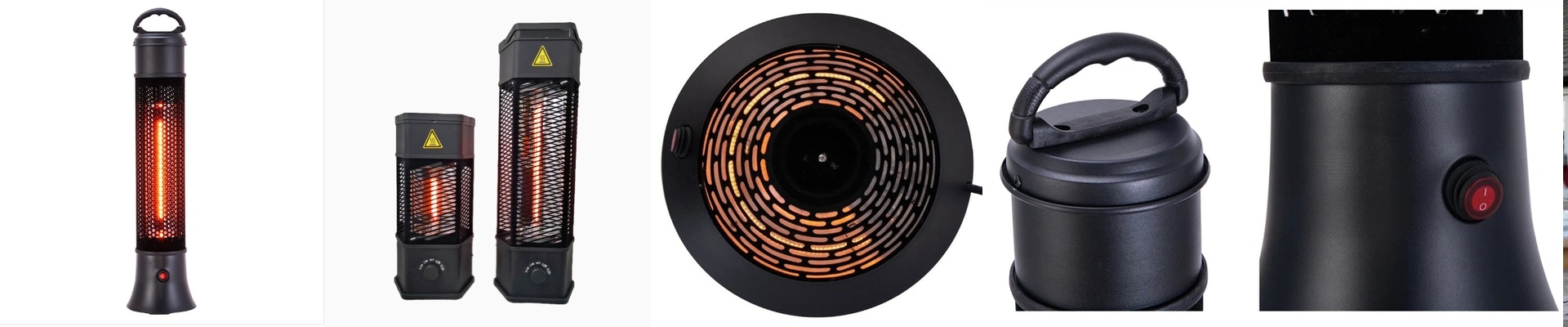
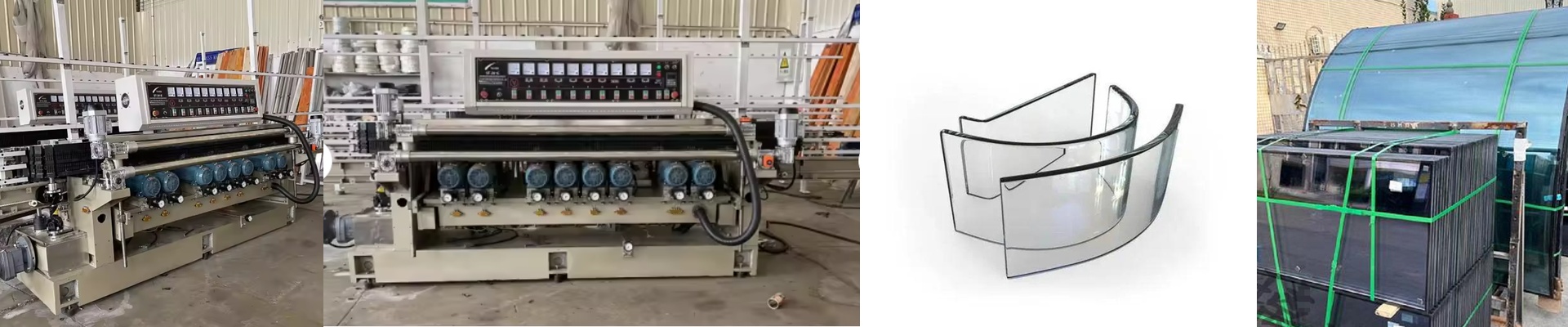

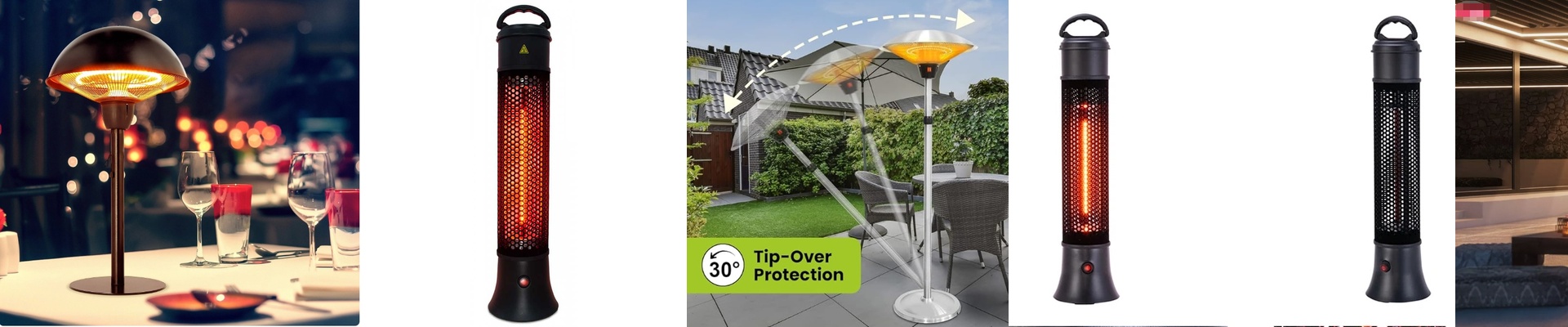
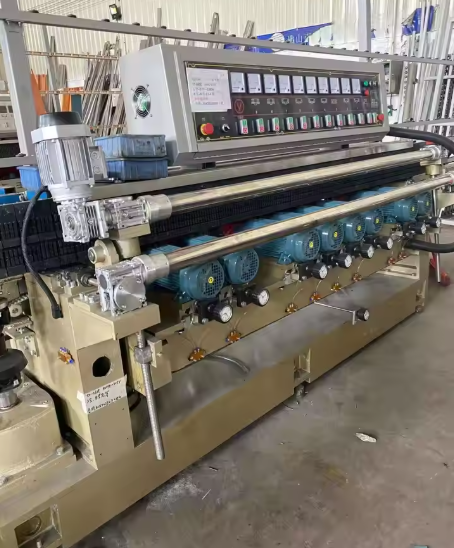
On the line, heat isn’t a comfort feature—it’s the schedule. When the tempering furnace is chasing setpoint instead of hitting it, when the bending station is waiting on warm-up, when the lamination press runs uneven because the top and bottom zones read different temperatures, every delay stacks up. Glass either moves fast, or it moves wrong. If heating lags, you bleed seconds per cycle. Seconds turn into scrap, rework, and overtime. We supply wholesale glass heating lamps built for real glass processing: fast response, stable output, and repeatable temperature control—day after day, shift after shift. If your plant runs tempering, bending, lamination (EVA/SGP/PVB), coating drying, or insulating glass sealing, the heating module has to act like a fixed asset, not another moving part that keeps causing headaches.
What actually matters under the hood
Glass heating lamps aren’t just “a hot light.” They’re a thermal tool with real output, spectral behavior, and mounting constraints that have to match the machine envelope. We build around short-wave infrared (SWIR) elements in a quartz envelope, because glass absorbs strongly in that band and the response is quick. In practice, the lamp comes up to stable output fast after a cold start and reacts immediately to setpoint changes—without the overshoot that can drive thermal stress into the glass. The specs are chosen for the floor, not for a glossy sheet:
- Power density: matched to the heat flux needed for the glass thickness and cycle time. More power isn’t “better.” Too little and you stretch the cycle. Too much and you create hot spots and raise warp risk.
- Voltage and tolerance: offered in standard industrial voltages, with tight tolerance on element resistance so zone-to-zone variation stays small.
- Dimensions and focal distance: sized to fit common heating stations, with a defined working distance that keeps the beam pattern consistent across the glass width.
- Termination and connector: built for high-temperature reliability and fast replacement, with options that match common OEM terminal layouts. Control matters as much as the lamp itself. We pair the lamp with a calibrated control strategy that holds setpoint within a tight band, because in glass processing, temperature stability is what keeps yield predictable.
Why this plays in glass plants
Glass plants run on hard constraints: cycle time, flatness, optical quality, and uptime. A heating lamp earns its keep when it supports those constraints instead of adding new variables. In tempering, the heating section has to deliver uniform energy fast so the glass hits temperature before quench. If lamp output drifts, the furnace stretches dwell to compensate—throughput drops. If the pattern is uneven, quench stress becomes inconsistent, and you start seeing breakage and optical distortion. Our lamps keep output repeatable so the furnace schedule stays steady. In bending, the heating profile shapes the glass behavior. The lamp has to heat quickly enough to form, but not so quickly that surface and core separate thermally. SWIR, with controlled power density and stable setpoint behavior, gives you predictable sag and repeatable bend angles—especially when you’re running multiple thicknesses and colors. For lamination—EVA, SGP, and PVB—temperature uniformity across the press is what prevents voids, delamination, and optical defects. A cooler zone gives you edge voids. A hotter zone gives you resin bleed and haze. Tighter zone control lets the press profile match the adhesive requirements instead of fighting the equipment. In coating drying and insulating glass sealing, the same rule applies: heat has to be consistent and controllable. Coatings cure to a specific solids level, and sealants set to a specific viscosity profile. When heating is stable, film formation is consistent and the bead sets reliably—without chasing every batch. And when the lamp is standardized as a wholesale replacement across multiple lines, you remove one variable. Maintenance gets predictable. Spares get simpler. Downtime gets shorter.
The practical details that make it work
No heating solution fits everywhere, and straight talk beats wishful thinking. Installation is straightforward, but it’s not “plug-and-play” unless the machine is set up for it. SWIR lamps concentrate energy, and the mounting hardware, reflector geometry, and working distance define the temperature distribution on the glass. Change the distance or the reflector, and you change the profile. So we focus on compatibility:
- We match the lamp footprint, terminal arrangement, and mounting method to your existing heating station.
- For common glass machinery brands, we supply adaptable brackets and wiring configurations so the lamp drops in with minimal modification.
- We specify working distance and airflow conditions to keep the lamp and reflector within thermal limits while maintaining stable heating on the glass. One constraint you can’t skip: SWIR lamps deliver high intensity, and they need proper shielding and safe termination. Operators need training on the basic precautions for high-temperature lamps and reflectors—protective eyewear where required, correct handling, and proper lockout/tagout during replacement. If you standardize on a single lamp type across multiple machines, you gain consistency in performance and maintenance. But you have to standardize the mounting and control interface too, so the replacement behaves the same way every time. We design the lamp to be dependable in the process, and we design the integration so that dependability shows up on your floor. If you run tempering, bending, lamination, coating drying, or insulating glass sealing—and you need heating that keeps pace with production—we can supply wholesale glass heating lamps configured for your equipment and your process.