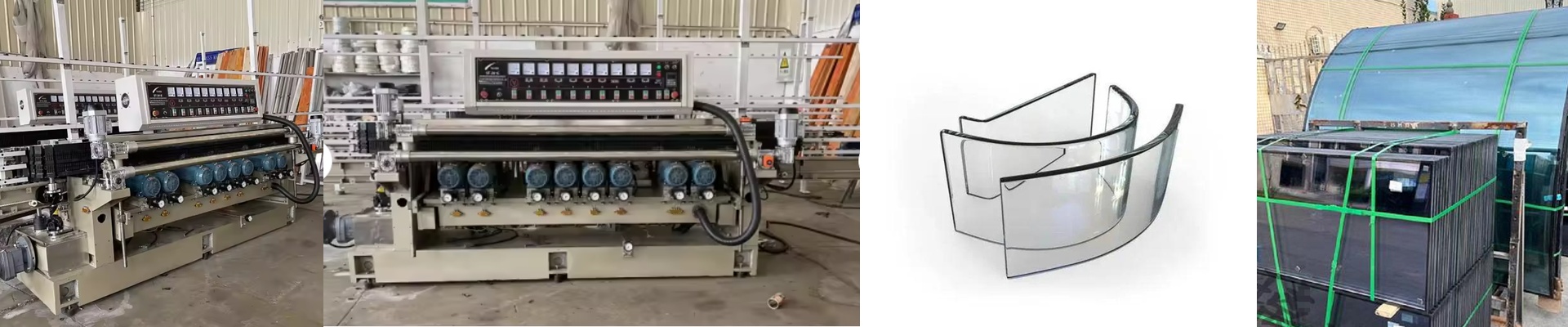

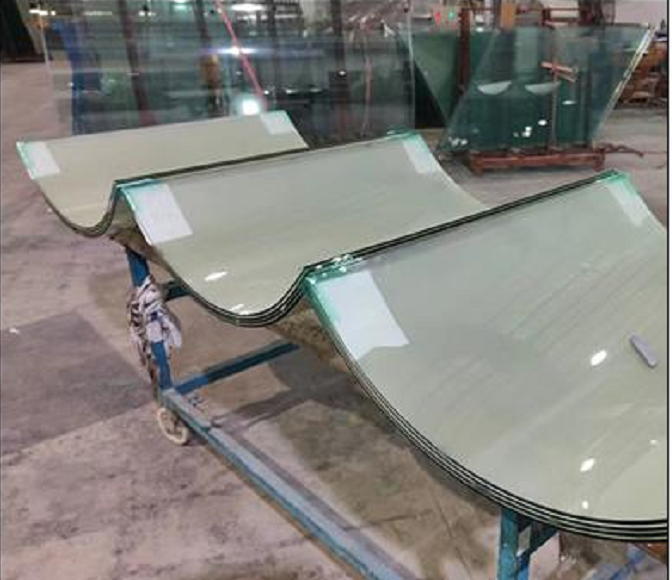
On a tempering line, the furnace can spool up fast, but if the spare heating elements can’t hold a uniform thermal field, you’re buying waves, optical distortion, and stress fractures. Then the downtime to swap them in makes the problem worse. We built our spare heating modules to live in that harsh thermal cycling and keep the process steady.
What matters, technically
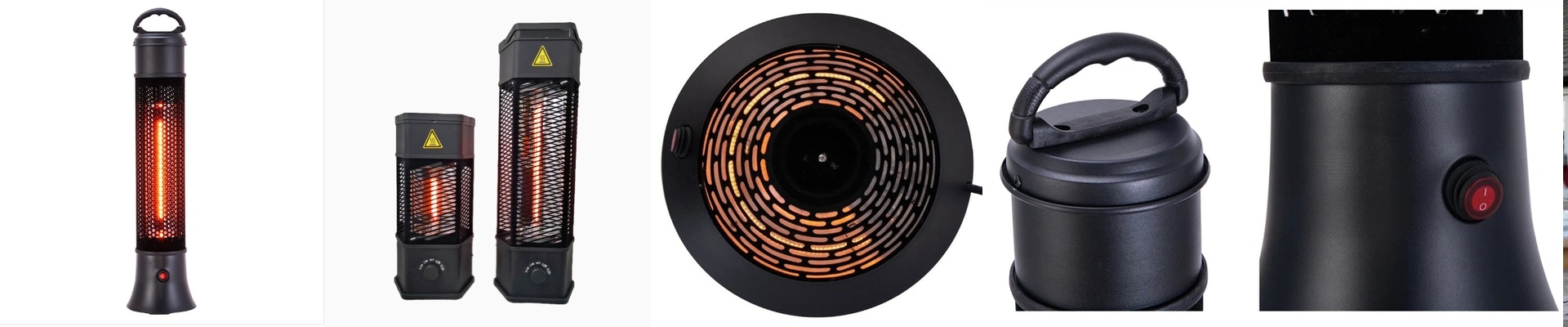
These spare elements use quartz sheaths and high-purity resistive coils, tuned for quick response and tight temperature control. Standard configurations cover 230 V and 400 V, with watt densities matched to tempering, bending, lamination, and coating drying. The compact footprint drops into OEM mounting footprints, and the terminals and ceramic insulators line up with common connector types so it’s a straight swap. Fast ramp-up trims cycle time, and stable output keeps the thermal swings that drive glass stress from creeping in.
Why it holds up in real production
Energy use falls because the elements heat quickly and hold setpoint without overshoot, cutting kWh per square meter of processed glass. With more uniform heating, you see fewer rejects from optical defects and thermal stress, so finished yield climbs. Longer service life means fewer emergency spares and less labor tied up in swap-outs, and maintenance cost takes a hit in the right direction. The upshot is predictable output, consistent quality, and a lower operating cost per unit produced.
Things to keep straight on the floor
Install with attention to polarity and clearance—otherwise you risk hot spots and contact with adjacent components. Confirm the furnace voltage and control profile before commissioning; mismatched control will chew up element life. Keep an eye on emissivity changes on the glass surface during coating drying and adjust power to match. Treat quartz like what it is: brittle. Easy does it during handling and alignment.