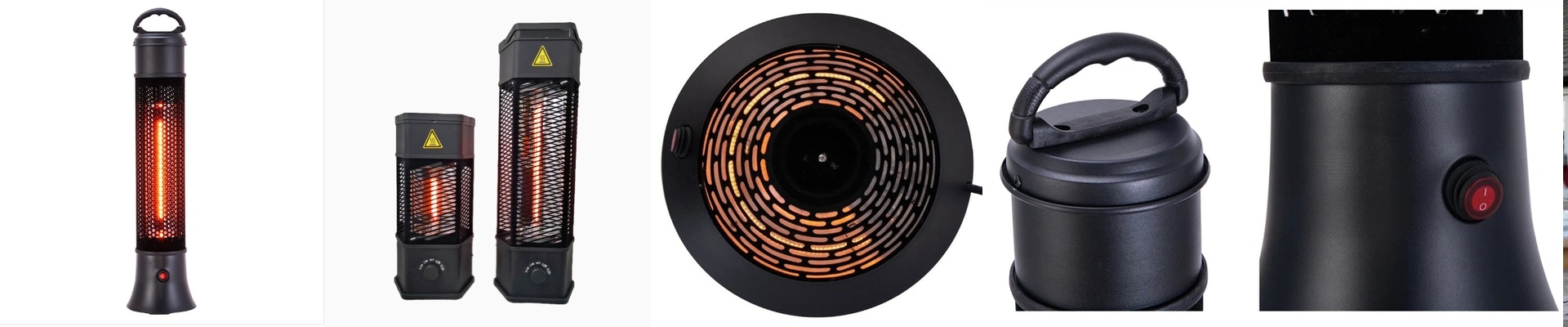
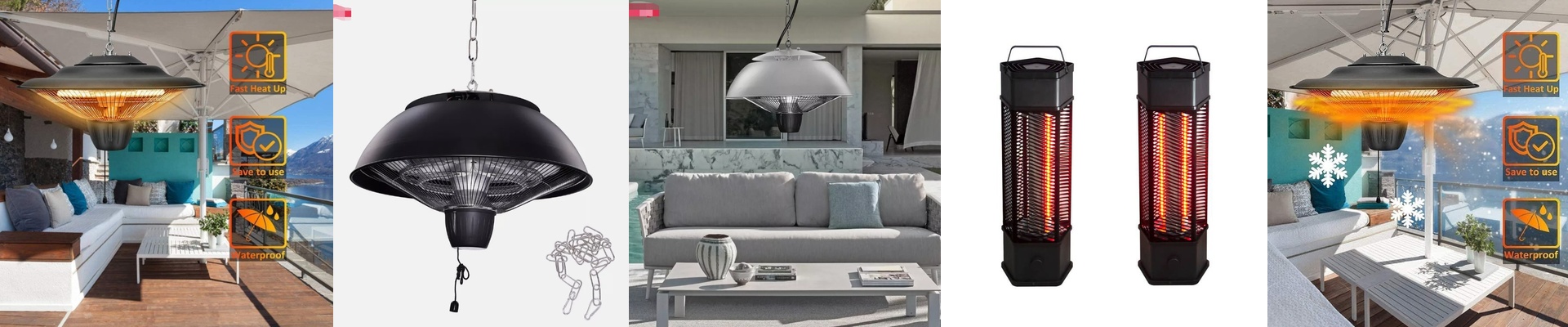
On an insulating glass line, that sealant window is unforgiving. Turn the heat too low and the secondary sealant sags, dragging the line down and risking adhesion. Crank it uneven and you’ll crack the lite from thermal stress before it ever clears the station. We designed the heating modules to sit right in that process window—consistently. What matters, technically The curing modules run medium-wave infrared emitters in a quartz envelope, matched to how polysulphide and silicone sealants absorb energy. Power density is set to get the surface up fast without scorching, and the reflector geometry keeps irradiance uniform along the gasket path. That gives you a repeatable thermal profile: quick ramp, tight dwell, controlled cool-down. Output holds steady for 5,000+ hours, with less than 5% drop. Why this plays in production IG is all about cycle time and yield. These modules shorten cure without stressing the primary seal, so you get more frames per shift. Uniform heat cuts rejects from uneven adhesion and edge stress, and lower energy draw brings per-unit operating cost down. They drop straight into existing frames as OEM replacements, so changeover stays quick. A few shop-floor details Installation is straightforward, but alignment is not optional. The emitter array has to track the sealant path within tolerance—otherwise you’ll see banding. Keep the reflectors clean, and verify voltage at the terminal. Line sag will shift the operating point and can shorten element life. Expect a bit more inrush current on cold start; size the contactor accordingly.