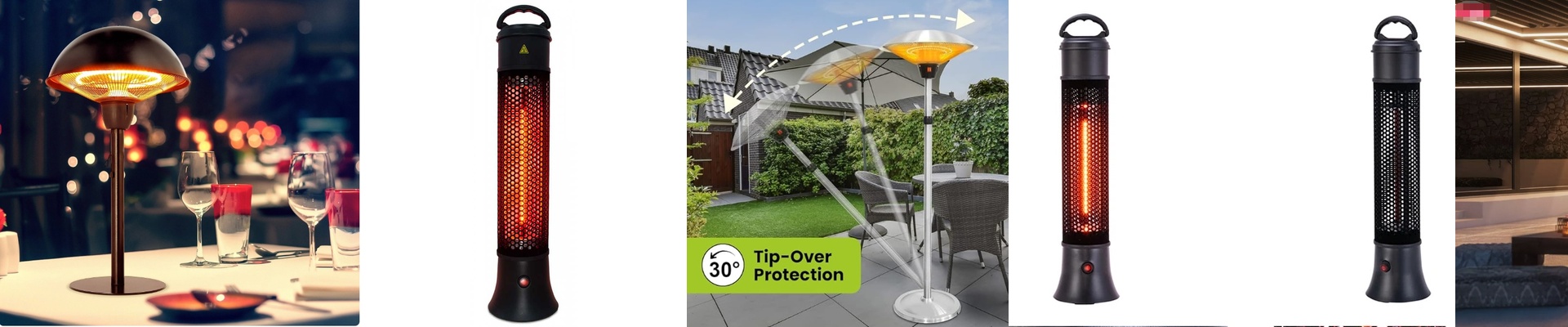
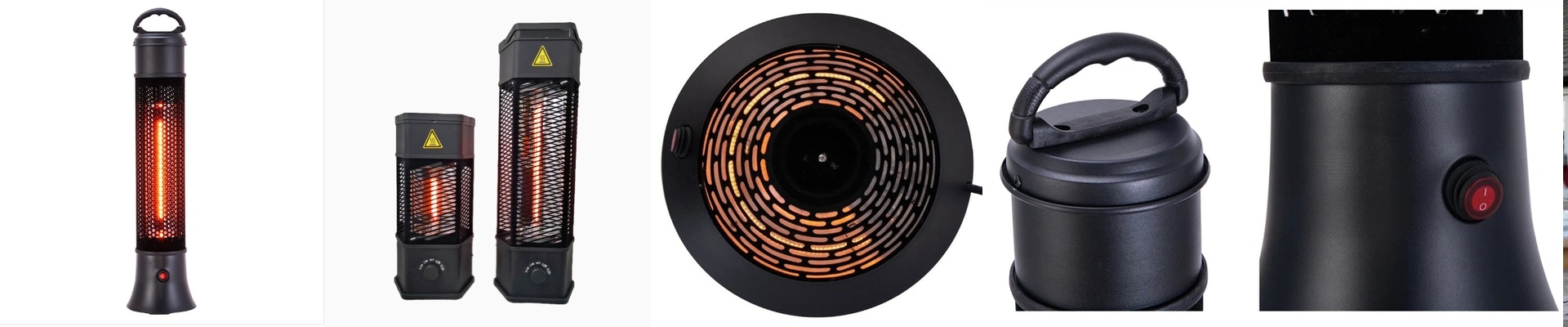
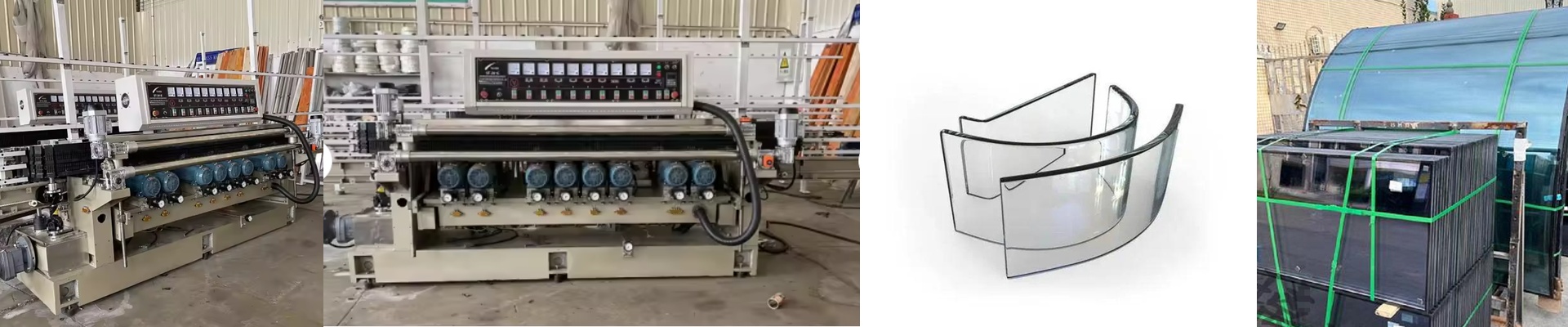
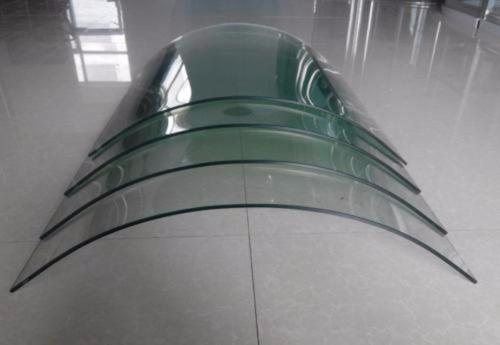
On the glass line, heat is less about temperature and more about control. If the furnace ramps too slow or the thermal field drifts, you start seeing optical distortion, thermal stress fractures, and whole loads getting scrapped. We build heating setups to keep the process repeatable, shift after shift. What matters, technically We don’t design around a catalog; we design around the glass process. For fast, controlled energy delivery, we lean on short-wave infrared, pairing emitters that match the glass emissivity and absorption bands. Ramp rates typically hit 10–15°C/s, so you can move from heating to forming or quench without overshoot. Temperature uniformity across the active zone stays within ±3°C. That tight band directly cuts thermal stress and keeps optical quality consistent. Power density is matched to the workpiece and line speed—commonly 15–30 kW/m²—and we size conductors, busbars, and terminals for 240–480 V continuous duty. The payoff is predictable heat input, predictable glass behavior, and fewer mid-run corrections. Why it plays in real processes In tempering, uniform heating and a stable soak get you the target surface compression and keep fragmentation counts in spec. In bending, controlled local heat smooths out shape transitions without thinning or wrinkling. In EVA/SGP/PVB lamination, that same precision keeps you inside the adhesive flow window, which cuts bubbles and edge voids. The system also trims energy use by getting rid of idle overheating, and the modular layout makes changeovers between part sizes quicker. Here are the practical details These modules are built to integrate. Mechanical envelopes and terminations can match existing frames and fixtures, but you need to confirm mounting and clearances before installation. Because infrared output is line-of-sight, shadows from fixtures or conveyor parts can create cold spots. We usually run a quick site survey or check the CAD layout to lock in emitter placement. Plan for clean, dry air cooling and proper insulation—both keep components protected and the thermal profile stable.