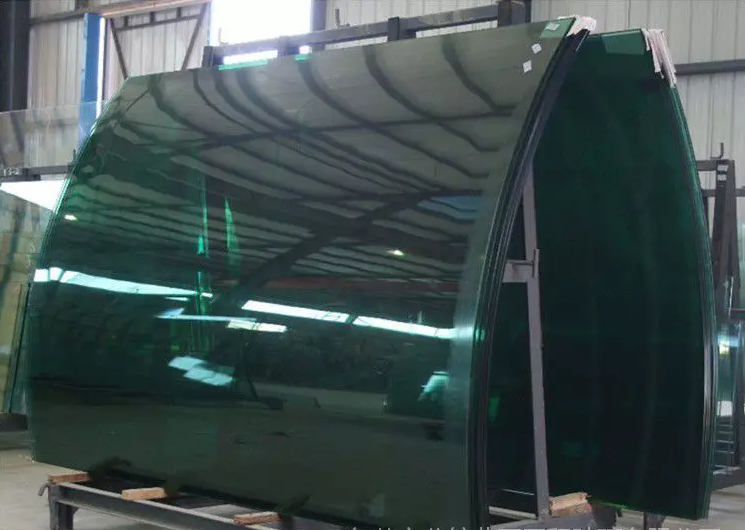
On the line, a curved glass heating furnace lamp that can’t hold a uniform thermal field turns what should be predictable cycles into scrap. Temperature swings across the mold drive thermal stress, and the next shift starts with rework and overtime. You need heat that lands exactly where you set it—fast enough to keep pace, stable enough to repeat. What matters, technically We build the lamp around near-infrared (NIR) quartz elements because they respond quickly and give you tight control. A typical unit runs 230–460 V, 1–3 kW per lamp, with lengths matched to furnace zones so the heat map follows the glass profile. The emitter array is laid out to cut shadowing and hot spots, and the reflector geometry keeps energy focused on the glass surface instead of heating the chamber. Output is tuned to match the absorption of coated and uncoated glass, so you spend less time chasing setpoints and more time shipping parts. Here is why it works in curved glass heating. The lamp has to deliver even heat to hit the bend radius, then hold it long enough for consistent tempering. With this setup, ramp-up is quicker, so you shorten cycle time without fighting temperature overshoot. The payoff is fewer optical distortions, lower breakage from thermal stress, and a more stable process window for lamination prep and coating drying. Energy use drops because the heat goes where it’s needed, not into the frame and the air. Installation is straightforward, but clearance to the glass and reflectors matters. Keep the lamp aligned to the focal plane and verify the voltage and connector match your furnace terminals. Expect higher current on start-up, and plan your wiring and cooling accordingly. For best results, match lamp output to your glass emissivity and schedule periodic calibration checks to keep the thermal profile within tolerance.