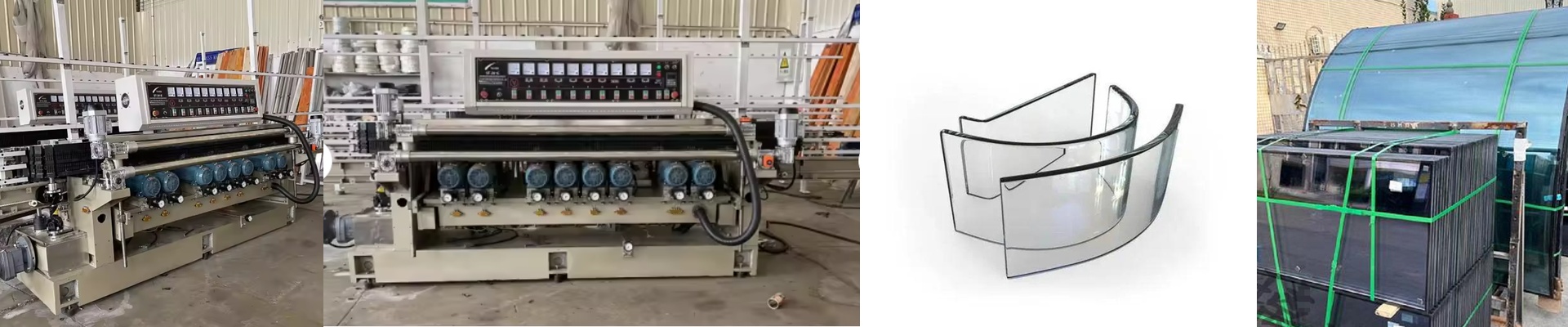
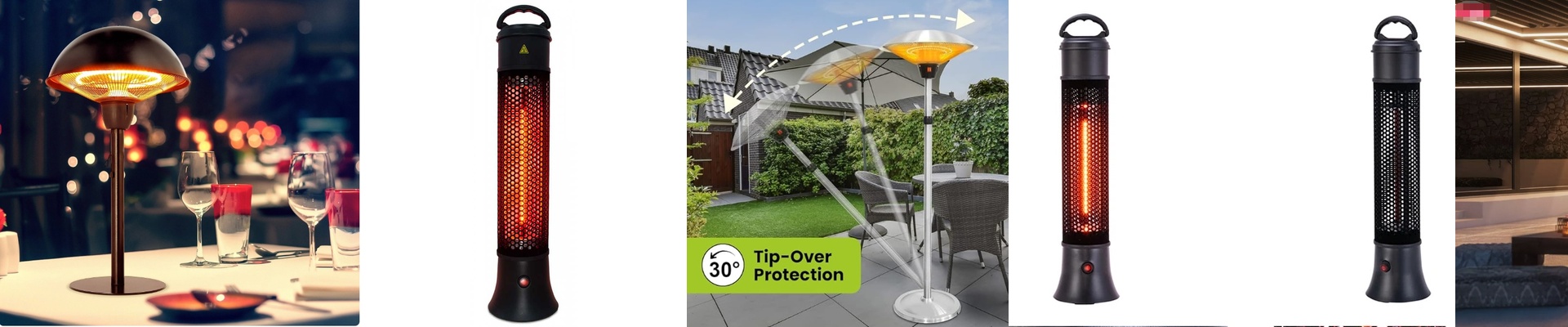

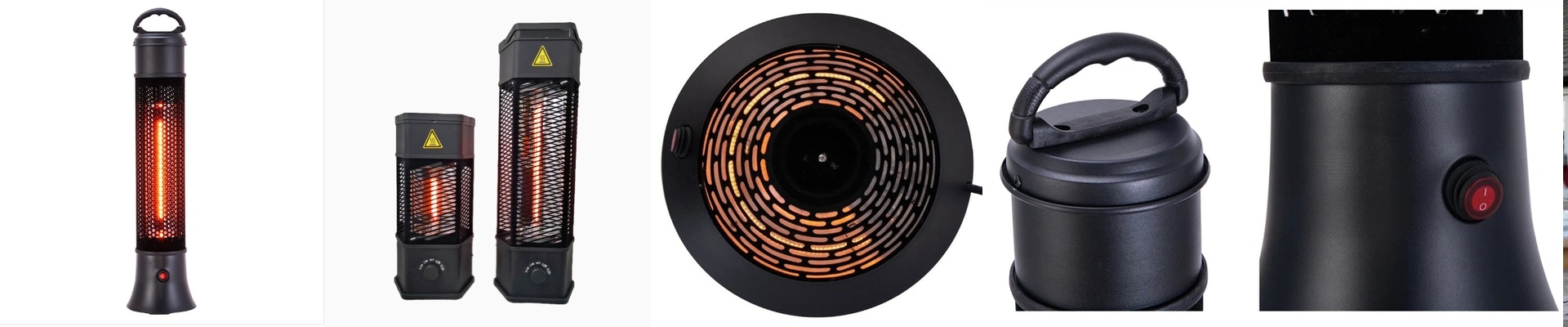
On the bending line, the oven fires up and the clock starts ticking. Every minute spent chasing rejects is a minute you won’t get back on throughput, and a warped or split bend hits the bottom line—scrap glass, reheated loads, and furnace time sitting idle. We built the heating approach to break that cycle. It’s not just about heat. It’s about repeatable heat, where the glass needs it, when it needs it. What matters under the hood We run short-wave infrared quartz heating modules—fast response, tight power control. The emitters deliver high radiant density with low thermal inertia, so temperature follows the profile instead of dragging behind. Across the bending zone, we target a uniform thermal field to keep hot spots and cold edges in check. The control system holds setpoint stability with minimal overshoot, which cuts the thermal stress that shows up as optical distortion or fracture during forming. The modules are sized to drop straight into existing bending furnaces and press bending stations, with standard mounting and termination so changeover stays quick. Here’s why it works in practice. Bending scrap usually comes down to uneven heating and timing errors—one area still stiff, another already too soft. This setup reduces those swings, so the sheet hits forming temperature more consistently. Fewer splits. Fewer twist rejects. Fewer reworks tying up the line. Faster ramp-up supports higher hourly throughput without sacrificing quality, and tighter control trims energy per good part by avoiding needless overheating. You end up with a higher first-pass yield and output that holds steady. A few field realities. These modules run hot, so you need clean, dry airflow and proper clearance to keep the quartz envelope stable. Matched reflectors matter, and the sightlines have to stay clean—any buildup changes the radiant pattern and brings non-uniformity right back. If your furnace has variable voltage or older control wiring, budget a short commissioning window to tune the power curve to your glass thickness and cycle time. Treat it like a process upgrade, not just swapping in a replacement part.