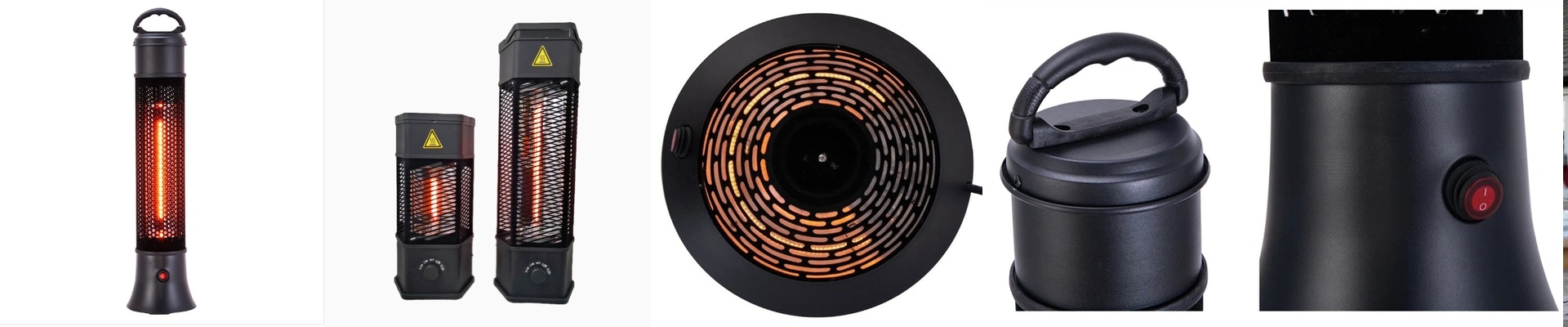

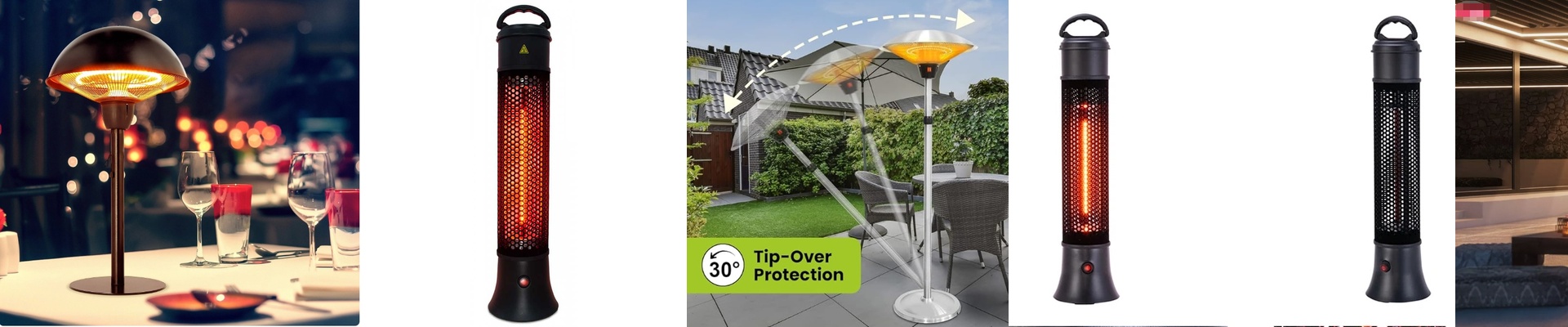
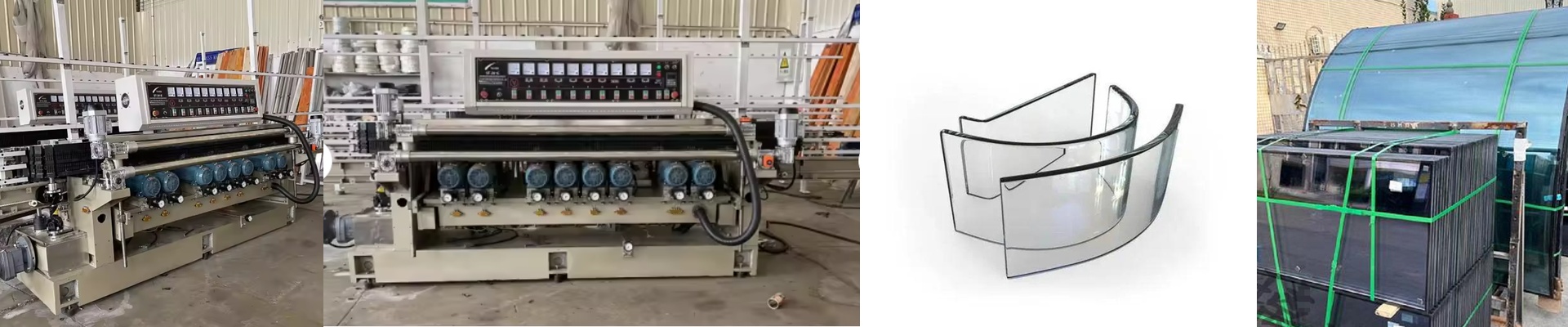
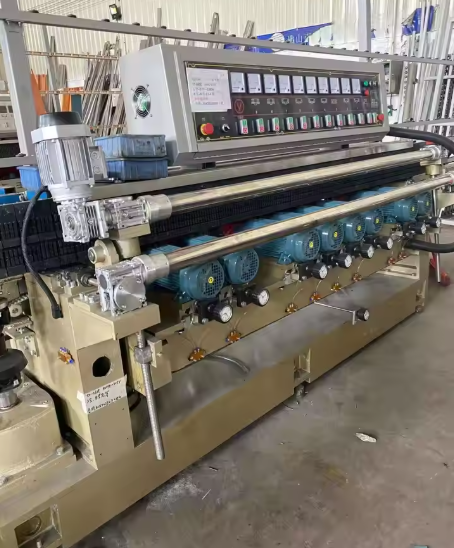
Cutting through ultra-thick glass is a fight. Plain and simple. If you try to run a cutting wheel through a heavy plate without prepping it, you’re basically asking for trouble. The mechanical stress on that blade is brutal. You’ll see chipping everywhere, and your tools will burn out way faster than they should. It’s frustrating and expensive. That’s why we use shortwave infrared (IR) lamps to clear the path. Here’s how it actually works. Most heat just sits on the surface, but shortwave IR sinks deep into the glass. We aim that energy right where the score line is going to be. We aren’t trying to melt the glass—that would be a disaster—but we are loosening those molecular bonds just enough. When the wheel finally hits that spot, it doesn’t feel like a fight anymore. It glides. Your blades last longer, and you don’t have to worry nearly as much about the glass cracking in a way you didn’t intend. But you can’t just crank the heat and walk away. To get the heat to the core of a thick plate, you need some serious power density. We usually go with high-wattage quartz tubes to get the job done. The tricky part is the balance. If you go too heavy on the wattage or leave the lamp on a second too long, you’ll hit “thermal shock.” That’s when the glass just shatters before the blade even touches it. You need your timing and distance to be spot on to stay in that sweet spot where the glass is soft, but still stable. Getting this onto the shop floor takes a bit of planning. Space is always tight, so we mount the IR lamps right in front of the cutting wheel. This keeps the glass hot at the exact moment of contact. One last thing: these lamps get incredibly hot. Make sure your housing has plenty of vents. If you don’t, you’ll end up frying your electronics, and that’s a headache nobody needs.