Getting Silk-Screened Glass Right During Tempering
If you’ve ever tried to combine silk-screen printing with tempering, you know it’s a bit of a tightrope walk. You need the ink to cure perfectly, but you can’t mess with the strength of the glass or let the pattern start bleeding. It’s a tricky balance. That’s why we lean on shortwave infrared (IR) preheaters to do the heavy lifting.
Keeping the Pattern Sharp
Here’s the problem with standard tempering ovens: they’re often too slow. If the glass heats up gradually, the ink can migrate, leaving you with a blurry mess. Shortwave IR lamps change that. They hit the surface fast. This creates a sharp temperature jump that sets the ink in place before the rest of the thick glass even realizes it’s getting hot. By tweaking the wattage and how you space the lamps, you can nail that curing temperature without pushing the glass to its softening point too early.
The Gear That Actually Works
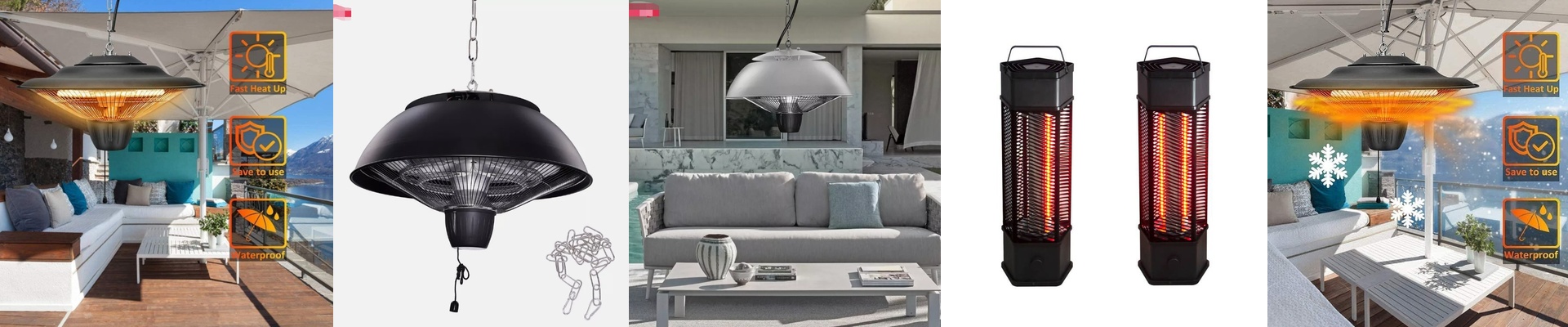
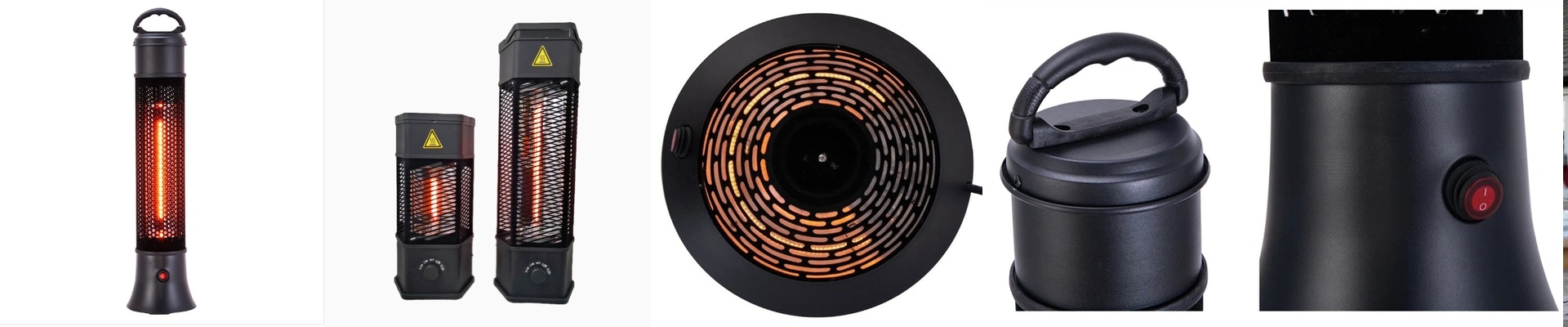
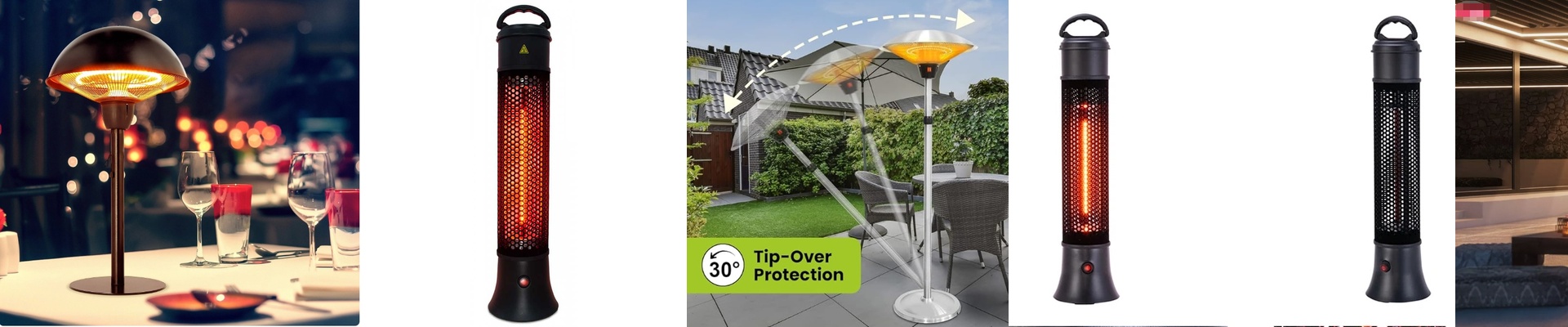
When you’re dealing with thick glass, you need some real muscle. We usually go with high-wattage halogen quartz tubes. If you set up a higher voltage, you can keep the equipment footprint small without losing any of that heat punch. But a word of advice: make sure your lamp length matches your conveyor width. If you leave gaps, you get cold spots. And cold spots lead to internal stress, which is a fancy way of saying your glass might just shatter during the quench cycle.
The Trade-offs
Fast heating isn’t a magic fix. It comes with its own headaches. If the glass enters the preheater too cold, that sudden blast of IR can cause thermal shock. You can’t just crank the dial and hope for the best. You have to stage your heating zones. Plus, if you push the wattage too hard just to shave a few seconds off your cycle time, you’ll end up burning the ink or getting that annoying “orange peel” texture on your print. Not a great look. To keep things under control, I suggest using pyrometers to watch the surface temperature. It stops you from overshooting the window. And don’t forget your cooling system. Those lamps put off a lot of ambient heat; if you don’t vent it, your electronics will start drifting, and then you’re really in trouble.