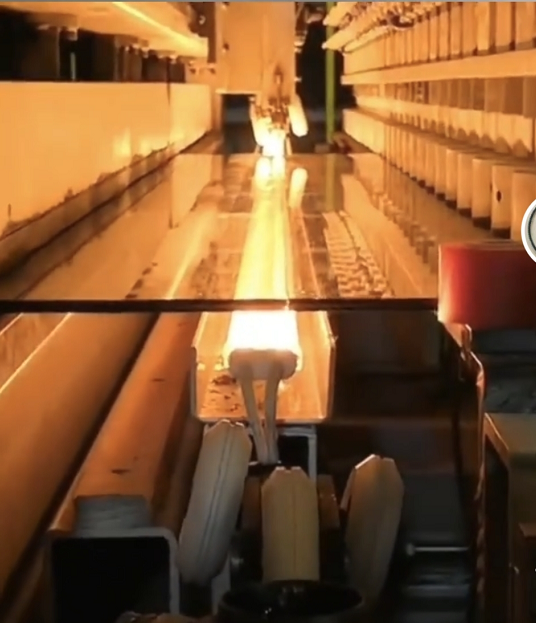
Fixing Those Annoying Cold Spots in Glassware Annealing
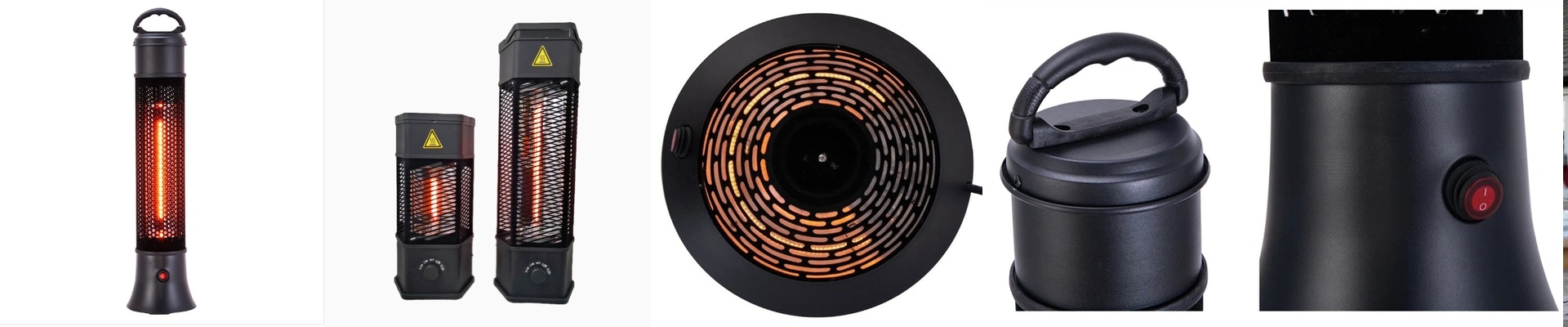
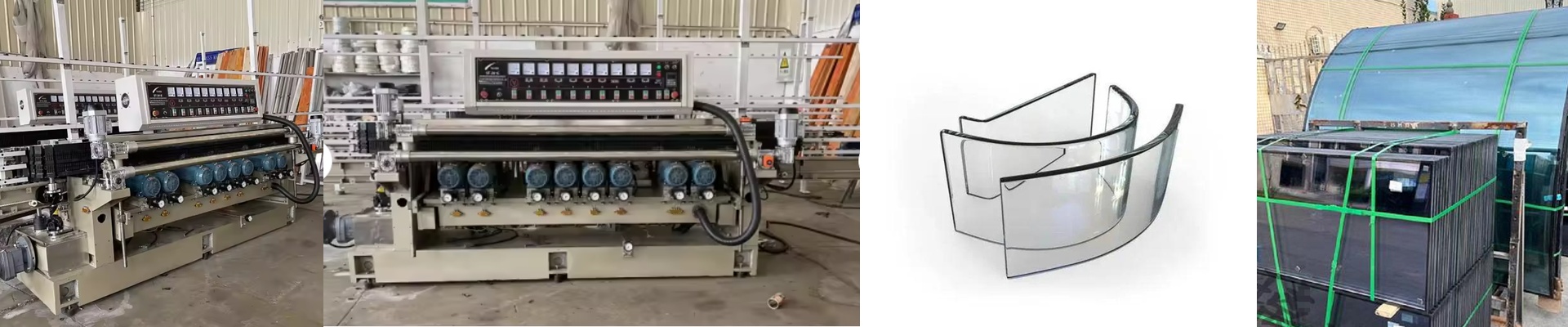
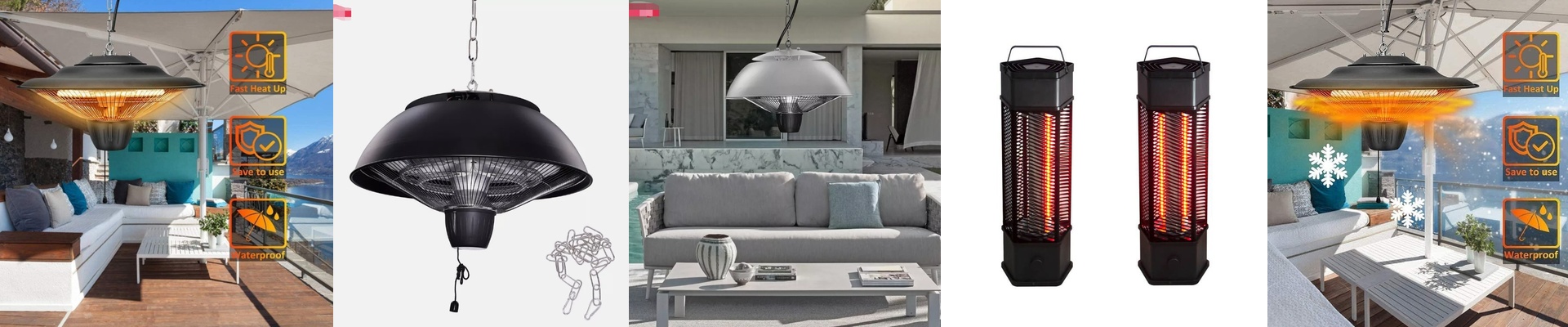
If you’ve ever used a standard convection kiln, you know the frustration. You put in a complex piece of lab glassware, wait for it to heat, and then—crack. It happens because these kilns often have “dead zones.” Some spots just don’t get the heat they need, creating uneven stress that ruins the piece as it cools. It’s a headache. To stop this, we stopped relying on heating the air and started using short-wave infrared (IR) lamps. Instead of waiting for the air to warm up the glass, these lamps hit the surface directly. Getting the heat where it actually matters Think of it like a tanning bed for glass. We set up these lamps in a multi-angle array so the heat basically wraps around curved necks and flared bases. Everything reaches that critical annealing point at the same time. Plus, we use high power density, which means you aren’t sitting around forever waiting for thick-walled vessels to soak up the heat. It just happens faster. The gear under the hood We build these heaters with high-purity quartz tubes. Why? Because they can take the brutal heat cycling without warping. We also add specific coatings to the tubes. This tweaks the emission spectrum so the glass absorbs the heat more efficiently. It’s a small detail, but it makes a huge difference. For the wiring, we stick with R7s or SK15 connectors. They’re rugged and simple. If a lamp burns out, you can swap it in a few minutes and get back to work without having to rewire the whole rack. The tricky part Now, it’s not all plug-and-play. High-wattage IR arrays get hot—really hot. If you aren’t careful, that radiant heat can fry your control electronics. You’ll need solid cooling fans and some decent heat shielding to keep your sensors safe. And a word of warning: don’t crowd the glass. If the lamps are too close, you’ll get “hot spots” that can be just as bad as the cold ones. It’s all about that focal distance. Get the spacing right, and you get a perfectly tempered piece. Get it wrong, and you’re cleaning up shards.