The Struggle of Fitting Big Heat into Small Spaces
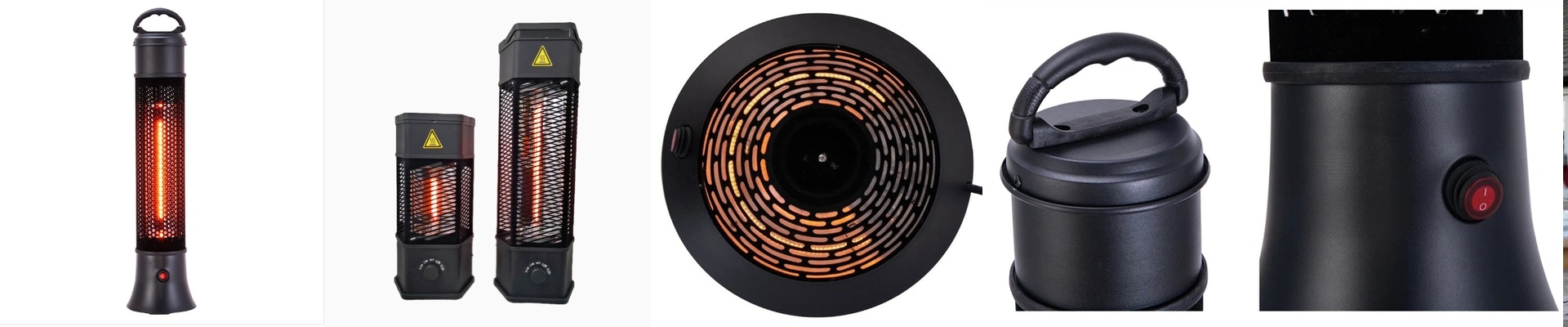
Trying to cram a high-performance annealing bulb into a mobile repair bracket is basically a fight against physics. When you ditch the big, stationary furnace for a handheld rig, you lose that luxury of a massive power supply. You’re stuck with what you’ve got. To make it work, we focus on infrared (IR) emitters that pack a serious punch without taking up half the workbench. Dealing with Power and Voltage Here’s the thing: in a mobile setup, your voltage rails are limited. You can’t just keep cranking up the wattage to get the glass hot, or you’ll fry the filament in seconds. It’s a delicate balance. We use short-wave quartz lamps to get around this. They concentrate the energy right where it needs to be. By tweaking the wattage-to-length ratio, we can hit those target temperatures fast. No bulky transformers required. Shrinking Everything Down Space is the real enemy here. We use compact quartz envelopes and slim connectors to keep the whole assembly tiny. This lets the heating element sit right up against the glass. The closer it is, the less heat escapes into the air, which makes the whole process way more efficient. Plus, we use high-grade quartz so the bulb doesn’t crack when you’re cycling the heat up and down all day. The Real-World Trade-offs But it’s not all sunshine. When you pack 500W into a miniature bracket, things get hot. Really hot. If you aren’t careful, the housing becomes an oven and your electronics will fry. You’ve got to be smart about your cooling fans and heat sinks. Without a good breeze, the lamp’s lifespan plummets because the base temperature just climbs too high. One last tip: use high-temp silicone leads for your wiring. Trust me, you don’t want to see your insulation melt into a puddle near the bulb base.