
Why Your Outdoor Heaters Actually Fail (And How to Fix It)
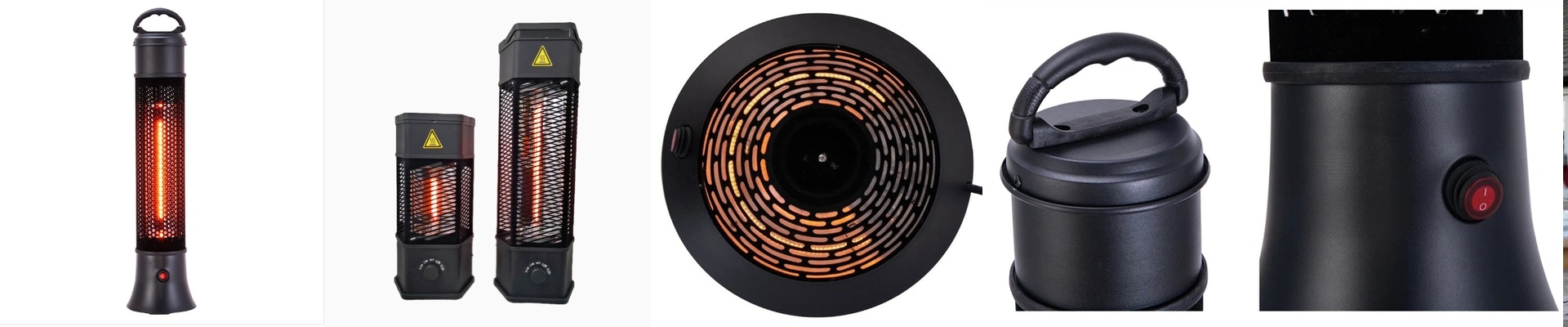
Let’s be honest: outdoor infrared heaters live a brutal life. They spend their days fighting a constant war against rain, humidity, and dust, all while cycling between freezing cold and blistering heat. Here is the secret most people miss: the heating element usually isn’t what dies first. It’s the spot where the lead wires enter the housing. That’s where the real trouble starts. The “Invisible” Gap Think about what happens when the heater kicks on. Everything expands. But the wires and the housing don’t expand at the same rate. This creates tiny, microscopic gaps. You can’t see them, but moisture can. Once water sneaks in and hits a high-voltage wire under high heat, things get ugly. The insulation burns, the wires touch, and—pop—your unit shorts out. Rubber Grommets Aren’t Enough A lot of generic heaters just throw in a basic rubber grommet and call it a day. The problem? Those things dry out and crack after one season of heat soak. They just can’t take the abuse. We do things differently. We use a multi-stage process that combines compression glands with high-temp silicone potting. The potting compound actually bonds to the wire jacket. It creates a solid wall that blocks moisture and keeps the wires from shifting when the temperature spikes. A Quick Word of Caution Now, there is a trade-off. Because this seal is so solid, the wire becomes stiffer. You can’t just bend these leads into a sharp angle like you would with unpotted wires. If you force a tight bend during installation, you might actually stress the seal. Just give the wires a bit of slack to account for that rigid zone, and you’ll be golden. What IP65 Actually Means for You When we talk about an IP65 rating, we aren’t just checking a box. We put these seals through 5-minute spray tests to make sure nothing gets inside. It stops that scary “arc-flash” you see in cheap units and prevents the oxidation that eats wires alive. At the end of the day, if you don’t get the wiring sealed right, your heater is going to burn out long before the heating element ever wears thin.