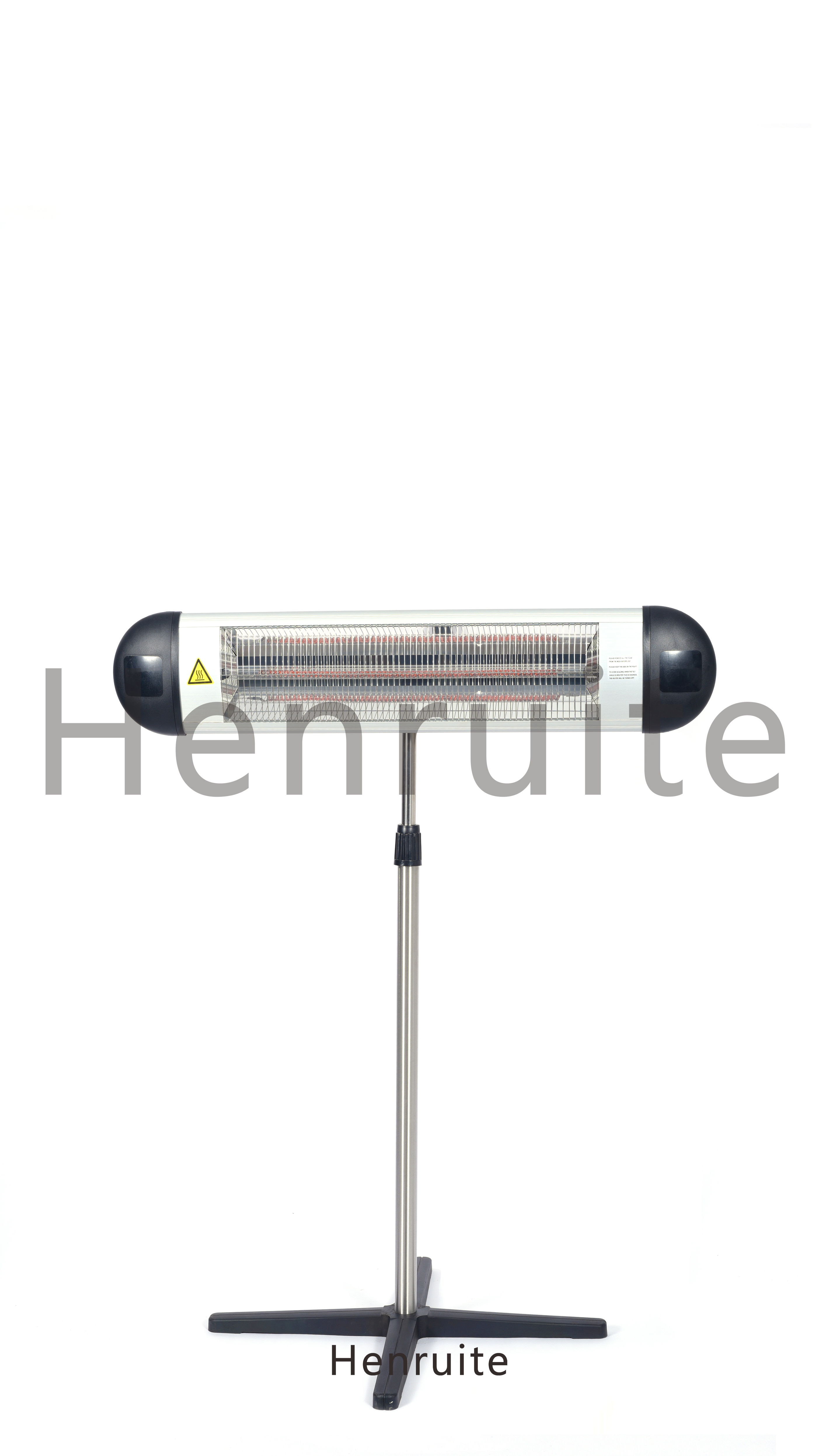
Keeping Your Patio Full When It Gets Cold
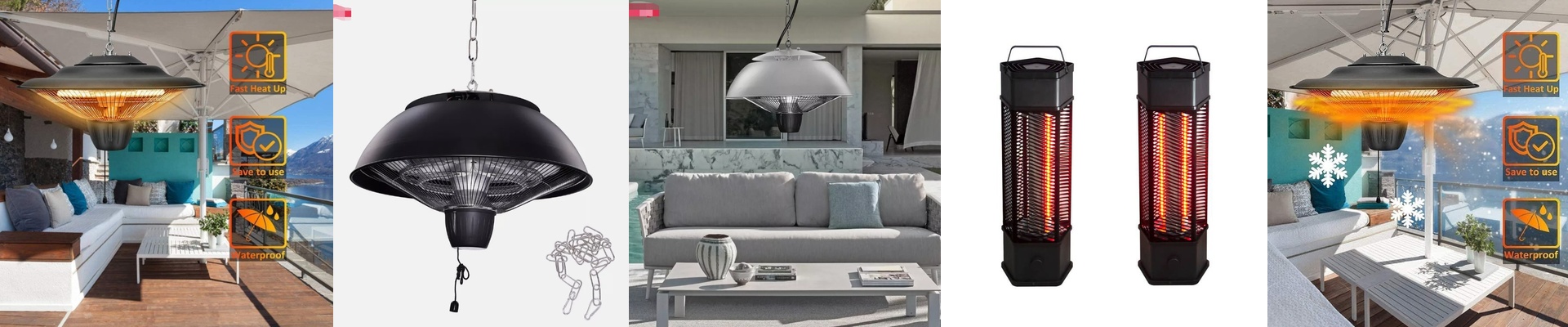
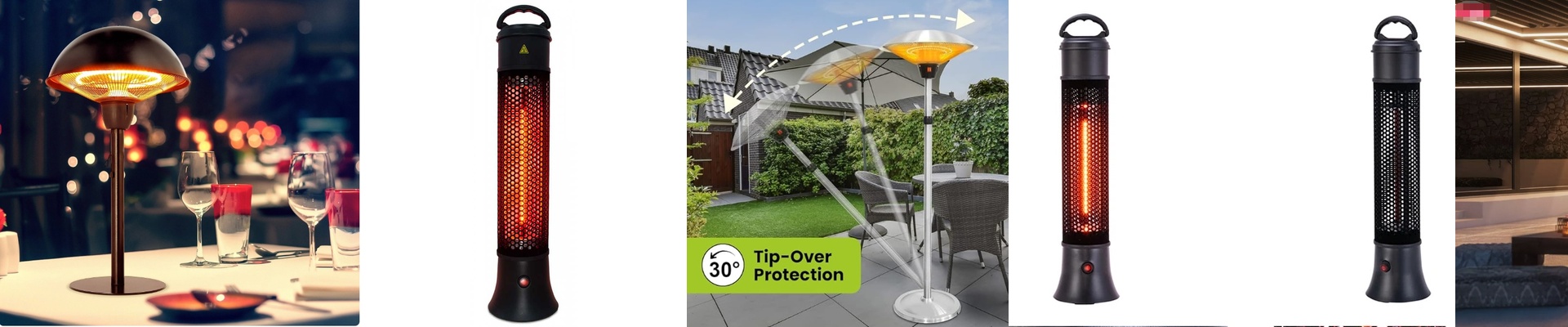
Let’s be honest: the second the temperature dips, your outdoor tables become expensive pieces of art that nobody wants to sit at. You’re losing money every time a guest looks at your patio and decides it’s just too chilly. To fix that, you need heat that actually works—even when the weather turns ugly. That’s why we use IPX5-rated infrared heaters. In plain English? They can handle rain hitting them from pretty much any angle. You can leave them up all year without worrying that a storm is going to fry your electronics.
Why Infrared Actually Works
If you’ve ever used a forced-air heater outside, you know the struggle. You’re basically trying to heat the entire neighborhood because the wind just blows the warm air away. Infrared is different. It works like the sun. Instead of fighting the wind, it sends out waves that heat up the people and the furniture directly. You flip the switch, and your guests feel the warmth instantly. It lets you create a “warm zone” exactly where the tables are, rather than wasting energy on the empty space around them.
The Nitty-Gritty on Setup
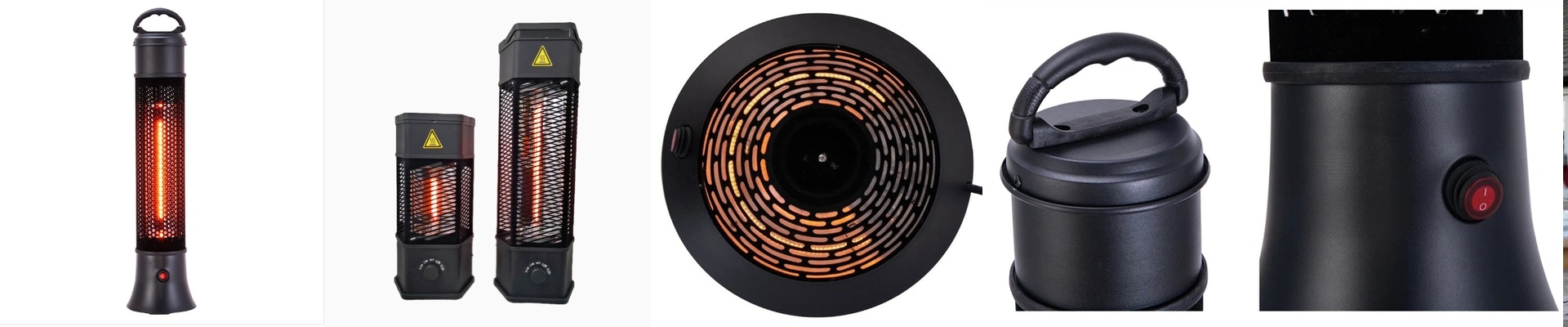
We build these things to take a beating in a commercial setting. We use treated quartz or carbon fiber for the elements so they don’t just burn out after a few months of heavy use. One heads-up on the electrical side: these pull a lot of power. You’ll want a dedicated circuit. If you just plug them into a standard line with everything else, you’re probably going to trip a breaker right in the middle of the dinner rush. Then there’s the height. It’s a balancing act. Mount them too low, and your guests will feel like their heads are in an oven. Mount them too high, and the heat disappears before it even reaches the table. Getting that sweet spot is key.
The Bottom Line
Think about it this way: if you can keep just 20% more people in those seats during the winter, the gear pays for itself in a couple of weeks. Plus, when people aren’t shivering, they linger. They order that extra round of drinks or stay for dessert and coffee. Just one tip: while IPX5 handles the rain, these aren’t submarines. Don’t go blasting them with a high-pressure washer at close range, or you’ll blow the seals. Keep it simple, and they’ll last.