
Getting High-Density IR Heat into a Mobile Glass Repair Rig
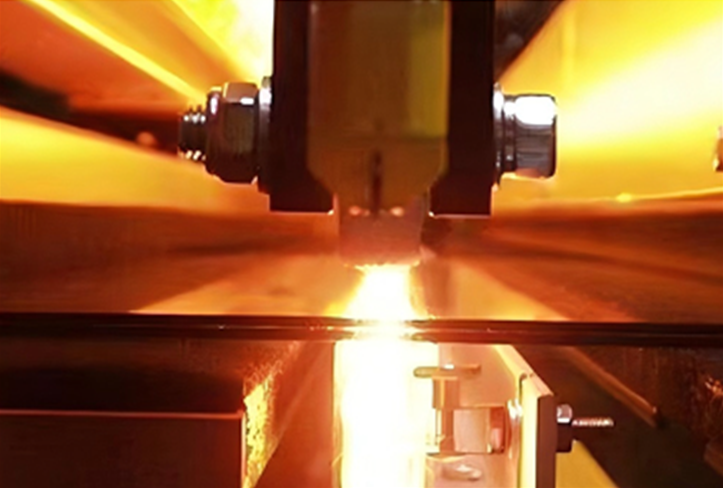
When you’re trying to jam a tempered glass heater into a mobile repair bracket, you hit a wall pretty quickly. You can’t just shrink down a massive factory oven and expect it to work. You’ve got way less space, and your power options are usually pretty limited. Our workaround? Shortwave infrared (SWIR) elements. Instead of wasting time heating up the air around the glass, these things shoot energy directly into the surface. It’s much more efficient.
Dealing with Space and Power
You can’t have a bulky heating array if you want the rig to be actually portable. We use quartz halogen tubes because they’re slim and keep the whole bracket lightweight. But here’s the trick: to get the glass soft enough to bend without a massive power source, we have to crank up the heat flux per centimeter. Basically, the element runs hotter to make up for the shorter heating window. Just a heads-up—make sure your power supply can take that first big hit of current when you flip the switch, or you’ll be staring at a tripped breaker.
How the Heat Actually Moves
We stick with shortwave emitters because they punch through the glass fast. It saves you from that annoying problem where the edges are melting while the center is still ice cold. We also use coated quartz to point the radiation exactly where the repair needs to happen. To make it all fit, we use compact connectors that slide right into the narrow channels of the mobile frame. It’s a tight fit, but it works.
The Catch: Heat Soak
When you put that much power in such a tiny space, things get hot. Fast. Since the heater is sitting right against the bracket frame, the chassis is going to soak up a lot of that ambient heat. If you aren’t careful, the bracket itself can warp. We handle this by using heat-resistant alloys or adding thermal breaks to keep the frame stable. One last thing: don’t push the wattage too far in a cramped space. If your airflow gets blocked, you’re looking at fried wiring. Keep it balanced.