

Keeping Outdoor Heaters Dry and Clear
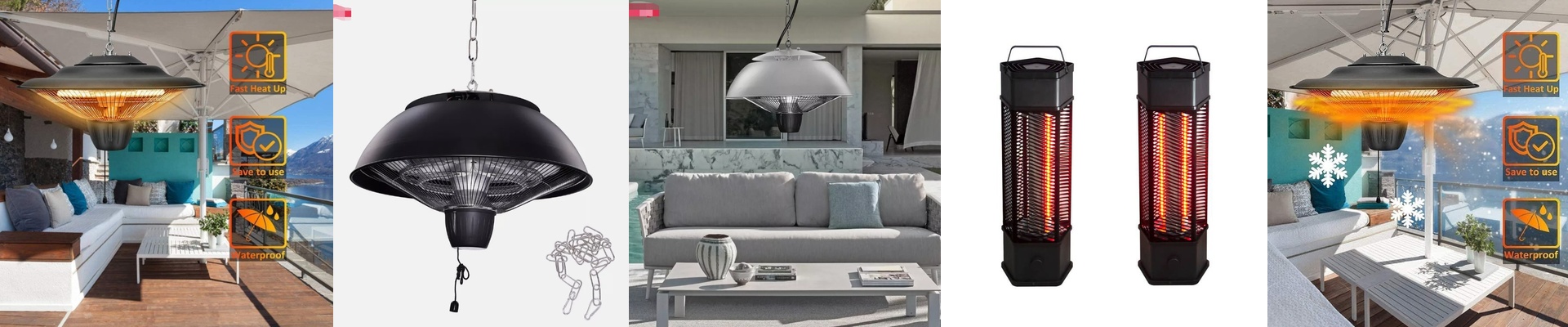
Outdoor infrared heaters have a tough life. They’re stuck outside dealing with freezing rain one minute and a sudden heatwave the next. Most of the time, these heaters fail for two simple reasons: water gets where it shouldn’t, or the lens fogs up. We spent a lot of time figuring out how to stop that from happening.
Stopping the Leaks
Water is the enemy here. Usually, moisture sneaks in through the chassis seams or the terminal block, and once it hits a live electrical contact, it’s game over. You get a short circuit or, if you’re “lucky,” slow corrosion that eats the machine from the inside out. To fix this, we don’t just hope for the best. We use heavy-duty gaskets and sealed cable entries. It keeps the guts of the heater bone-dry, even when the weather gets nasty. It’s the difference between a heater that lasts one season and one that actually lasts for years.
The Fight Against Fog
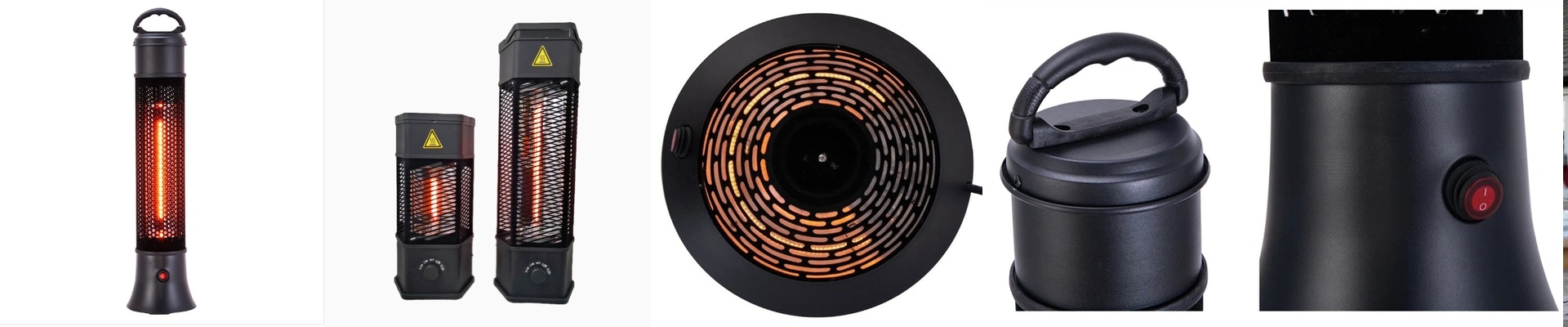
Ever notice how some heaters get that cloudy look on the glass? That’s condensation. When the heater clicks off and the temperature drops, moisture clings to the surface. It’s annoying, but it also blocks the heat from actually reaching you. We handled this by rethinking how air flows around the unit and adding specific surface treatments to manage the dew point. The result? The infrared path stays clear. You get a steady stream of heat without that “foggy window” effect you see on the cheap stuff.
The Trade-offs
Now, look—nothing is free. Adding this kind of sealing and these anti-fog shields makes the unit a bit bulkier. It’s heavier, too. If you’re mounting these, just make sure your brackets can handle the extra weight. And one more thing: these heaters can take a beating in the rain, but they aren’t submarines. Don’t dunk them. You still need to wire them into a proper GFCI breaker so you’re safe if something goes wrong in wet weather. It turns the heater from a flimsy gadget into a piece of gear that can actually survive the elements without burning out.