Getting Heat Right in Extra-Long Glass Tempering Kilns
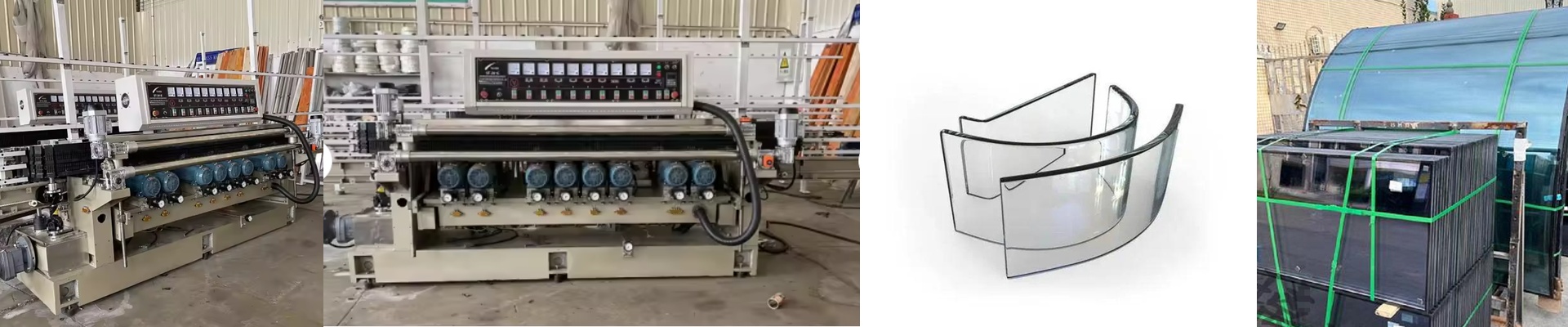
If you’re trying to get a glass sheet several meters wide to heat up evenly, you quickly realize that just throwing more wattage at the problem doesn’t work. The real nightmare in long tunnel kilns is those annoying “cold spots” that pop up between the heating elements. To fix this, we build custom infrared lamp units that stretch over 2 meters. The secret is laying them out in a continuous, overlapping line so the heat never dips.
The struggle with length and power
Here’s the thing: once you go past the 2-meter mark, voltage drop becomes a real pain. If you aren’t careful, the ends of the tube run cooler than the middle, and your temperature consistency goes out the window. We handle this by tweaking the filament density and voltage. It keeps the heat flux steady across the whole length. But a word of warning—these high-wattage, long-form tubes pull a lot of juice. Make sure your power cabinets can actually handle the load, or you’ll be tripping breakers all day.
Making the layout work
We stick with quartz-halogen tech because it reacts fast. But for tunnel kilns, the physical shape of the housing is what actually matters. We use tight-tolerance end caps to kill the “dead space” at the connectors. This lets us mount the lamps end-to-end. If you don’t do this, you get those striped heating patterns. And we all know where that leads: optical distortion or, even worse, the glass just cracking under stress.
A few things to watch out for
These long units are fragile. Seriously. One wrong move or a bump against the kiln frame during install, and that quartz tube is toast. I always suggest using reinforced mounting brackets. It keeps the lamps isolated from the machine’s vibration. Also, be realistic about your goals. If you push for maximum heat density in a 2-meter+ unit, you’re putting a lot of stress on the lamp seals. You have to find that sweet spot between how much heat you need per centimeter and how often you’re willing to climb in there to replace a burnt-out tube.