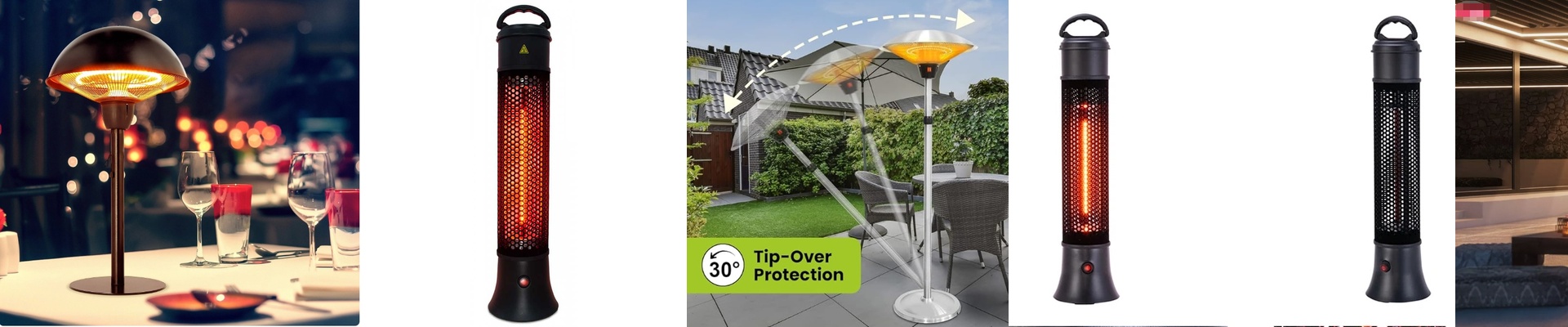
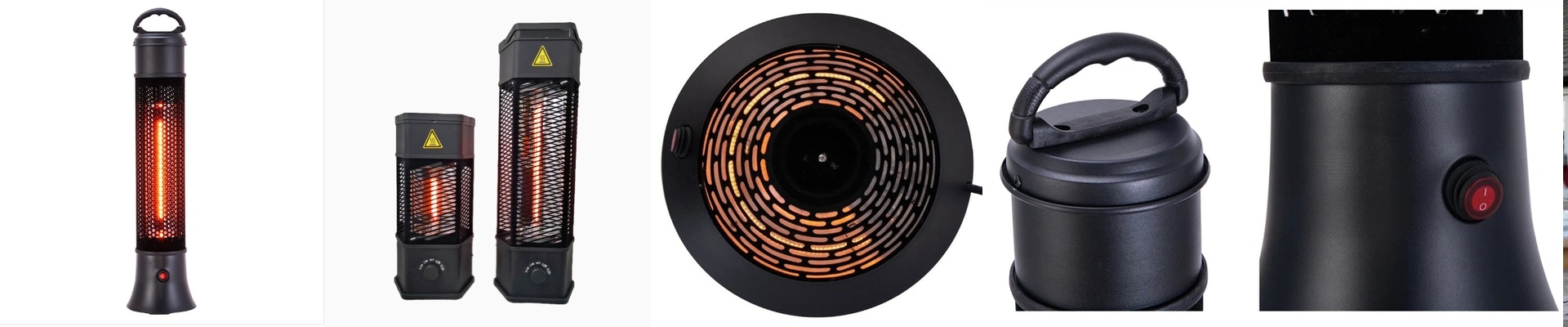


Keeping Your Bathroom Infrared Heaters Safe (and Dry)
Putting an infrared heater in a bathroom is a great way to stay warm, but let’s be honest: steam and electricity are a nightmare pairing. High humidity creates a slippery slope for electrical currents. If your insulation isn’t up to the task, you’re looking at leakage currents or, worse, a total short circuit. The secret is all in the housing and how we seal those connections.
Dealing with Steam
Here’s the thing about moisture: it makes air and surfaces way more conductive than they should be. To stop that from happening, we lean on high-grade ceramic insulators and sealed quartz envelopes. We want a total wall between the live heating element and the grounded chassis. No gaps. No shortcuts. That’s why we use IP-rated enclosures. They stop water vapor from just settling on the terminals. If steam sneaks inside, it can act like a bridge, jumping from the hot lead straight to the casing. And nobody wants that.
Locking Down the Connections
The real danger zone? Right where the wire meets the lamp. That’s where things usually go wrong. To fix this, we use silicone gaskets and heat-shrink sleeves to lock the moisture out completely. While R7s or SK15 connectors are the standard, they need to be recessed and shielded when they’re in a bathroom. **Pro tip:**Use a drip loop in your wiring. It’s a simple little bend in the cable that forces water to drip off the wire instead of sliding right into the electrical junction. It’s a small detail that saves a lot of headaches.
The Balancing Act: Heat vs. Seals
Now, you might think “just seal everything airtight,” but there’s a catch. If you seal the unit too tight to keep the water out, you trap the heat inside. Your electronics will basically cook themselves. It’s a bit of a tug-of-war between the IP rating and the need for airflow. We usually solve this with baffled vents. They let the hot air escape but keep the steam from drifting in. And please, double-check your GFCI settings. Even with the best insulation in the world, a Ground Fault Circuit Interrupter is your safety net. When you’re mixing high-wattage heat with water, you want that last line of defense ready to go.