
Stopping Your Glass from Shattering During Score Line Heating
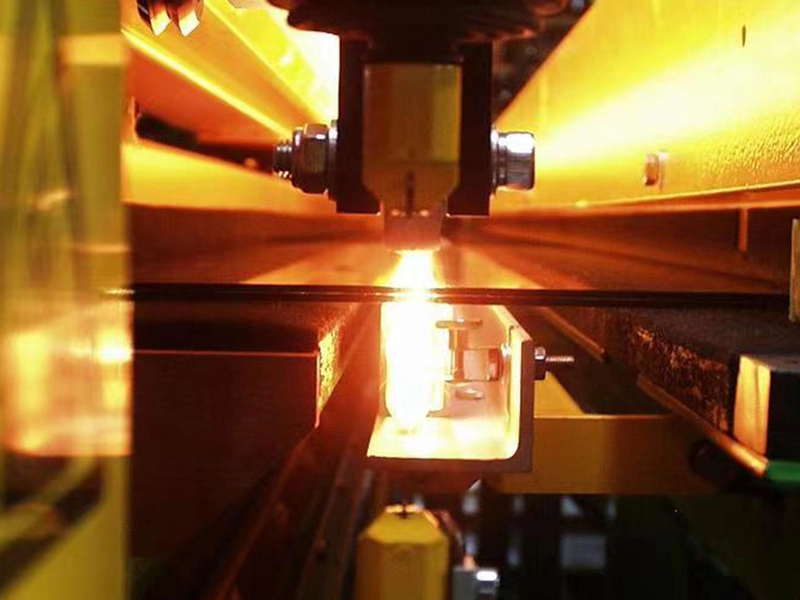
If you’ve ever worked with glassware, you know the nightmare of a piece shattering right when you’re getting close to the finish line. Heating a precise score line isn’t just about cranking up the heat—it’s about control. You need a system that can jump from zero to sixty and back again in a heartbeat, or you’re just asking for trouble. That’s why we stick with shortwave infrared (IR) lamps. They react way faster than any resistive heater we’ve tried.
The Trick to Beating Thermal Shock
Here is the thing: thermal shock happens when the score line gets scorching hot while the rest of the glass is still cold. That tension is what kills the piece. To stop that, we use lamps designed for rapid power shifts. We wire them into a high-frequency SCR or a fast-switching PID controller so we can tweak the wattage in milliseconds. It basically lets you “pulse” the heat. You hit that exact softening point and then back off immediately, so you aren’t accidentally cooking the rest of the material.
The Gear (and the Trade-offs)
We usually go with quartz-halogen tubes. Since quartz can handle insane temperatures without melting, it’s the only way to go. Plus, the shortwave emission actually sinks into the glass rather than just warming up the air around it. But there’s a catch. These lamps pack a huge punch in a small space. While that makes your cycle times lightning fast, it puts a lot of stress on your electrical setup. **Don’t skimp on your cooling fans.**If you’re running a high-wattage array and the airflow is weak, the heat will just creep back into your sockets and wiring. Over time, that’ll fry your connections.
Real-World Tips for the Shop Floor
When you’re wiring these in, double-check that your connectors can actually handle the current. A loose terminal is a disaster waiting to happen—it causes arcing, and before you know it, you’ve burnt out the ends of your lamps. These are pretty easy to swap into most standard IR setups, but keep an eye on your voltage. Spikes in the line will eat your filaments for breakfast. And one last thing:**keep the tubes clean.**A little bit of dust on the quartz might seem harmless, but it creates hot spots. Those hot spots are exactly what cause a tube to fail way before it should.