
Getting Your Mirror Defogging Just Right
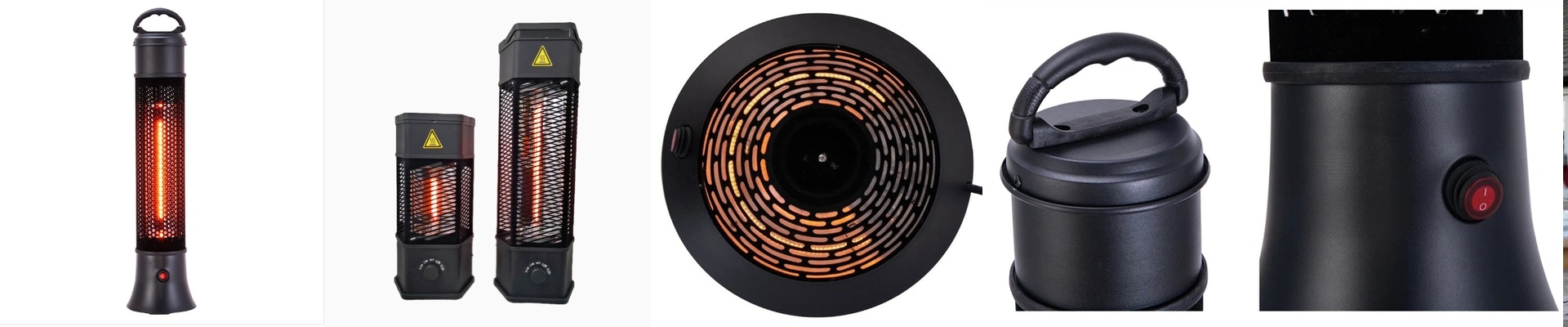
Ever step out of a steaming hot shower and realize you can’t see a thing in the mirror? It’s annoying. To fix that, we use short-wave infrared lamps to keep the glass warm—specifically, just warm enough that the steam doesn’t settle and turn into fog. But here’s the trick: you have to get the power right. Don’t overdo the wattage You can’t just throw the most powerful lamp you can find at the problem. If you’ve got a small vanity mirror, something between 50W and 100W usually does the trick. If you try to cram a 300W lamp behind a tiny piece of glass, you’re asking for trouble. You could actually peel the silver backing right off the mirror. For those massive, wall-to-wall mirrors, don’t just buy one giant heater. That creates “hot spots” where one part of the glass is scorching and the rest is still foggy. Instead, we spread out a few low-wattage lamps. It creates a nice, even curtain of heat. The gear inside We use high-purity quartz glass for these lamps. Why? Because bathrooms are brutal. One minute it’s freezing, the next it’s a sauna. Quartz can handle that constant switching on and off without cracking. Inside, there’s a tungsten filament. We specifically use short-wave IR because it punches through the glass fast. You don’t have to stand there waiting for five minutes; the mirror clears up in seconds. A few things to watch out for during install Water and electricity don’t mix. Period. Make sure you’re using IP-rated enclosures to keep everything dry and safe. Also, keep an eye on your power draw. One mirror is fine. But if you’re fitting out a whole wing of a hotel with ten mirrors, those watts add up fast. You don’t want to trip a breaker every time a few guests take a shower. The easiest fix? Use timers or humidity sensors. That way, the lamps only kick in when they’re actually needed. It saves the bulbs from burning out too early and keeps the electric bill from spiking.