
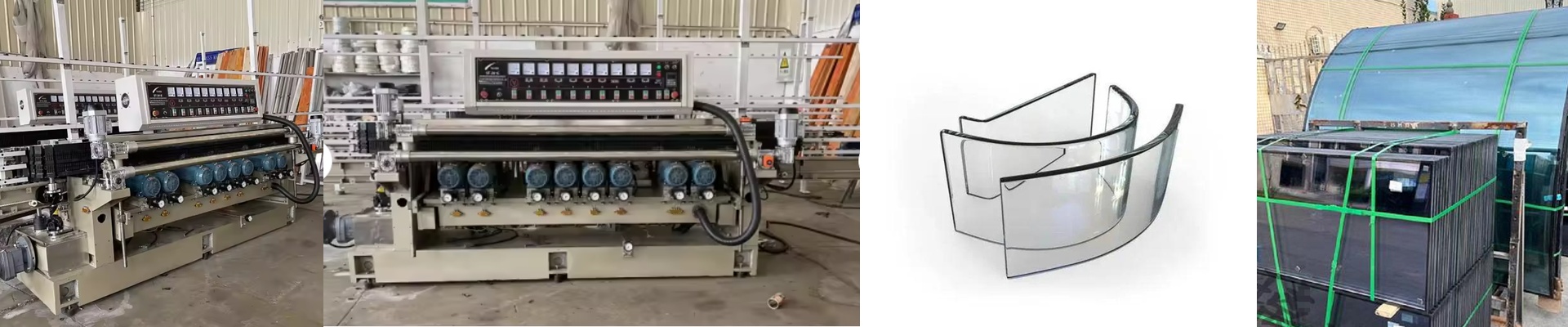
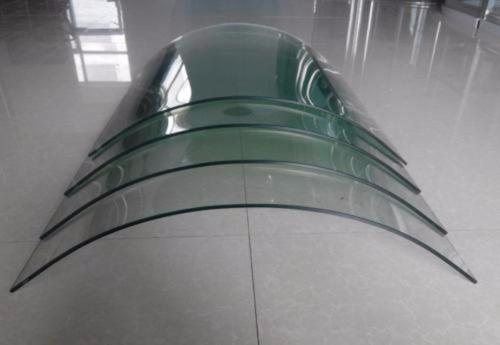
Why Fast-Response Infrared is the Secret to Better Glass Annealing
Let’s be honest: bottlenecks are a nightmare. When you’re moving glass from forming to annealing, the last thing you want is to slow down your entire line because your heat source can’t keep up. You need something that hits the target temperature right now—and can dial it back just as quickly. That’s where clear quartz infrared tubes come in. The problem with old-school heaters Standard resistive heaters are just too bulky. They have way too much “thermal mass,” which is a fancy way of saying they’re slow. They lag. Clear quartz is different. It lets shortwave radiation fly right through the tube without getting soaked up along the way. The energy hits the glass surface almost instantly. It’s fast. Really fast. And that means your conveyor keeps moving at full speed instead of crawling along while you wait for the oven to wake up. Why the material actually matters You might wonder why we don’t just use borosilicate or regular glass tubes. Simple: they can’t handle the heat. Clear quartz doesn’t warp or freak out when things get intense. Plus, because the tube is clear, you get the most out of that shortwave IR. This kind of heat doesn’t just sit on the surface; it actually gets into the core of the glass. You get a proper anneal without accidentally frying the outside of your piece. Getting it into your system The good news is that these tubes usually slide right into most inline systems without a fuss. Pair them with some fast-switching controllers, and you’ve got a setup that keeps your temperatures exactly where they need to be. But here’s the catch. All that high-intensity heat has to go somewhere. If your housing is flimsy or your cooling fans are weak, you’re going to cook your sensors and melt your wiring. You’ve got to make sure your shielding is up to the task. If you don’t balance that heat density with a solid machine footprint, you’ll be replacing expensive components a lot sooner than you’d like.