
Introduction
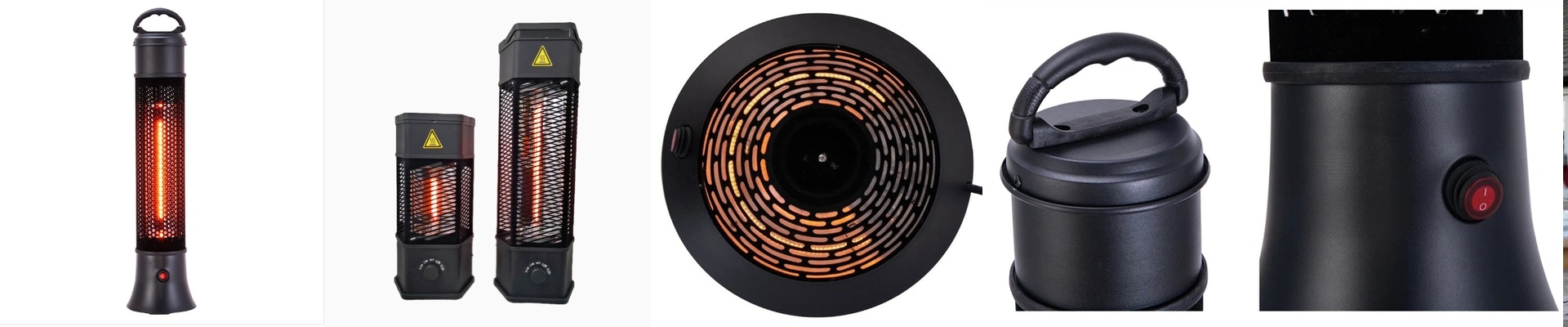
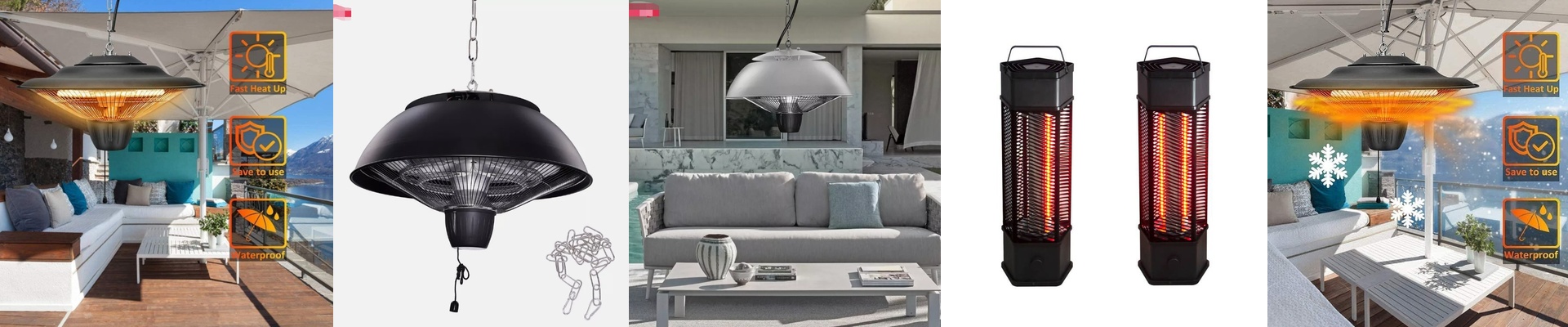
We built this wall-mount infrared heater for pub gardens—the kind of place that throws everything at you: damp nights, sudden temperature swings, and more than a little weather. Here’s the heart of it: a halogen infrared tube that throws off direct radiant heat, warming people and surfaces without wasting time heating the air around them. But the real challenge? Making it last. Because moisture and fog will kill a lamp fast. So we sealed the optics and locked down the electrical connection, creating a unit that can handle semi-exposed outdoor life without whining.
Technical Deep-Dive
This heater is all about high output in a tidy package. It’s sized to cover outdoor seating without turning the wall into a forest of hardware. It runs on standard industrial voltages, packing serious heat density into a compact tube. That’s intentional. You need a strong radiant punch to reach people across windy, open spaces—but you also need something that mounts cleanly and stays steady. We matched the wattage and voltage to the tube geometry so the filament stays within its rated comfort zone, which eases the stress of cold starts.
Material & Design
The tube itself is a halogen-filled quartz envelope, chosen because it handles rapid temperature changes without throwing in the towel. And that inner halogen cycle keeps the envelope cleaner over time, so the output doesn’t fade as the lamp ages. For outdoor use, the front optic is sealed tight against moisture. We also built in anti-fog measures so the reflector and lens stay clear when the air gets tricky. The connector interface clicks in with a solid, tool-free lock—no wiggle, no arcing, just a clean connection you can trust. The whole build is aimed at a high protection rating, so light rain and splashes don’t translate into early failure.
Application & Benefits
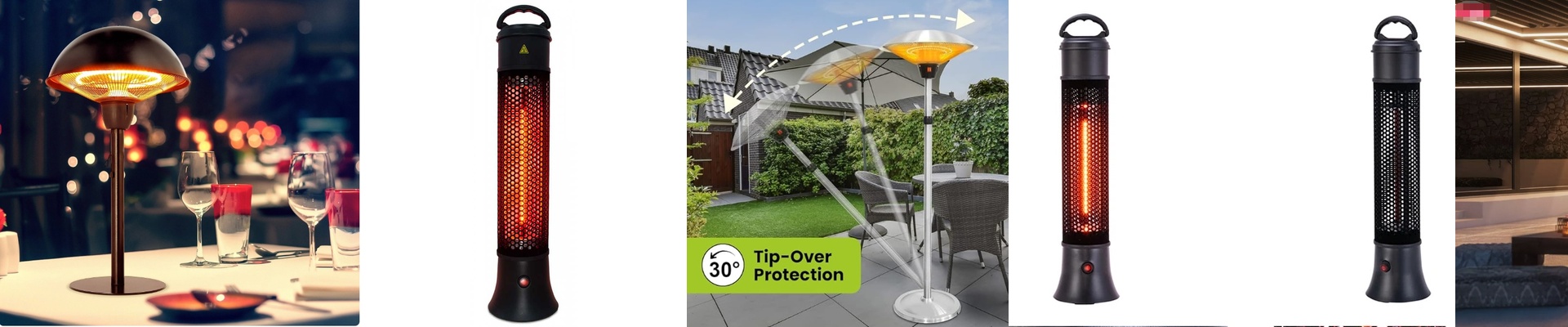
In a pub garden, this thing has to perform like factory gear in a hospitality setting. It warms people and surfaces immediately, with minimal air movement—so you don’t get that drafty swirl that stirs up cigarette smoke or ruffles seating areas. Because it’s sealed and fog-resistant, it cuts down on maintenance calls and stretches service intervals, even when humidity and temperature swings are part of the daily routine. Now, a quick reality check: that high heat density means the mounting spot and nearby materials need to be rated for higher temperatures. And the electrical circuit should be sized to handle the inrush at startup.
Reality Check
A 400V, 2500W tube delivers a lot of heat in a small footprint. That means your machine’s cooling system needs to be properly spec’d for the extra ambient temperature it’ll face.