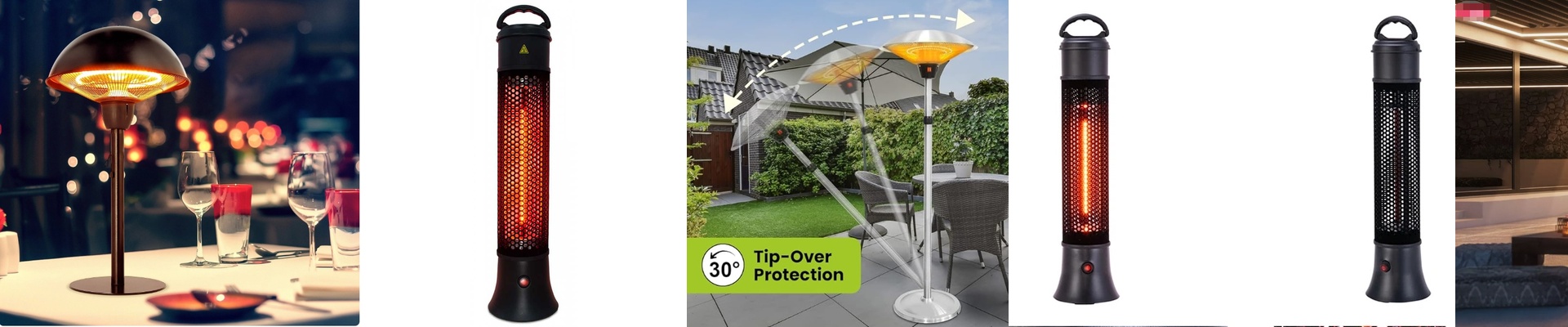



Cold floors aren’t just uncomfortable—they pull heat right out of you, slow circulation, and turn an evening at home into a tug-of-war with blankets and space heaters. A foot warmer heater flips that script by putting radiant warmth where you feel it most: underfoot. No more chasing heat around the room—just steady, localized comfort.
What matters, technically
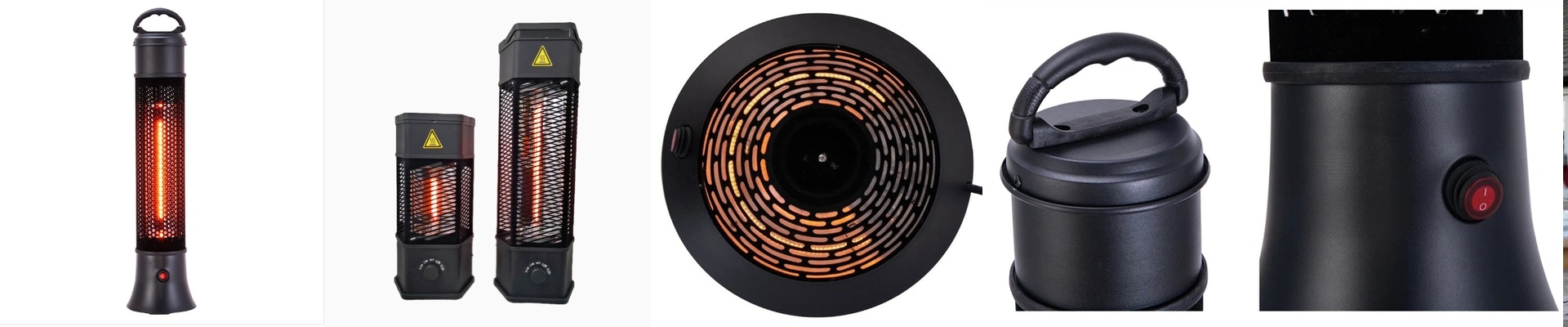
Infrared warmth targets the feet with direct radiant heat, warming people first instead of heating the air. Inside, you’ll usually find either a quartz tube or a carbon fiber element. Either way, you get gentle, even infrared output with fast response—surface temperatures climb to a comfortable range in minutes. Most units are built for low-noise operation, and safety isn’t an afterthought: tip-over protection and an overheat cutoff are standard. For home use, power ratings stay practical, you get a standard 120V plug, and the footprint is compact enough to slip under a desk, chair, or entryway bench.
Why this approach makes sense
This is heating that works with how homes actually feel. Infrared doesn’t rely on blasting hot air, so you avoid the dryness and drafts that come with forced-air heat. The payoff is steady comfort that supports circulation, helps feet and legs relax, and makes winter evenings feel calm instead of constantly chilly. For households focused on wellness, it’s a straightforward way to protect day-to-day comfort—especially for anyone who spends long hours standing, working at a desk, or coming in from the cold.
The things to get right
Placement matters. Put the foot warmer where your feet naturally rest, and leave enough clearance for airflow. It performs best in covered indoor areas. Many units are built solid, but direct rain or snow exposure can reach the electrical components. Outdoor use? Keep it to protected, fully sheltered spots only. And keep outlet and cord management sensible—don’t run cords under rugs or furniture where heat can build up.