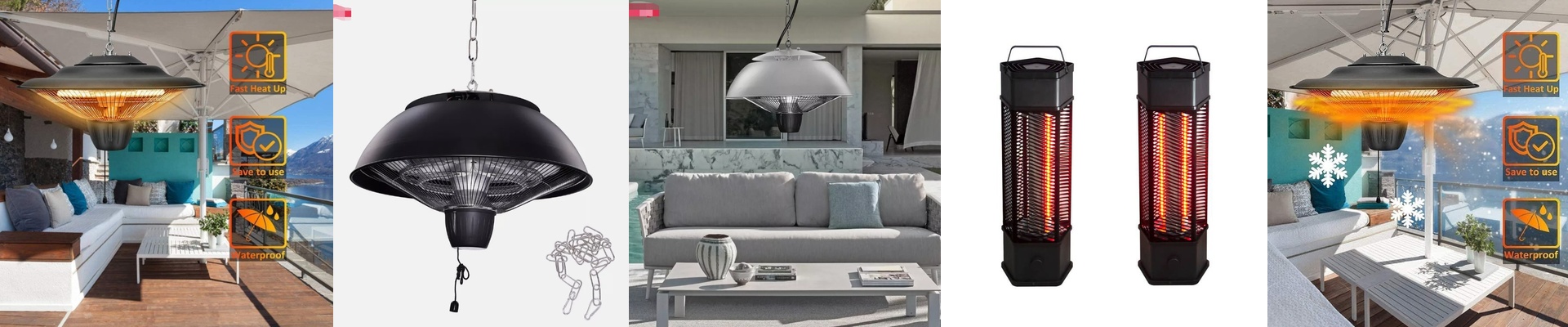
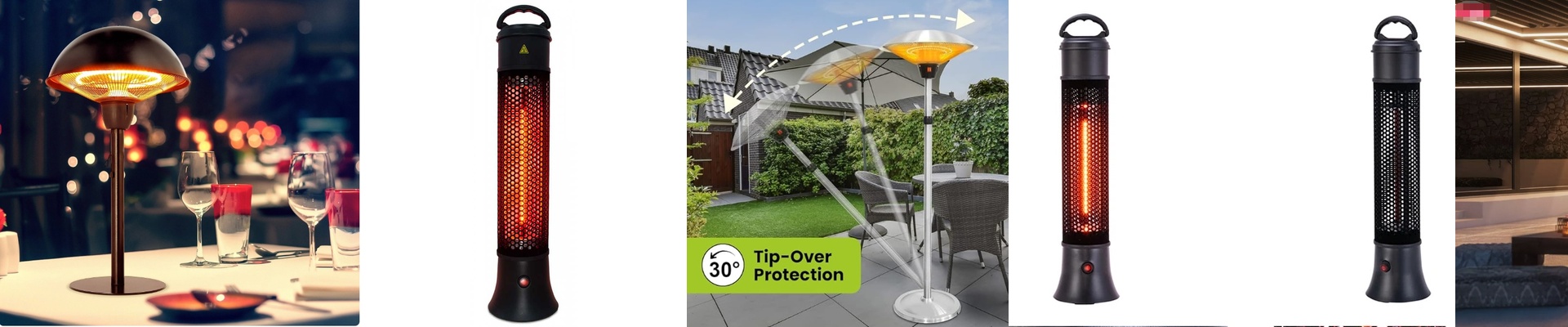
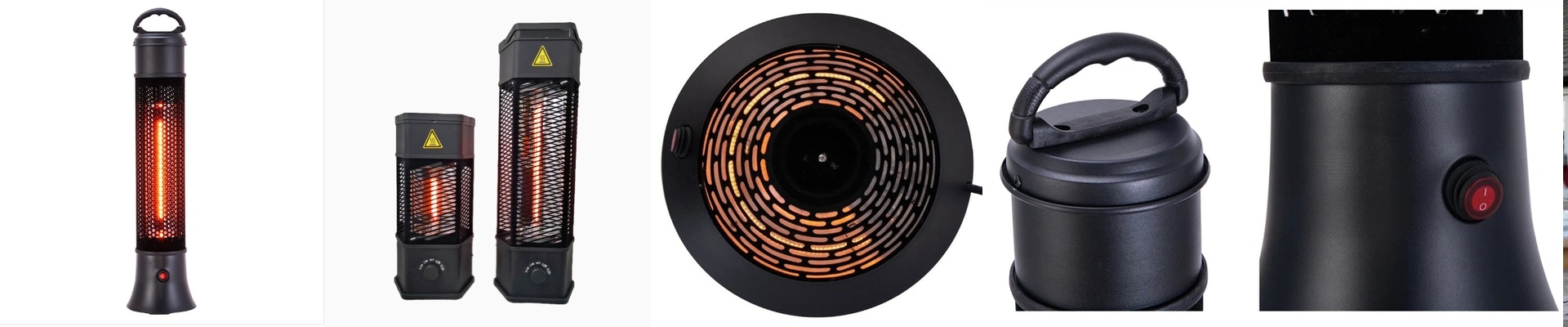

On a winter evening, the living room air settles cold and still, and you can see the older folks reaching for another layer. Forced-air heaters stir up dust and swing the temperature hard—one minute they’re chilled, the next they’re overheated. Infrared space heaters take a different approach: radiant warmth that heats people and surfaces directly, without churning air all over the place.
What actually matters, technically
Infrared heaters put out long-wave radiant heat—the kind you feel as a steady, even warmth. We typically run a carbon fiber element or a quartz tube to deliver consistent infrared output, and pair it with a thermostat for stable temperature control. You get quiet operation and warmth right where you need it, without the noise and drafts that come with fan-driven electric heaters.
Why this works for older adults
Comfort here is more than comfort—it supports steady circulation and relaxed muscles. Radiant heat helps maintain a stable microclimate around the body, so you don’t get that sudden chill that follows a blast of hot air. That gentle, draft-free warmth encourages blood flow to the extremities and takes the edge off the stress that temperature swings can put on the cardiovascular system. In practice? Fewer blankets, fewer drafts, and a calmer evening for everyone.
The things you really need to know
Infrared warmth shines in smaller, well-insulated spaces where the heat beam can reach the intended seat or bed. It warms people and objects directly, so you can feel comfortable at a lower ambient temperature than you would with convection heating. Plan placement up front, keep the heater a safe distance from curtains or furniture, and stick with a model that has tip-over protection and overheat protection. For whole-room heating, you may still need a secondary system, but for targeted, gentle comfort, infrared is hard to beat.