
Let’s talk about how these heaters actually work.
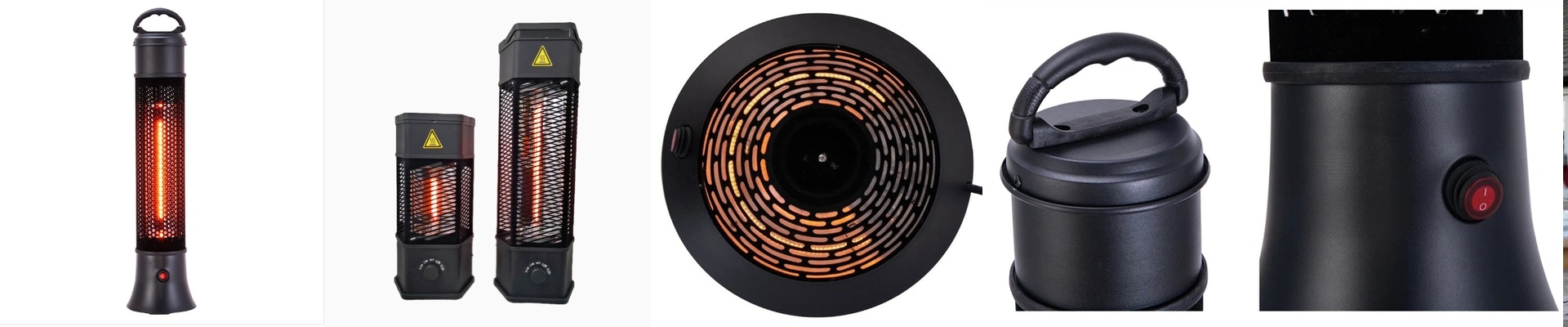
We built these commercial infrared heaters for a very specific reason: to give hotel rooms and spas the kind of warmth that hits you right where you need it. Here’s the heart of it. We’re talking about 2500W to 3000W, running on 220V–240V. That power is packed into a surprisingly compact tube. The result? High heat density. It gets hot fast. And it stays hot, giving off a steady stream of infrared warmth. You get that immediate comfort without tripping any circuits. The tube is only about 300mm long. That small footprint means you can mount the unit right where the heat is needed most, without taking up a ton of space.
What’s inside, and why it matters.
Inside that tough quartz tube, you’ll find a halogen heating element. The quartz is key—it can take the sudden shock of heating up and cooling down, over and over, without breaking a sweat. That means the heat output stays consistent, no matter how many times you turn it on and off. And we didn’t just stop there. The inside of the tube has a reflective coating that acts like a spotlight, pushing all that infrared energy forward. More warmth where you want it, less wasted to the sides. Then there’s the R7s connector. It’s a simple, two-pin setup that fits perfectly. Wiring is a breeze, and the connection stays tight—no worries about it coming loose, even when the equipment is running for hours on end.
The feeling you get in a hotel room or spa.
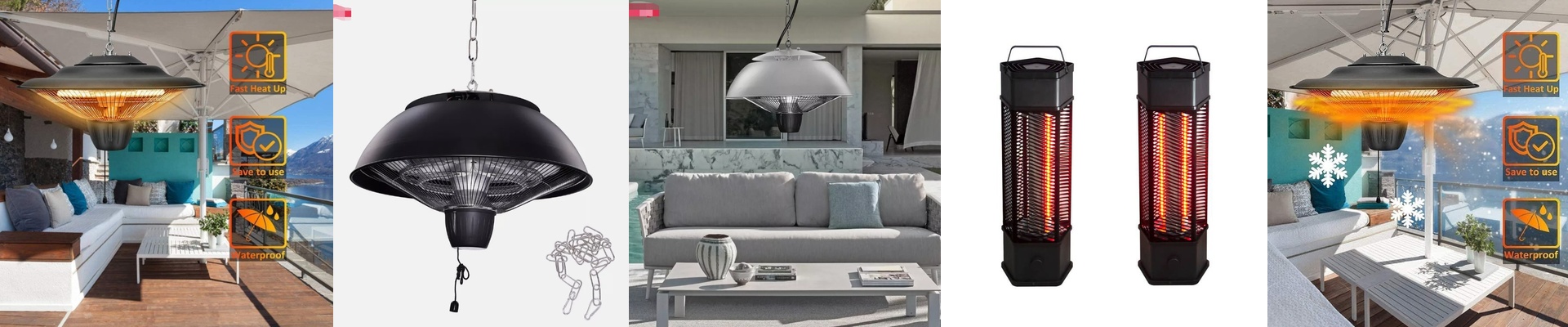
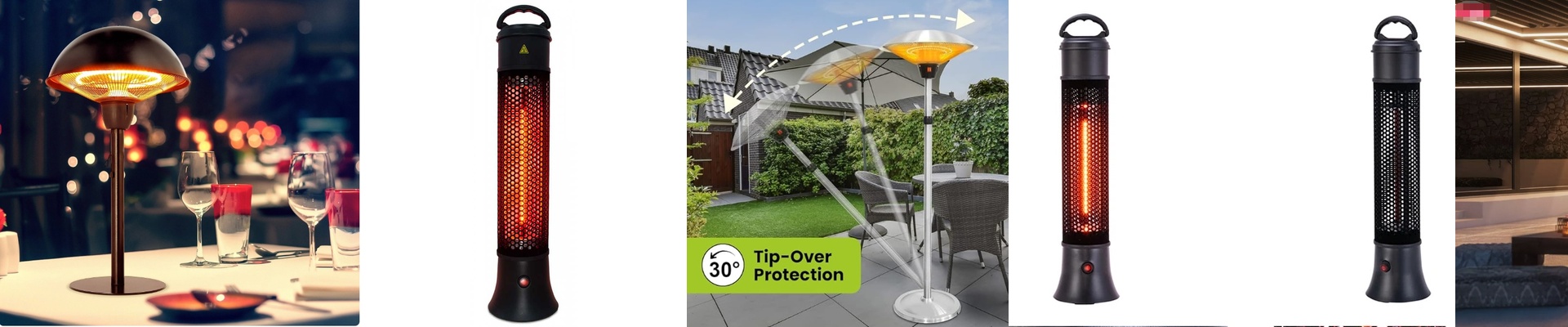
What you’re really after is that perfect mix of reliable heat and a deeply soothing, therapeutic feel. Infrared heat is special. It doesn’t waste time heating up all the air in the room. It goes straight to warming people and surfaces. So you feel that warmth almost instantly, even if the room has a bit of a draft. You can actually keep the overall air temperature lower and still feel perfectly comfortable. And for therapy sessions, that gentle, focused heat is exactly what you need to help muscles relax. Now, because the heat is so concentrated, you do need to plan a little. A bit of controlled airflow and the right spacing is important. Just make sure your layout directs the heat where you want it, so you don’t end up with hot spots or overheated surfaces.
For the people who actually have to install and maintain them.
For engineers and facility teams, this is a solution that makes life easier. It’s straightforward to wire. It’s simple to keep up and running. And it’s built to handle the long hours of commercial use, day after day, without skipping a beat.