
A nursery should feel like a quiet, steady space. The problem is, a lot of heaters turn it into a noisy, drying box. You need warmth that doesn’t roar, doesn’t kick up dust, and doesn’t pull oxygen out of the room. That’s why a plug-in infrared heater is the practical call when a baby is sleeping nearby.
What matters under the hood
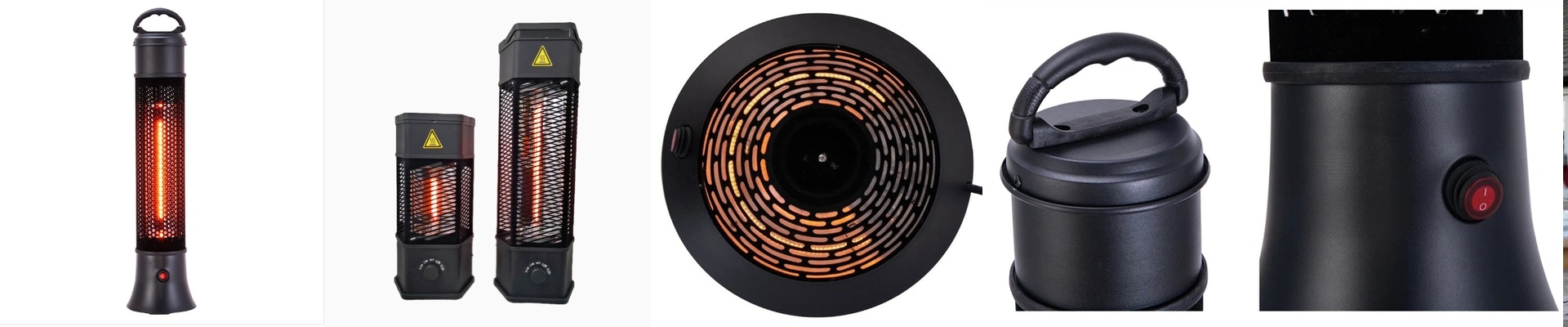
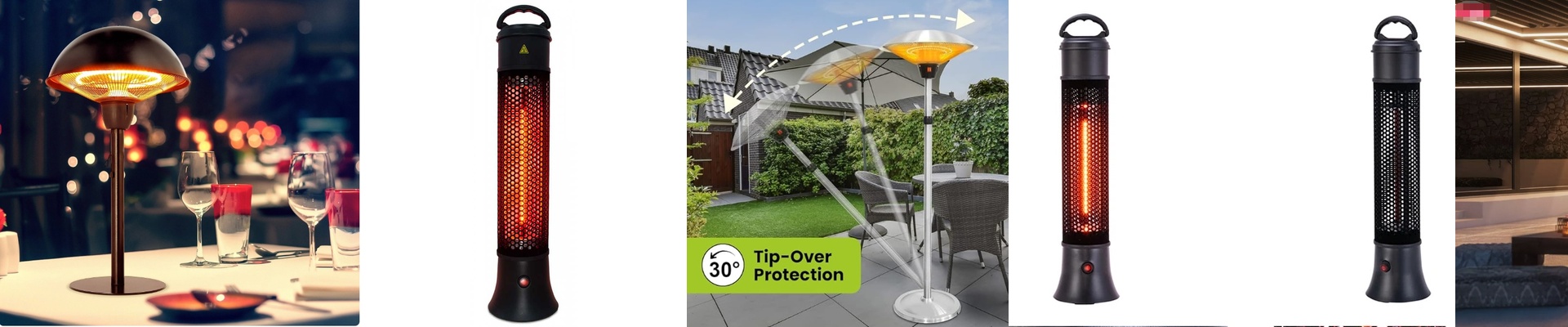
We built this around radiant infrared warmth, using a carbon fiber element that comes up to temperature almost instantly. The core idea is straightforward: it heats people and objects directly, instead of wasting time trying to warm the air first. No fan. No combustion. No oxygen consumption. Just quiet, directional heat. Plug it into a standard outlet, set the thermostat, and it holds a small, consistent comfort zone without the drafts that dry skin out. For safety, it has tip-over protection and a cool-touch housing. And it runs quietly—well below the level that tends to startle light sleepers.
Why this works in a nursery
In a nursery, the risk isn’t just cold—it’s disruption. Forced-air heaters can cycle on and off loudly, and many pull moisture from the air, leaving a baby’s nose and throat feeling irritated. This infrared heater keeps the room comfortably warm without stirring up air currents, so conditions stay more stable. Parents like the immediate response, too: step in for a late-night check, and the warmth is there within seconds. And because it doesn’t consume oxygen, you can run it through the night with more peace of mind.
What to keep in mind
This is focused heat, not a whole-home solution. Place it where you actually spend time—near the crib, glider, or changing station—and aim it toward the seating area for the best effect. It needs a dedicated outlet and proper clearance from bedding or curtains. Pair it with a room thermometer so you don’t overshoot. In colder homes, you may still want a secondary background heat source to keep the overall space from going too far down.