

Why we put every single heater through the wringer
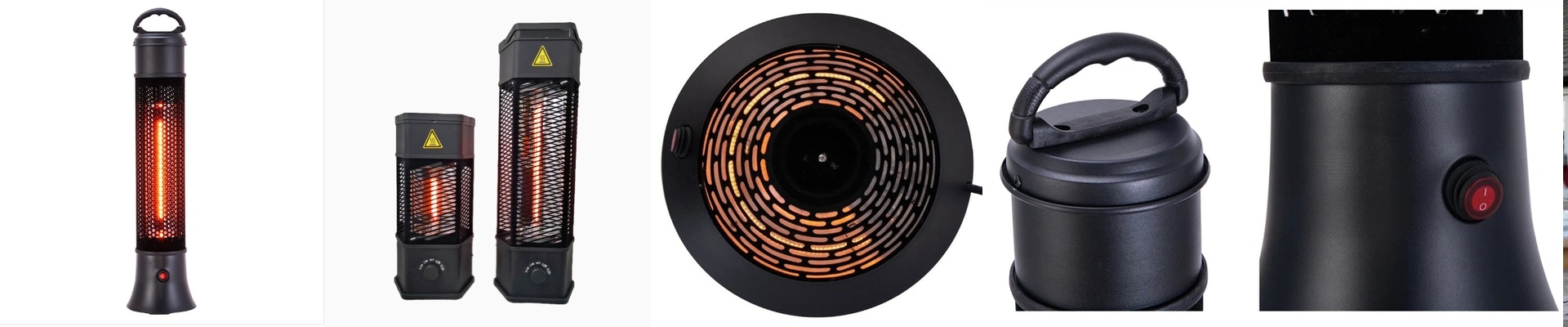
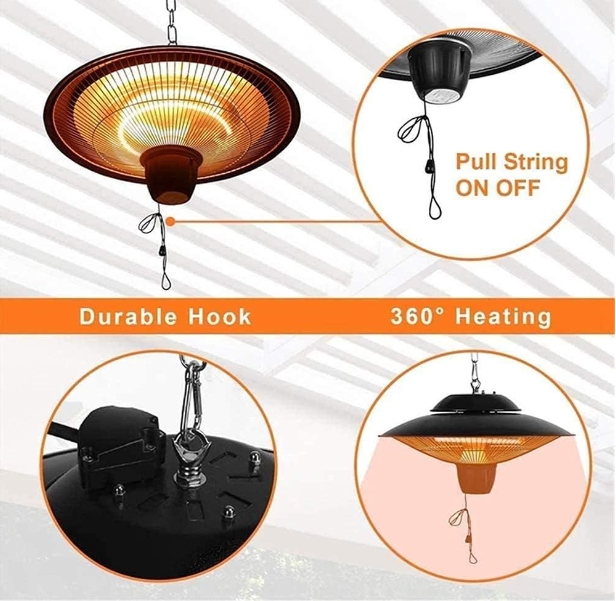
We don’t build electric radiant floor heaters for fancy showrooms. These are built for the plant floor. The kind of place that chews equipment up and spits it out. So before any infrared heater leaves our shop, it goes through a full-power aging burn-in. Every. Single. One. This isn’t a checkbox. It’s how we keep your line running.
What that test actually does
Spec sheets list voltage and wattage, sure. But numbers on a page don’t tell you how a heater performs when the heat is on. So we flip the switch to max. We push the unit under serious thermal and electrical stress, mimicking years of peak demand in a short time. It’s how we catch the weak spots early—the shaky joints, the uneven filaments, the parts that are just barely good enough. We find them here. Not on your production floor.
The whole system has to hold together
It’s not just the halogen heating element. Or the quartz envelope. Or the connectors. It’s all of it, working as one. During aging, we watch resistance drift, we watch how the unit cycles with heat, and we make sure every connection stays rock solid. If a connector can’t hold tight when things get hot, it’ll loosen inside your machine. If the element can’t keep a steady resistance, output starts to wander. We catch that in-house. So you don’t have to.
Because downtime is brutal
In industrial heating, a failed heater doesn’t just mean a cold floor. It stops production. Wastes energy. Creates safety headaches. Our aging test knocks down field failures and keeps maintenance predictable. Yes, it costs us—more power, more time on the line. We accept that. Because the alternative is shipping units that might die on day one. For you, it means fewer surprises. Fewer panic calls. And a heater that feels the same on day 1000 as it did on day one.