Introduction
Picture this: you’re in an art gallery or a museum, and keeping the temperature just right isn’t just a preference—it’s absolutely critical. That’s exactly why we built our WiFi-enabled infrared heaters. They’re designed to give you precise, targeted warmth without putting your delicate artifacts at risk. The whole idea is simple: warm the space where you need it, without messing with the air or creating humidity swings. We use shortwave infrared technology, which basically means the heat goes straight to the objects and surfaces, completely skipping the air in between.
The Tech Behind It
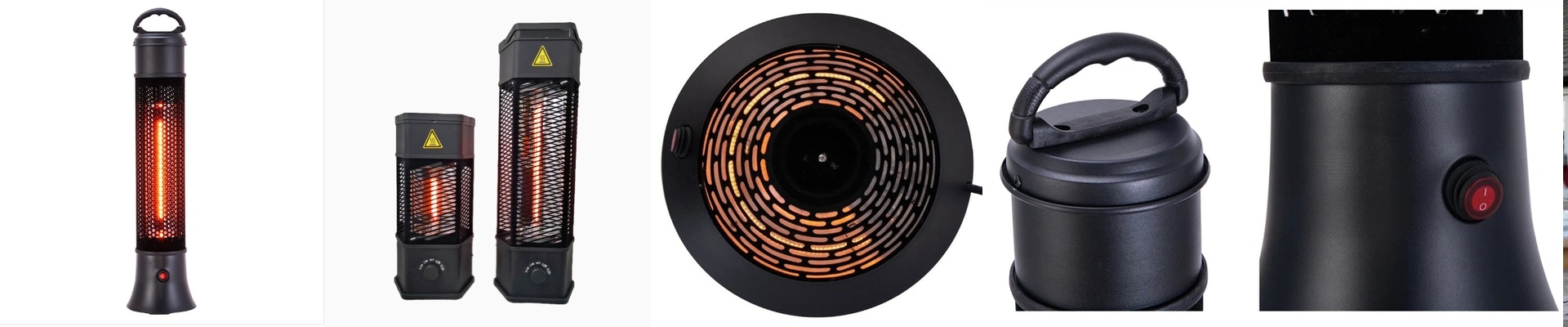
At the heart of it all is a shortwave infrared emitter. It shoots out a high-density heat beam that you can control. Instead of heating the whole room, you can create a steady microclimate around one specific exhibit. And it gets better. We built in WiFi control, so you can set the temperature and schedule everything from your phone. It takes human error out of the equation, so you never have to worry about accidental overheating. When you need to hold a steady 20°C within a tiny half-degree margin, this level of control is exactly what gives you peace of mind.
The Build
We went all-in on the materials. The emitter runs inside a tough quartz envelope, because it can handle rapid heating and cooling without cracking. Inside, a halogen element keeps the output steady and lasts a long time. It also keeps the light spectrum stable, so there’s no weird color cast messing with the gallery lighting. The R7s base is there for one reason: it creates a rock-solid electrical connection that can handle high heat at the socket without breaking down. We designed the whole thing to take the daily grind of being switched on and off, day after day.
What It’s Like in Practice
Here’s the best part: you get localized heating that barely takes up any space. You can aim the beam right at a canvas or a sculpture, warming it directly while the air around it stays calm. That means you use less energy, and you don’t stir up dust with convection currents—a huge win for keeping sensitive surfaces clean. But there is one thing to keep in mind. The heat is concentrated, so you need to plan the load carefully. Match the heater’s power to the room’s thermal mass, and make sure your electrical circuit can handle the peak draw without tripping a breaker.