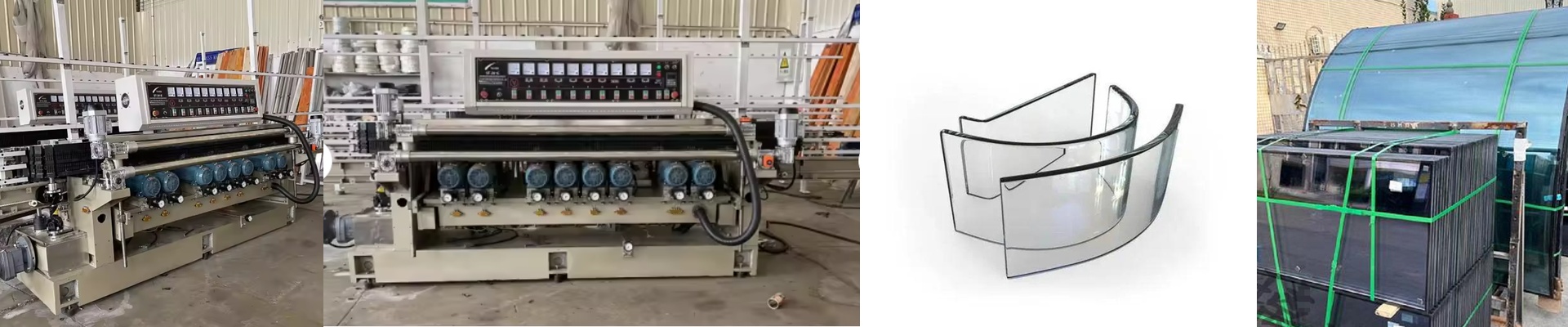
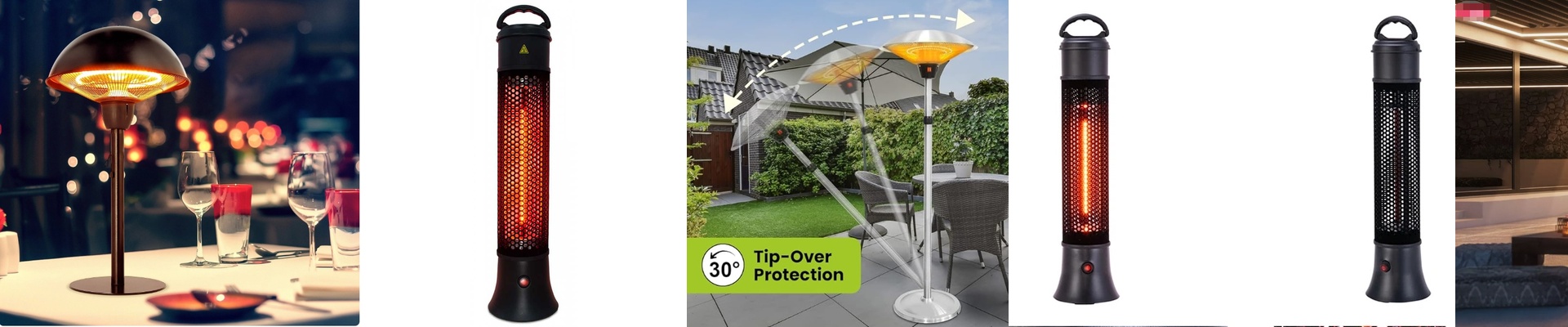

When the heating module goes down, the whole line stops—tempering, bending, lamination, all of it. Glass sits idle, thermal profiles drift, and the scrap pile starts to grow. We built the heater housing out of stainless for one reason: keep the heat stable, shift after shift.
What actually matters under the hood
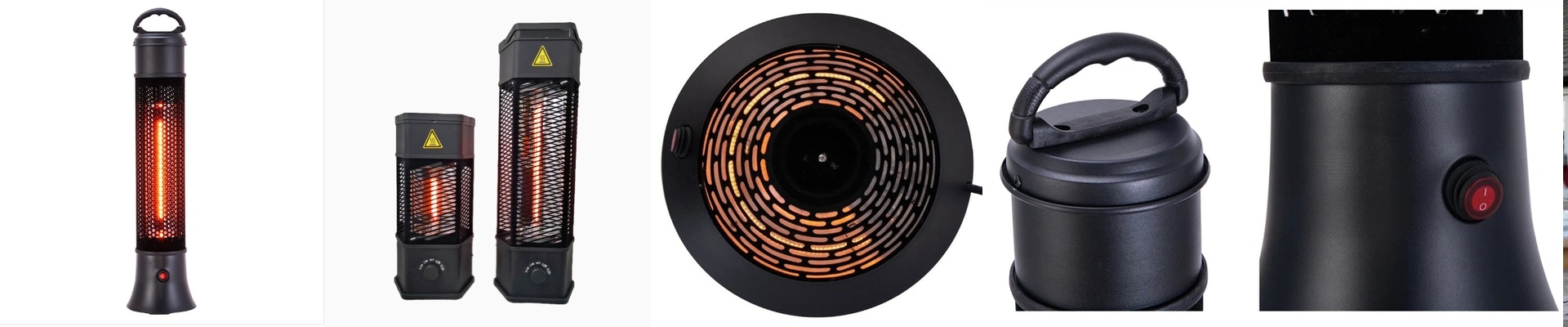
We use 304 or 316L stainless for the housing. It holds up against oxidation, cleaning chemicals, and the constant thermal cycling we live with on the floor. Inside, quartz or medium-wave elements give you fast response and even radiant output. The unit matches standard voltages and power densities to OEM footprints, so it drops into existing frames without redesigning the bay. Terminals and connectors are spec’d for high current and repeated maintenance, and the geometry is set up to keep the thermal field even across the glass. That evenness—consistent emissivity and stable temperature—keeps glass stress low and repeatability high.
Why this matters where the work happens
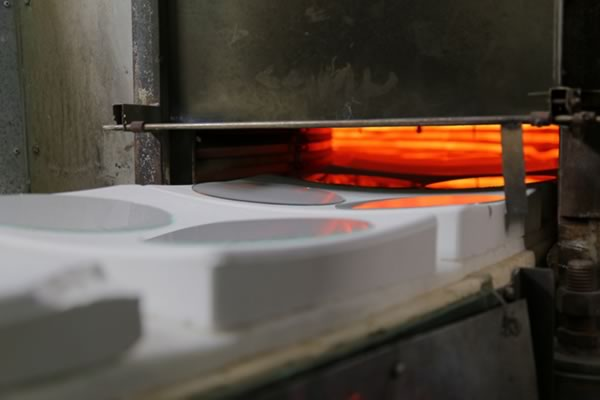
On the tempering line, uniform heat across the pane cuts down optical distortion and keeps thermal stress fractures from showing up at the end. In lamination, predictable ramp-up shortens dwell without starving the adhesive, so you protect optical clarity and shear strength. For insulating glass sealing, stable heat at the secondary seal interface gives you consistent adhesion, which means less rework. The stainless housing also runs cooler on the outside, so operators are safer and you don’t get unwanted convection near the glass. The result is faster cycle recovery, fewer rejects, and lower kWh per piece.
The field notes you’ll thank yourself for later
These housings fit most press and oven bays, but still double-check mounting tolerances and clearance to the glass path. Element life depends on line voltage stability and how often you hit it with thermal shock—keep voltage within ±5% and avoid rapid on/off cycling. If you’re using this for coating drying, match the spectral output to the coating’s absorption band so you don’t overheat the film. And plan routine inspections of insulation and terminals—preventive checks keep uptime high and downtime short.