

Stopping Glass from Shattering During Tempering
Tempering glassware is a bit of a balancing act. You need to get the heat in there fast, but if you go too hard too quickly? Everything cracks. Then you’ve got a mess on your hands and a wasted batch. But if you play it too safe and slow things down, your production numbers tank. We solve this with long-life infrared heating tubes. The secret isn’t just the heat—it’s how fast we can dial that heat up or down to keep the glass from going into shock.
Getting the Power Just Right
To keep your glass intact, you can’t just flip a switch to “on” and hope for the best. You need to be able to tweak the heat flux on the fly. We use short-wave IR because it punches through the glass surface much faster than the long-wave stuff. But since it’s so powerful, you need a way to throttle it. That’s where SCR or PWM controls come in. Think of it like a dimmer switch for your heat. By adjusting the voltage, you control exactly how hot the filament gets. If a sensor picks up a temperature spike, the system drops the power in a millisecond. It stops the glass from taking a beating during that first critical heat-up phase.
Built to Actually Last
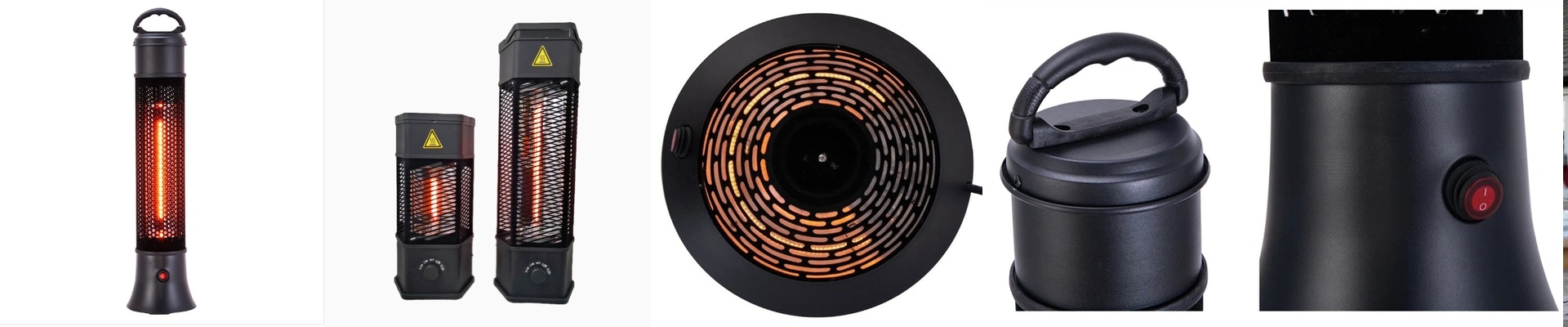
Nobody wants to spend their weekend swapping out lamps. That’s why we use high-purity quartz and fill the tubes with halogen gas. The halogen cycle does something clever: it stops the tungsten filament from evaporating too quickly. This keeps your wattage steady for thousands of hours. It’s a “set it and forget it” kind of deal. We also keep the footprint tight so the heat hits exactly where the glass sits, and we beef up the ends of the tubes. High-current loads can be brutal, and reinforced ends mean your connections won’t just burn out.
The Reality Check
Here’s the thing: high-wattage IR tubes pack a massive punch. That’s great for your speed, but it’s a lot for your electrical cabinet to handle. You’ve got to make sure your wiring and cooling fans are actually up to the task. If your airflow is garbage, your control electronics are going to trip and shut everything down—no matter how fancy the tubes are. It’s all about the ecosystem. Get the airflow right, and the rest just works.