
Introduction
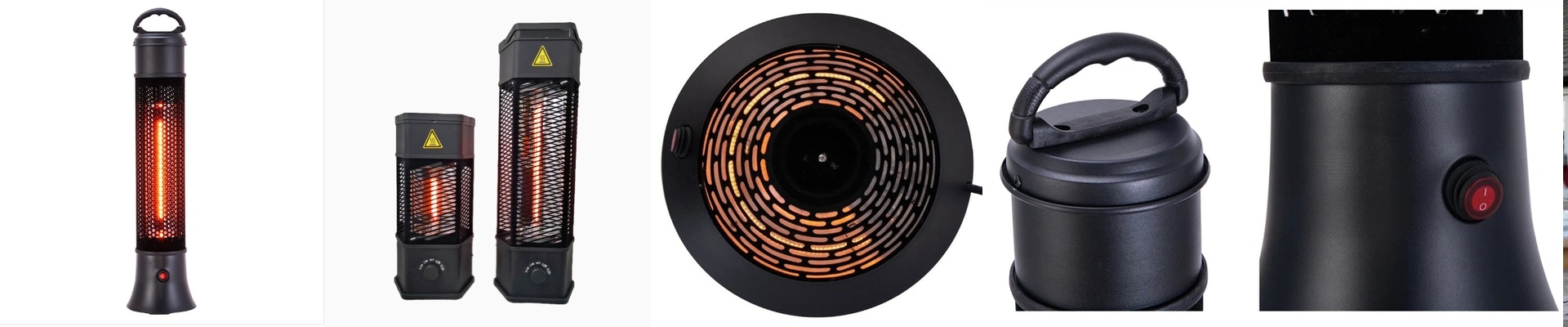
Let’s cut to the chase. We built this infrared heater for engineers who crave certainty. You know the feeling—when you need heat that lands exactly where you want it, with no guesswork. Our aim was simple: turn almost all the electricity you feed it into pure, usable radiant heat. And that 99.8% figure? It’s not a slogan. It’s the result of obsessively streamlining the energy path and cutting out waste.
Technical Deep-Dive
At the heart of it is a shortwave halogen lamp, tuned to run at a precise voltage and power to hit that sweet spot of heat density. The science is pretty straightforward: crank up the filament temperature, and the light spectrum shifts toward shorter wavelengths. Those are the ones industrial materials soak up like a sponge. That 99.8% number? It basically means almost nothing is wasted on heating the air, unlike old-school convection heaters. In practice, we matched the power and voltage to the lamp’s geometry so the filament runs at its ideal temperature—without burning out early. The tube’s length and diameter were chosen to create a consistent, predictable radiant footprint. So you get a reliable hot zone, every single time. That makes it easy to slot this heater into your line without overhauling the whole setup.
Material & Design
The quartz tube can take the extreme heat and keeps everything stable. Inside, the halogen gas fights off filament evaporation, which keeps the output steady and consistent over the long haul. We also added a special coating to the tube to help focus the spectrum and cut down on unwanted convective heat. The result? More energy goes straight into the radiant band where you need it. And the R7s connector? Totally intentional. It gives you solid mechanical support and a reliable electrical connection, even in tight, high-temp spots. Plus, it makes for a quick, easy drop-in replacement. It’s one of those small details that keeps your production line moving and downtime to a minimum.
Application & Benefits
This setup is for industrial jobs where heat needs to hit fast and be absorbed instantly—think curing, drying, or focused heating. Because it’s so radiant, you’re heating the actual target, not the air around it. But here’s the reality: that intense heat density means you need proper cooling and clearance. Plan your airflow and mounting distances ahead of time, or you’ll risk cooking the components nearby. Choose this heater when you need heat you can count on, predictable coverage, and an install that doesn’t give you a headache.